Dhaka 2:14 am, Thursday, 25 June 2026

Will Iran’s government be able to manage the current protests?

Staff Correspondent :
  • Update Time : 07:54:03 pm, Friday, 9 January 2026
  • / 256 Time View

Protests are spreading rapidly across Iran, while international pressure on the country continues to increase. In this environment, the Islamic Republic’s religious leadership is struggling to address the growing crisis of public trust in the government.

The demonstrations, which began last month in Tehran, have now reached all 31 provinces of Iran. However, the scale of the current protests has not yet matched that of the 2022 demonstrations following the death of Mahsa Amini, who died while in custody after allegedly violating the country’s mandatory hijab rules.

The latest wave of unrest began when merchants at Tehran’s Grand Bazaar protested against the sharp depreciation of the Iranian rial. The movement has since drawn in a broader section of society, particularly young people, although women and teenagers who were prominent in the 2022 protests are less visible this time.

According to the U.S.-based news outlet Human Rights Activists News Agency (HRANA), at least 34 protesters and four security personnel have been killed since the unrest began, and around 2,200 people have been arrested. Analysts say these events highlight widespread frustration with the country’s existing political system.

A former senior official in the reformist branch of Iran’s ruling establishment told Reuters that policies ranging from enforcing dress codes to decisions on foreign policy—central pillars of the Islamic Republic’s ideology—are largely unacceptable to Iranians under 30, who make up nearly half of the nation’s population.

Alex Vatanka, director of the Iran program at the Washington-based Middle East Institute, said: “This is not just a collapse of the rial; it is also a collapse of trust.”

Iranian authorities are reportedly employing a dual strategy to manage the unrest. While acknowledging that protests over economic issues are legitimate and calling for dialogue to resolve grievances, security forces have simultaneously used tear gas and other measures to suppress demonstrations on the streets.

Nearly five decades after the Islamic Revolution, Iran’s religious leaders continue to struggle to bridge the gap between their priorities and the expectations of the younger generation.

Mina, a 25-year-old from Kuhdasht in western Lorestan province, told Reuters over the phone, “I just want to live a normal, peaceful life… instead, they are prioritizing the nuclear program, supporting armed groups in the region, and maintaining hostility toward the United States.”

Many protesters are expressing anger over Tehran’s support for regional militant groups, chanting slogans such as “Not Gaza, not Lebanon, my life for Iran,” signaling widespread frustration with the government’s priorities.

Iran’s regional influence has also been affected by Israel’s repeated attacks on its allies, including Hamas in Gaza, Hezbollah in Lebanon, the Houthis in Yemen, militias in Iraq, and the potential destabilization of its close ally, Syrian President Bashar al-Assad.

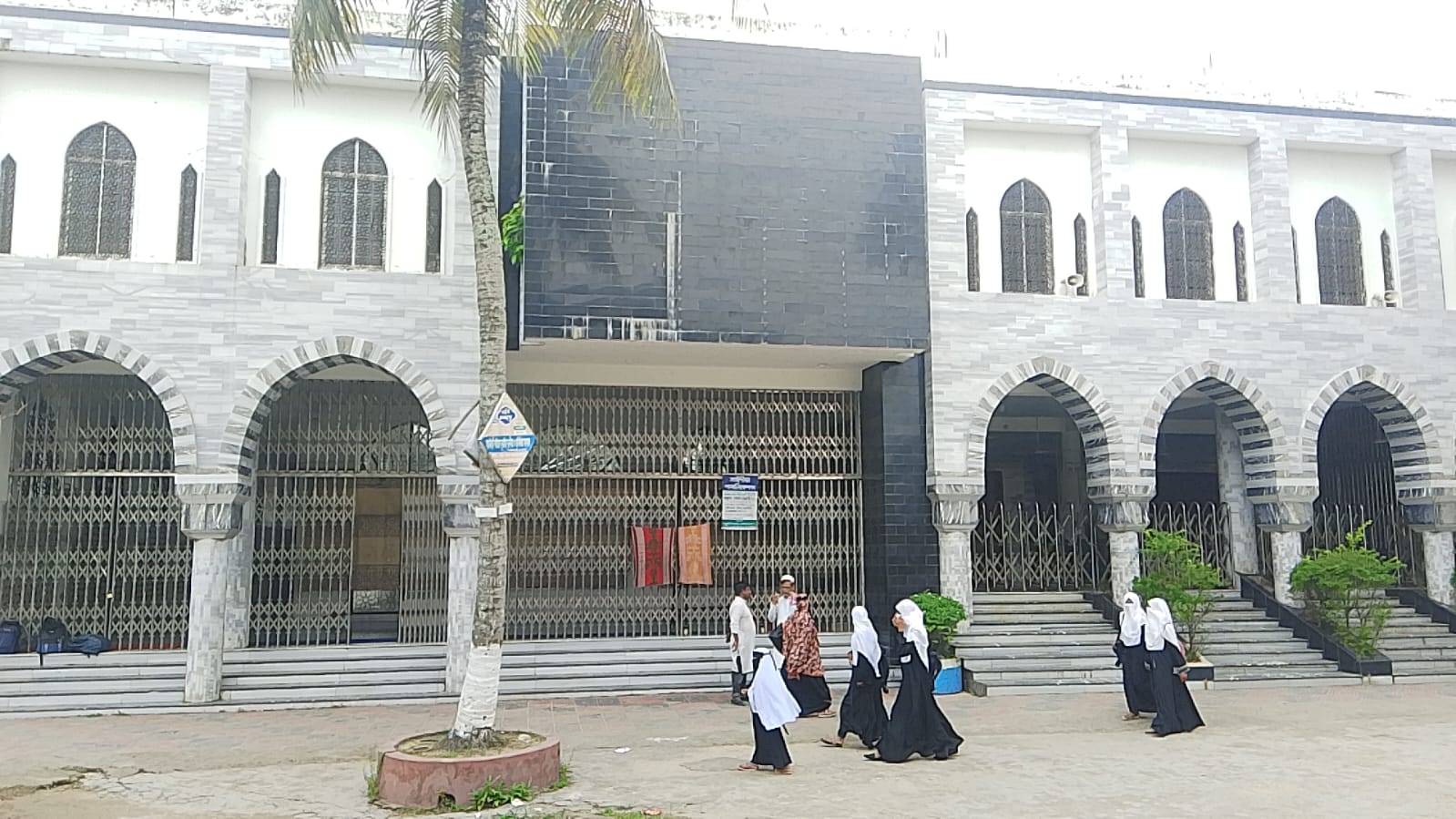
Footage circulating on social media, verified by Reuters, shows protesters in Mashhad, Iran’s second-largest city in the northeast, removing and tearing down a large Iranian flag. Videos from Tehran’s Grand Bazaar and other cities, including Abdanan in southwest Ilam province, show clashes with security forces and mass demonstrations. Another clip from Gonabad in the northeast shows young people leaving a madrasa-mosque to join protests, indicating a form of defiance against religious authorities.

Analysts say the repeated cycle of unrest highlights the limits of Iran’s traditional strategy of combining repression with minor concessions. Vatanka added, “Change now appears inevitable. The government could fall, though that is not certain.”

Past experiences in Syria, Libya, and Iraq suggest that protests alone rarely remove entrenched leaders; a combination of mass dissent and military intervention has historically been necessary.

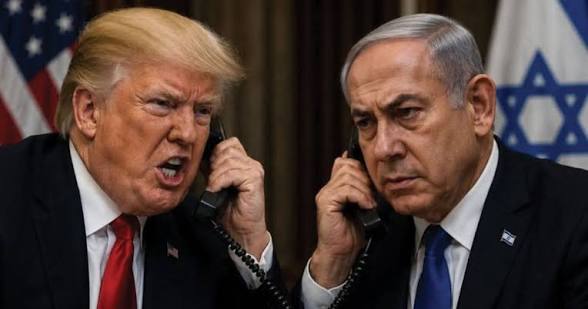
Former U.S. President Donald Trump stated that if Iranian security forces fire on protesters, he would extend support to them, though he did not provide specific details.

Iran’s Supreme Leader Ayatollah Ali Khamenei faces one of the most turbulent periods of his decades-long rule, yet he has vowed not to surrender to external pressures. A former Iranian official noted that Khamenei, now 86, has spent decades building shadow networks, evading sanctions, and advancing nuclear and missile programs—but these structures are now under severe strain.

Israeli Prime Minister Benjamin Netanyahu praised the protests, calling them “a decisive moment where the Iranian people are taking control of their own future.”

Within Iran, opinions are divided over the possibility of foreign military intervention. A 31-year-old resident of central Isfahan said anonymously, “Enough is enough. This government has ruled my country for 50 years. Look at the results: we are poor, isolated, and frustrated.” When asked about foreign intervention, they added, “No. I don’t want my country to suffer another military attack. We have already endured enough. We want peace and friendship with the world without the Islamic Republic.”

Exiled opponents of the Islamic Republic claim that the long-awaited moment for the government’s fall may be approaching and are calling for increased protests. However, the extent of domestic support for such efforts remains uncertain.
Tag :

Please Share This Post in Your Social Media

2

Will Iran’s government be able to manage the current protests?

Update Time : 07:54:03 pm, Friday, 9 January 2026

Protests are spreading rapidly across Iran, while international pressure on the country continues to increase. In this environment, the Islamic Republic’s religious leadership is struggling to address the growing crisis of public trust in the government.

The demonstrations, which began last month in Tehran, have now reached all 31 provinces of Iran. However, the scale of the current protests has not yet matched that of the 2022 demonstrations following the death of Mahsa Amini, who died while in custody after allegedly violating the country’s mandatory hijab rules.

The latest wave of unrest began when merchants at Tehran’s Grand Bazaar protested against the sharp depreciation of the Iranian rial. The movement has since drawn in a broader section of society, particularly young people, although women and teenagers who were prominent in the 2022 protests are less visible this time.

According to the U.S.-based news outlet Human Rights Activists News Agency (HRANA), at least 34 protesters and four security personnel have been killed since the unrest began, and around 2,200 people have been arrested. Analysts say these events highlight widespread frustration with the country’s existing political system.

A former senior official in the reformist branch of Iran’s ruling establishment told Reuters that policies ranging from enforcing dress codes to decisions on foreign policy—central pillars of the Islamic Republic’s ideology—are largely unacceptable to Iranians under 30, who make up nearly half of the nation’s population.

Alex Vatanka, director of the Iran program at the Washington-based Middle East Institute, said: “This is not just a collapse of the rial; it is also a collapse of trust.”

Iranian authorities are reportedly employing a dual strategy to manage the unrest. While acknowledging that protests over economic issues are legitimate and calling for dialogue to resolve grievances, security forces have simultaneously used tear gas and other measures to suppress demonstrations on the streets.

Nearly five decades after the Islamic Revolution, Iran’s religious leaders continue to struggle to bridge the gap between their priorities and the expectations of the younger generation.

Mina, a 25-year-old from Kuhdasht in western Lorestan province, told Reuters over the phone, “I just want to live a normal, peaceful life… instead, they are prioritizing the nuclear program, supporting armed groups in the region, and maintaining hostility toward the United States.”

Many protesters are expressing anger over Tehran’s support for regional militant groups, chanting slogans such as “Not Gaza, not Lebanon, my life for Iran,” signaling widespread frustration with the government’s priorities.

Iran’s regional influence has also been affected by Israel’s repeated attacks on its allies, including Hamas in Gaza, Hezbollah in Lebanon, the Houthis in Yemen, militias in Iraq, and the potential destabilization of its close ally, Syrian President Bashar al-Assad.

Footage circulating on social media, verified by Reuters, shows protesters in Mashhad, Iran’s second-largest city in the northeast, removing and tearing down a large Iranian flag. Videos from Tehran’s Grand Bazaar and other cities, including Abdanan in southwest Ilam province, show clashes with security forces and mass demonstrations. Another clip from Gonabad in the northeast shows young people leaving a madrasa-mosque to join protests, indicating a form of defiance against religious authorities.

Analysts say the repeated cycle of unrest highlights the limits of Iran’s traditional strategy of combining repression with minor concessions. Vatanka added, “Change now appears inevitable. The government could fall, though that is not certain.”

Past experiences in Syria, Libya, and Iraq suggest that protests alone rarely remove entrenched leaders; a combination of mass dissent and military intervention has historically been necessary.

Former U.S. President Donald Trump stated that if Iranian security forces fire on protesters, he would extend support to them, though he did not provide specific details.

Iran’s Supreme Leader Ayatollah Ali Khamenei faces one of the most turbulent periods of his decades-long rule, yet he has vowed not to surrender to external pressures. A former Iranian official noted that Khamenei, now 86, has spent decades building shadow networks, evading sanctions, and advancing nuclear and missile programs—but these structures are now under severe strain.

Israeli Prime Minister Benjamin Netanyahu praised the protests, calling them “a decisive moment where the Iranian people are taking control of their own future.”

Within Iran, opinions are divided over the possibility of foreign military intervention. A 31-year-old resident of central Isfahan said anonymously, “Enough is enough. This government has ruled my country for 50 years. Look at the results: we are poor, isolated, and frustrated.” When asked about foreign intervention, they added, “No. I don’t want my country to suffer another military attack. We have already endured enough. We want peace and friendship with the world without the Islamic Republic.”

Exiled opponents of the Islamic Republic claim that the long-awaited moment for the government’s fall may be approaching and are calling for increased protests. However, the extent of domestic support for such efforts remains uncertain.