How important is your single vote?

- Update Time : 04:44:52 pm, Wednesday, 11 February 2026
- / 272 Time View


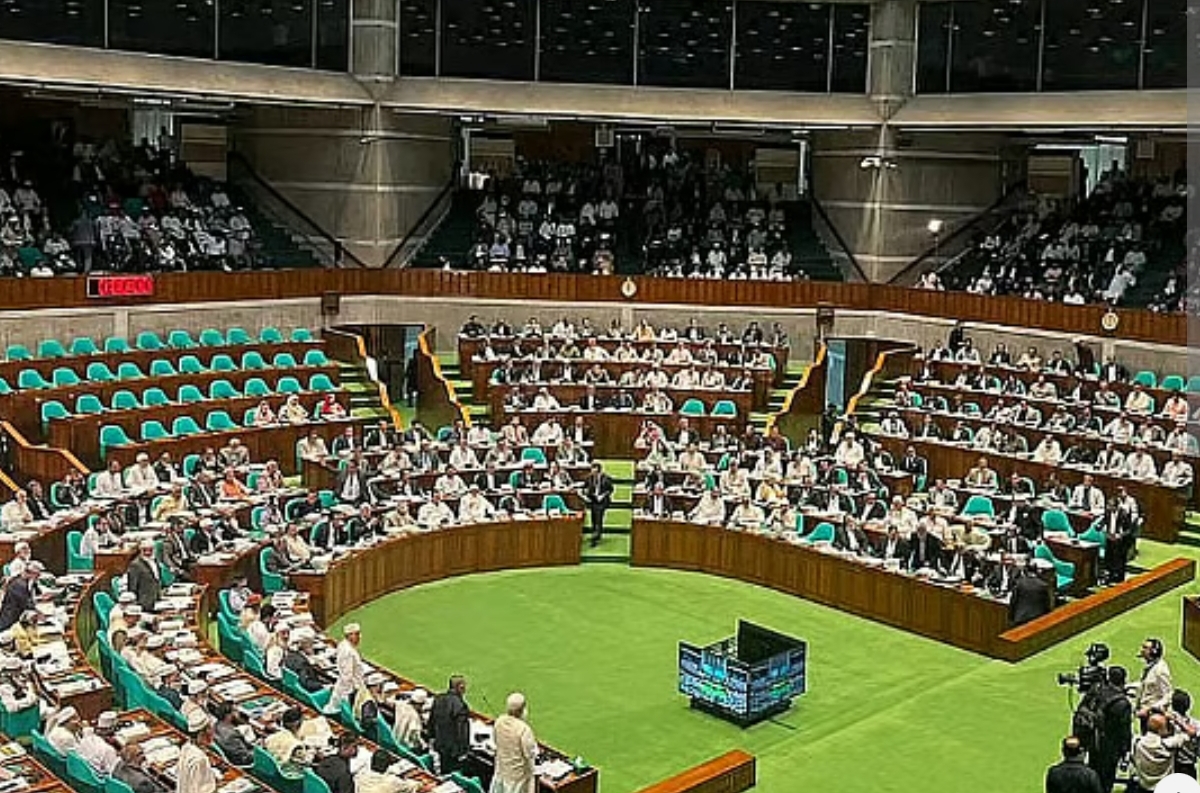
Tomorrow, Thursday (12 February), millions of citizens will cast their ballots in the 13th National Parliamentary Election. Amid the festive atmosphere of democracy, a quiet question may cross many minds: “What difference will my single vote really make?”
History offers a clear answer. A single vote has the power not only to decide winners and losers but also to redirect the course of nations.
When One Vote Changed Everything
In India’s 2008 Rajasthan Legislative Assembly election, C. P. Joshi was widely seen as a leading contender for Chief Minister if his party formed the government. He had a strong reputation—educated, clean image, and widely accepted within the party.
When the votes were counted, officials double-checked the results. Joshi received 62,215 votes. His opponent secured 62,216. He lost by just one vote. That single ballot reshaped political expectations overnight.
Such razor-thin margins are not rare.
In the 38th DUCSU election at the University of Dhaka in 2025, the race for Assistant General Secretary (AGS) at SM Hall was decided by just two votes. The winner received 102 votes, while the runner-up secured 100. Two ballots determined the leadership.
In 2021, in Nilphamari’s Kishoreganj upazila, a union council member election was settled by one vote—473 to 472. Again, democracy demonstrated that no voter is insignificant.
That same year, in Chandpur’s Shahrasti area, two candidates received exactly the same number of votes, forcing a re-election. In Barishal’s Uzirpur, another candidate lost by only two votes. Each case underscored the value of every ballot cast.
National and Global Consequences
The impact of a single vote has been felt far beyond local contests.
In 1999, India’s Prime Minister Atal Bihari Vajpayee lost a parliamentary vote of confidence by just one vote—272 in favor, 273 against. The government fell after only 13 months in power.
In the United States, Virginia’s 2017 House of Delegates race ended in a tie. The winner was ultimately decided by drawing lots—literally pulling a name from a container.
In the 2000 U.S. presidential election, George W. Bush won Florida by just 537 votes out of millions cast. That narrow margin—about 0.01 percent—ultimately sent him to the White House.
Earlier still, in 1910, a congressional race in Buffalo was decided by a single vote.
Votes That Redefined Nations
Some votes have shaped not just careers, but entire political systems.
In 1875, France’s National Assembly voted on whether to abolish the monarchy and establish a republic. The proposal passed by just one vote—353 to 352. Without that single vote, France’s political future might have looked very different.
In 1845, the proposal to admit Texas as a U.S. state also passed the U.S. Senate by just one vote.