Dhaka 8:00 am, Wednesday, 4 March 2026

After Khamenei’s Killing, Will Iran’s Government Change? US Officials Express Doubt

Staff Correspondent:
  • Update Time : 03:51:14 am, Tuesday, 3 March 2026
  • / 26 Time View

Deep Divisions, Little Consensus


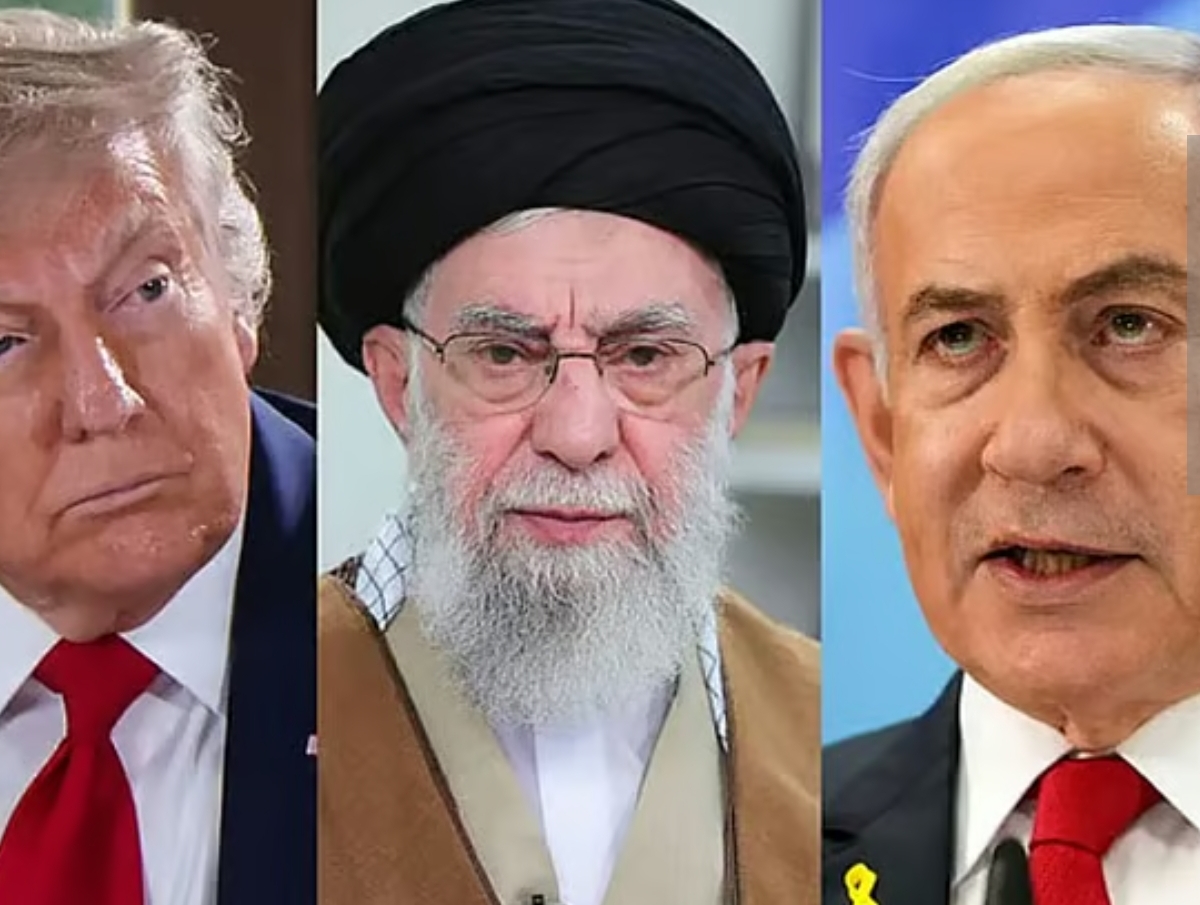
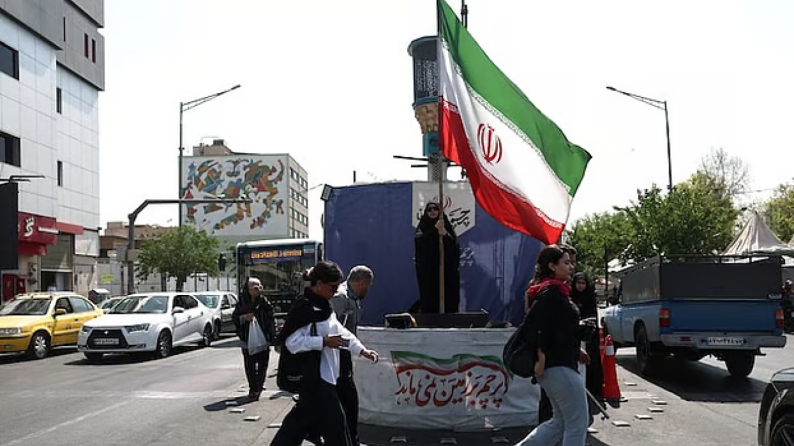
Iranian President Masoud Pezeshkian announced that a temporary “leadership council” — made up of himself, the head of the judiciary, and a member of the Guardian Council — has assumed the responsibilities of the Supreme Leader.


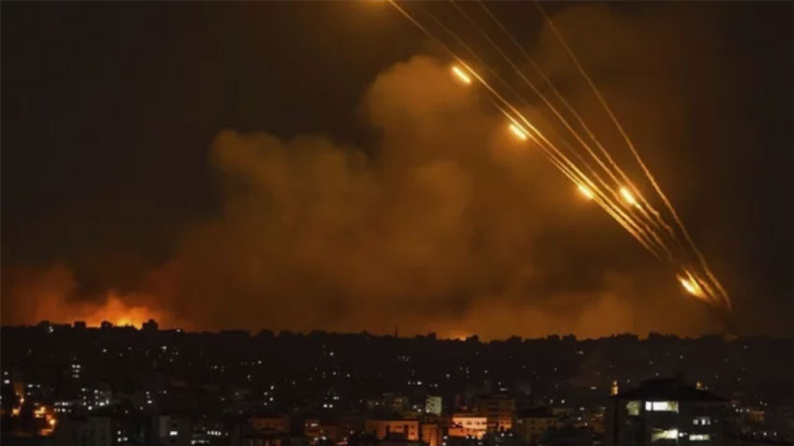
State television reported that security chief Ali Larijani accused the United States and Israel of trying to weaken and fragment Iran. Following attacks blamed on the two countries, he warned that separatist groups would face a tough response. However, Reuters said it could not independently confirm the state media report.


Iran also alleged that an Israeli strike hit a girls’ primary school, killing more than 150 people, most of them children.


Within the United States, intelligence discussions about the impact of Ayatollah Ali Khamenei’s assassination have gone beyond questions of succession. According to two U.S. officials, agencies have debated since January what his death might mean, but have reached no clear agreement. One key question has been whether removing Khamenei would significantly alter Iran’s approach to nuclear negotiations with Washington.


Officials, speaking anonymously, also said there is disagreement over whether his death or removal would slow Iran’s efforts to rebuild its missile forces and nuclear infrastructure.


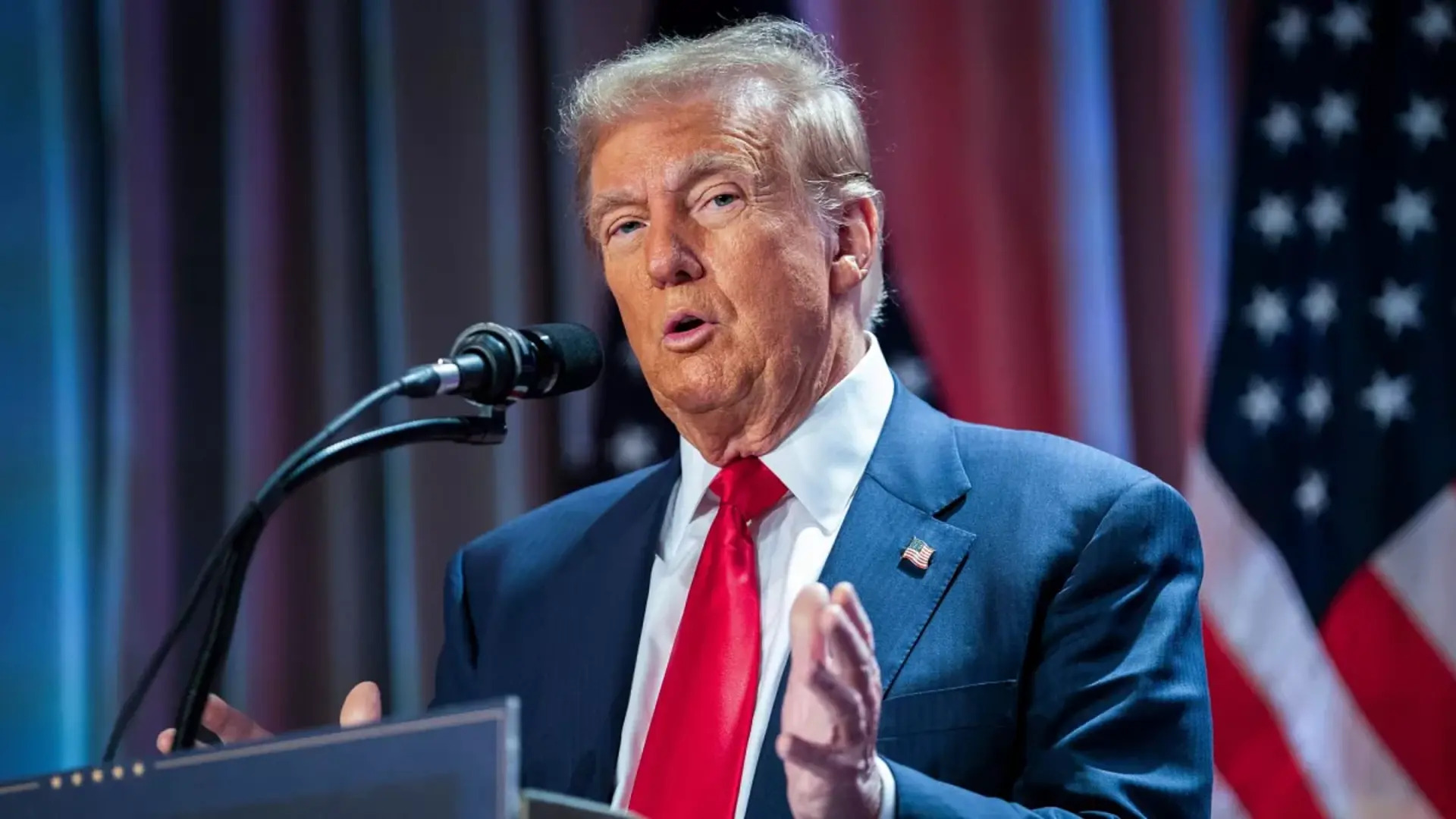
After protests erupted in Iran in January, Steve Witkoff — former President Donald Trump’s Middle East envoy — reportedly held several conversations with Reza Pahlavi, the exiled son of Iran’s last shah. The outreach has raised questions about how much support a future Trump administration might offer Pahlavi if Iran’s government were to collapse.


Still, senior U.S. officials have grown increasingly skeptical in recent weeks. They doubt that any opposition figure backed by Washington could realistically consolidate power inside Iran.


Jonathan Panikoff, a senior fellow at the Atlantic Council and former U.S. intelligence official, said that if Iranian citizens take to the streets after foreign strikes subside, the outcome would depend largely on rank-and-file security forces — whether they side with the public or remain loyal to the ruling establishment.


Otherwise, he warned, those who still control the weapons could use force to maintain their grip on power.

Tag :

Please Share This Post in Your Social Media

After Khamenei’s Killing, Will Iran’s Government Change? US Officials Express Doubt

Update Time : 03:51:14 am, Tuesday, 3 March 2026

Deep Divisions, Little Consensus


Iranian President Masoud Pezeshkian announced that a temporary “leadership council” — made up of himself, the head of the judiciary, and a member of the Guardian Council — has assumed the responsibilities of the Supreme Leader.


State television reported that security chief Ali Larijani accused the United States and Israel of trying to weaken and fragment Iran. Following attacks blamed on the two countries, he warned that separatist groups would face a tough response. However, Reuters said it could not independently confirm the state media report.


Iran also alleged that an Israeli strike hit a girls’ primary school, killing more than 150 people, most of them children.


Within the United States, intelligence discussions about the impact of Ayatollah Ali Khamenei’s assassination have gone beyond questions of succession. According to two U.S. officials, agencies have debated since January what his death might mean, but have reached no clear agreement. One key question has been whether removing Khamenei would significantly alter Iran’s approach to nuclear negotiations with Washington.


Officials, speaking anonymously, also said there is disagreement over whether his death or removal would slow Iran’s efforts to rebuild its missile forces and nuclear infrastructure.


After protests erupted in Iran in January, Steve Witkoff — former President Donald Trump’s Middle East envoy — reportedly held several conversations with Reza Pahlavi, the exiled son of Iran’s last shah. The outreach has raised questions about how much support a future Trump administration might offer Pahlavi if Iran’s government were to collapse.


Still, senior U.S. officials have grown increasingly skeptical in recent weeks. They doubt that any opposition figure backed by Washington could realistically consolidate power inside Iran.


Jonathan Panikoff, a senior fellow at the Atlantic Council and former U.S. intelligence official, said that if Iranian citizens take to the streets after foreign strikes subside, the outcome would depend largely on rank-and-file security forces — whether they side with the public or remain loyal to the ruling establishment.


Otherwise, he warned, those who still control the weapons could use force to maintain their grip on power.