Dhaka 8:52 am, Wednesday, 4 March 2026

From Maduro to Khamenei: Sovereignty Under Pressure from Global Powers

Staff Correspondent :
  • Update Time : 05:27:33 am, Tuesday, 3 March 2026
  • / 38 Time View

From Maduro to Khamenei: How Global Powers Challenge Sovereignty

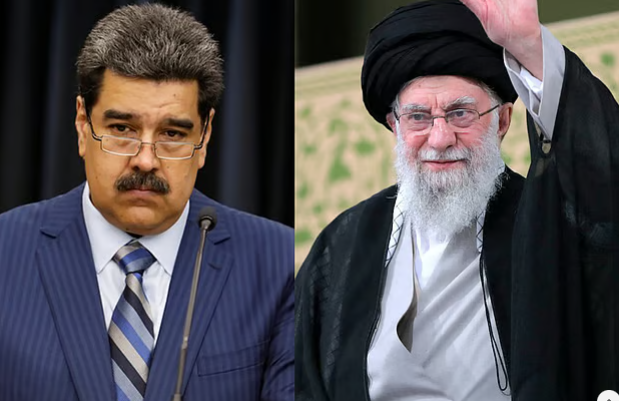
The recent targeting of Venezuelan President Nicolás Maduro for extradition to the United States and the threat against Iran’s Supreme Leader Ayatollah Ali Khamenei may occur in different regions, but together they raise a crucial question: Are global politics entering an era where powerful states increasingly view weaker nations—and even their leaders—as no longer untouchable?

Previously, there was at least a conventional understanding: sovereignty implied limits. A country’s leader would face justice within their own borders, and the core leadership of a state would not be directly attacked. Today, that boundary seems far less rigid.

Venezuela: Power Beyond Law

Take the Venezuelan case. Extraditing a sitting president to face trial in New York is not just a legal matter—it is a signal. It sends a message: powerful nations can reach across borders to hold leaders accountable—or at least assert control. Critics argue this violates international law, which generally shields heads of state from such actions.

Yet the reality is as much about power as law. Legal documents and charges matter, but in international politics, the situation demonstrates that a strong state can bring another country’s leader “within reach” and then attempt to justify it legally. Historical examples exist—such as the U.S. involvement in Panama during Noriega’s removal—but today’s global system is more fragmented and competitive, meaning each major action sets precedents rapidly. Other nations observe, learn, and adjust.

Iran: Leadership as a Target

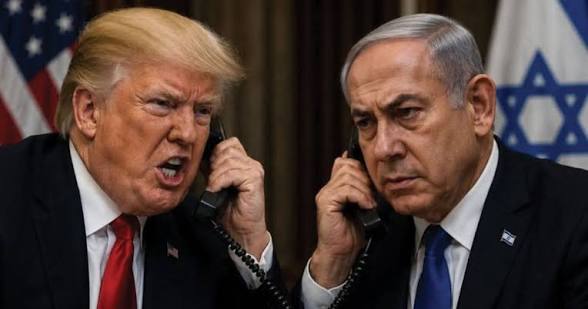
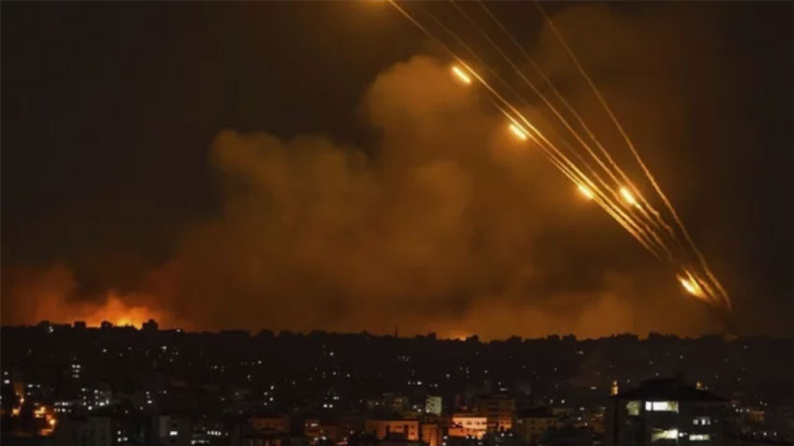
In Iran, the stakes are different. Targeting the Supreme Leader is not a simple military strike—it is an attack on the state itself, what could be termed a “decapitation strike.” U.S. and Israeli officials frame such actions as defensive, aimed at neutralizing perceived existential threats. From the outside, however, it is clear the target is not merely military assets but the central hub of power.

The objectives are threefold:

  1. Reduce Iran’s perceived security threat, including its missile, drone, and nuclear capabilities.

  2. Weaken Iran’s regional network, including the IRGC and allied groups, infrastructure, and funding channels.

  3. Respond to domestic pressures by projecting strength and reassuring public support, while addressing perceived security failures.

For Iran, survival means more than retaining control in Tehran—it requires maintaining deterrence. Their missile and drone capabilities serve as insurance in lieu of a strong air force. Disrupting this balance would not just weaken Iran militarily but undermine confidence internally and among regional allies.

The symbolic impact is significant. A leader’s death at the hands of an external actor raises questions about ultimate security within the state. Nuclear capability, long a point of internal debate in Iran, becomes central again: should they escalate, or does escalation invite greater risk?

Implications for Sovereignty and International Law

Three key insights emerge:

  1. Powerful nations are increasingly willing to target individuals directly, even heads of state—a practice previously reserved for non-state actors. Leadership-level security is now a matter of international power dynamics.

  2. Sovereignty is becoming conditional. In theory, all states are equal, but in practice, stronger, wealthier, or more resilient states enjoy greater protection from external intervention, while weaker states face heightened vulnerability.

  3. Law and power are intertwined in complex ways. Strong states often frame actions in legal terms—counterterrorism, crime prevention, self-defense—but the underlying driver is power. Legal justification is a tool to legitimize actions that might otherwise appear aggressive.

Even regional actors, like Gulf states, illustrate this complexity: they may criticize Iran but simultaneously fear escalation on their soil, given U.S. military presence and economic dependencies. Their stance is cautious, balancing condemnation with diplomacy.

Possible Outcomes

Predicting exact outcomes is impossible, but three scenarios are plausible:

  1. A short, intense conflict followed by a fragile ceasefire, leaving Iran weakened but surviving, with increased internal security focus.

  2. A prolonged regional war, spreading to Iran’s allies, increasing risks of chaos.

  3. Internal Iranian political shifts combined with economic shocks, deepening domestic crisis without necessarily restoring democratic order.

The Maduro and Khamenei cases highlight a broader shift: international politics increasingly operates through “example-setting.” Some acts serve as lessons, some as warnings, but the outcome is never fully controllable. The real casualty in this struggle is stability—affecting not only global powers but also small and medium nations through markets, energy, labor, and security pressures.
Tag :

Please Share This Post in Your Social Media

From Maduro to Khamenei: Sovereignty Under Pressure from Global Powers

Update Time : 05:27:33 am, Tuesday, 3 March 2026

From Maduro to Khamenei: How Global Powers Challenge Sovereignty

The recent targeting of Venezuelan President Nicolás Maduro for extradition to the United States and the threat against Iran’s Supreme Leader Ayatollah Ali Khamenei may occur in different regions, but together they raise a crucial question: Are global politics entering an era where powerful states increasingly view weaker nations—and even their leaders—as no longer untouchable?

Previously, there was at least a conventional understanding: sovereignty implied limits. A country’s leader would face justice within their own borders, and the core leadership of a state would not be directly attacked. Today, that boundary seems far less rigid.

Venezuela: Power Beyond Law

Take the Venezuelan case. Extraditing a sitting president to face trial in New York is not just a legal matter—it is a signal. It sends a message: powerful nations can reach across borders to hold leaders accountable—or at least assert control. Critics argue this violates international law, which generally shields heads of state from such actions.

Yet the reality is as much about power as law. Legal documents and charges matter, but in international politics, the situation demonstrates that a strong state can bring another country’s leader “within reach” and then attempt to justify it legally. Historical examples exist—such as the U.S. involvement in Panama during Noriega’s removal—but today’s global system is more fragmented and competitive, meaning each major action sets precedents rapidly. Other nations observe, learn, and adjust.

Iran: Leadership as a Target

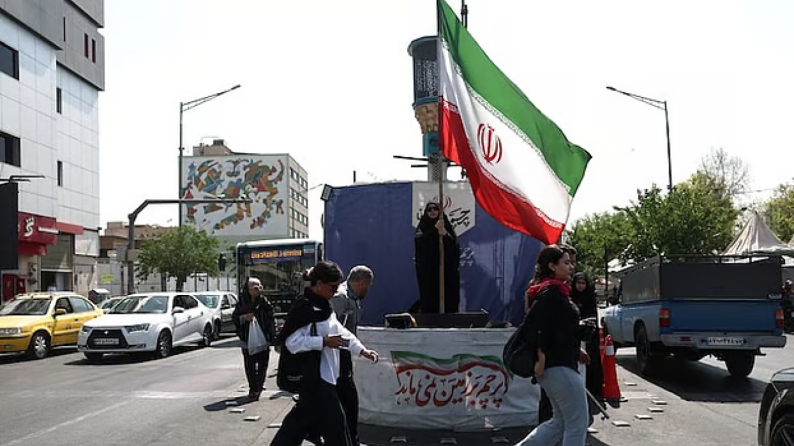
In Iran, the stakes are different. Targeting the Supreme Leader is not a simple military strike—it is an attack on the state itself, what could be termed a “decapitation strike.” U.S. and Israeli officials frame such actions as defensive, aimed at neutralizing perceived existential threats. From the outside, however, it is clear the target is not merely military assets but the central hub of power.

The objectives are threefold:

  1. Reduce Iran’s perceived security threat, including its missile, drone, and nuclear capabilities.

  2. Weaken Iran’s regional network, including the IRGC and allied groups, infrastructure, and funding channels.

  3. Respond to domestic pressures by projecting strength and reassuring public support, while addressing perceived security failures.

For Iran, survival means more than retaining control in Tehran—it requires maintaining deterrence. Their missile and drone capabilities serve as insurance in lieu of a strong air force. Disrupting this balance would not just weaken Iran militarily but undermine confidence internally and among regional allies.

The symbolic impact is significant. A leader’s death at the hands of an external actor raises questions about ultimate security within the state. Nuclear capability, long a point of internal debate in Iran, becomes central again: should they escalate, or does escalation invite greater risk?

Implications for Sovereignty and International Law

Three key insights emerge:

  1. Powerful nations are increasingly willing to target individuals directly, even heads of state—a practice previously reserved for non-state actors. Leadership-level security is now a matter of international power dynamics.

  2. Sovereignty is becoming conditional. In theory, all states are equal, but in practice, stronger, wealthier, or more resilient states enjoy greater protection from external intervention, while weaker states face heightened vulnerability.

  3. Law and power are intertwined in complex ways. Strong states often frame actions in legal terms—counterterrorism, crime prevention, self-defense—but the underlying driver is power. Legal justification is a tool to legitimize actions that might otherwise appear aggressive.

Even regional actors, like Gulf states, illustrate this complexity: they may criticize Iran but simultaneously fear escalation on their soil, given U.S. military presence and economic dependencies. Their stance is cautious, balancing condemnation with diplomacy.

Possible Outcomes

Predicting exact outcomes is impossible, but three scenarios are plausible:

  1. A short, intense conflict followed by a fragile ceasefire, leaving Iran weakened but surviving, with increased internal security focus.

  2. A prolonged regional war, spreading to Iran’s allies, increasing risks of chaos.

  3. Internal Iranian political shifts combined with economic shocks, deepening domestic crisis without necessarily restoring democratic order.

The Maduro and Khamenei cases highlight a broader shift: international politics increasingly operates through “example-setting.” Some acts serve as lessons, some as warnings, but the outcome is never fully controllable. The real casualty in this struggle is stability—affecting not only global powers but also small and medium nations through markets, energy, labor, and security pressures.