Dhaka 12:35 pm, Saturday, 7 March 2026

From Ahmedabad’s “Chakar” to Cricket Star Jasprit Bumrah

Staff Correspondent :
  • Update Time : 05:22:06 am, Thursday, 5 March 2026
  • / 328 Time View

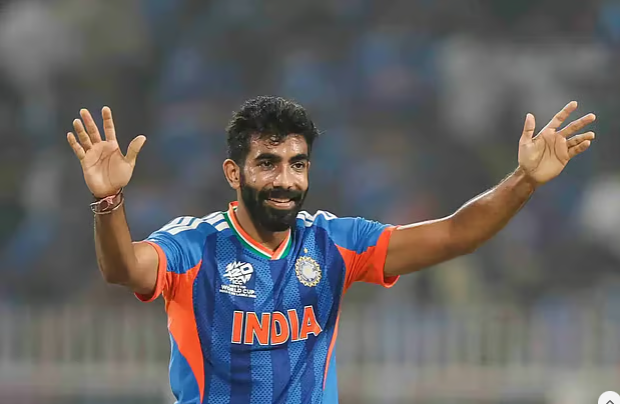
From an Unusual Kid in Ahmedabad to One of the World’s Best Fast Bowlers

The journey began under the scorching sun of Ahmedabad, on dusty practice nets where a skinny teenage bowler focused on just one thing—speed. His plan was simple: aim at the batter’s head and bowl as fast as possible. Short balls were almost the only weapon he knew.

One day his coach, Kishore Trivedi, called him aside and offered some advice. Pure pace, he said, would not be enough for a long career. To survive in professional cricket, he would need variety—cutters, yorkers, and the ability to outthink batters.

That teenager was Jasprit Bumrah.

Unlike many Indian cricketers who start structured training early, Bumrah entered serious cricket relatively late. He was about 16 when he began his professional journey. At that stage, all he really had were his remarkable bowling action and natural pace.

His bowling style immediately stood out. It was unlike anything people had seen before—not just in Ahmedabad or India, but anywhere in the world.

At practice sessions, boys of his age were often nervous about facing him. Some even whispered among themselves whether his action might be illegal, though no one dared say it openly because their coach would quickly silence such talk.

Trivedi later recalled that Bumrah’s unusual action was actually his greatest strength. What he needed, the coach believed, was better control, more variation, and attention to basic techniques. Watching other young players struggle to handle his deliveries convinced Trivedi that the boy had something special.

Today, the teenager who once relied only on raw speed in Ahmedabad’s nets has become one of the finest fast bowlers in the world.

Bumrah was known even then for his sharp mind. He listened carefully, learned quickly, and applied what he learned in matches. That ability to absorb lessons rapidly helped shape his career.

Now in his early thirties, Bumrah is widely considered one of the leading fast bowlers of his generation—perhaps even the best. His performances in the current T20 World Cup have only strengthened that reputation.

Interestingly, the numbers alone may not fully capture his impact. He has taken nine wickets so far in the tournament, which does not place him among the top wicket-takers. Bowlers like Shadley from the United States and Zimbabwe’s Muzarabani have taken more.

Yet anyone closely watching the matches would agree that Bumrah has delivered some of the most memorable spells of the tournament.

Against South Africa national cricket team in the Super Eight stage, he bowled brilliantly—dismissing Quinton de Kock with a stunning delivery that shattered the stumps and later outfoxing Ryan Rickelton. He also produced an excellent return catch to remove Corbin Bosch.

Former cricketers such as Sunil Gavaskar and Dinesh Karthik have suggested that Bumrah should be used more often during the powerplay overs. So far, however, he has bowled only eight powerplay overs across six matches.

One reason is how India uses him strategically. The team treats Bumrah almost like a “floating weapon,” sending him in whenever the match situation becomes critical—much like a batter who is promoted in the batting order during pressure situations.

In a Super Eight match against the West Indies cricket team, for example, Bumrah bowled just one over during the powerplay. He was then saved for the middle and final overs, where he dismissed key batters such as Shimron Hetmyer and Roston Chase.

After that match, India’s head coach Gautam Gambhir explained the strategy. According to him, when facing some of the world’s most dangerous batters, it makes sense to rely on the team’s best bowler at the most crucial moments.

Whenever other bowlers concede too many runs, Bumrah is often brought back to restore control. In many ways, he has become India’s crisis manager—the bowler called upon whenever the team needs a breakthrough or needs to stop momentum.

Modern T20 cricket rarely allows bowlers the luxury of focusing solely on collecting wickets. Bumrah’s value often lies in his ability to control scoring and create pressure.

In the current World Cup, his economy rate stands at an outstanding 6.30 with a strike rate of 13.33—numbers that are exceptional in T20 cricket. A similar story unfolded during the 2023 ODI World Cup, where he had the best economy rate in the tournament despite not topping the wicket charts.

For Bumrah, though, statistics are secondary. His primary goal has always been to help India win matches.

Coach Kishore Trivedi believes Bumrah’s unique action is almost a gift from above. The thought that one of the world’s best bowlers emerged from his small academy fills him with pride.

Ironically, the boy who was once mocked on the streets of Ahmedabad for his strange bowling style is now an inspiration. Thousands of young cricketers across the world try to imitate his action in practice nets.

Records may fade with time, but the dream of countless young players hoping to become the next Jasprit Bumrah may prove to be his greatest legacy.


Tag :

Please Share This Post in Your Social Media

From Ahmedabad’s “Chakar” to Cricket Star Jasprit Bumrah

Update Time : 05:22:06 am, Thursday, 5 March 2026

From an Unusual Kid in Ahmedabad to One of the World’s Best Fast Bowlers

The journey began under the scorching sun of Ahmedabad, on dusty practice nets where a skinny teenage bowler focused on just one thing—speed. His plan was simple: aim at the batter’s head and bowl as fast as possible. Short balls were almost the only weapon he knew.

One day his coach, Kishore Trivedi, called him aside and offered some advice. Pure pace, he said, would not be enough for a long career. To survive in professional cricket, he would need variety—cutters, yorkers, and the ability to outthink batters.

That teenager was Jasprit Bumrah.

Unlike many Indian cricketers who start structured training early, Bumrah entered serious cricket relatively late. He was about 16 when he began his professional journey. At that stage, all he really had were his remarkable bowling action and natural pace.

His bowling style immediately stood out. It was unlike anything people had seen before—not just in Ahmedabad or India, but anywhere in the world.

At practice sessions, boys of his age were often nervous about facing him. Some even whispered among themselves whether his action might be illegal, though no one dared say it openly because their coach would quickly silence such talk.

Trivedi later recalled that Bumrah’s unusual action was actually his greatest strength. What he needed, the coach believed, was better control, more variation, and attention to basic techniques. Watching other young players struggle to handle his deliveries convinced Trivedi that the boy had something special.

Today, the teenager who once relied only on raw speed in Ahmedabad’s nets has become one of the finest fast bowlers in the world.

Bumrah was known even then for his sharp mind. He listened carefully, learned quickly, and applied what he learned in matches. That ability to absorb lessons rapidly helped shape his career.

Now in his early thirties, Bumrah is widely considered one of the leading fast bowlers of his generation—perhaps even the best. His performances in the current T20 World Cup have only strengthened that reputation.

Interestingly, the numbers alone may not fully capture his impact. He has taken nine wickets so far in the tournament, which does not place him among the top wicket-takers. Bowlers like Shadley from the United States and Zimbabwe’s Muzarabani have taken more.

Yet anyone closely watching the matches would agree that Bumrah has delivered some of the most memorable spells of the tournament.

Against South Africa national cricket team in the Super Eight stage, he bowled brilliantly—dismissing Quinton de Kock with a stunning delivery that shattered the stumps and later outfoxing Ryan Rickelton. He also produced an excellent return catch to remove Corbin Bosch.

Former cricketers such as Sunil Gavaskar and Dinesh Karthik have suggested that Bumrah should be used more often during the powerplay overs. So far, however, he has bowled only eight powerplay overs across six matches.

One reason is how India uses him strategically. The team treats Bumrah almost like a “floating weapon,” sending him in whenever the match situation becomes critical—much like a batter who is promoted in the batting order during pressure situations.

In a Super Eight match against the West Indies cricket team, for example, Bumrah bowled just one over during the powerplay. He was then saved for the middle and final overs, where he dismissed key batters such as Shimron Hetmyer and Roston Chase.

After that match, India’s head coach Gautam Gambhir explained the strategy. According to him, when facing some of the world’s most dangerous batters, it makes sense to rely on the team’s best bowler at the most crucial moments.

Whenever other bowlers concede too many runs, Bumrah is often brought back to restore control. In many ways, he has become India’s crisis manager—the bowler called upon whenever the team needs a breakthrough or needs to stop momentum.

Modern T20 cricket rarely allows bowlers the luxury of focusing solely on collecting wickets. Bumrah’s value often lies in his ability to control scoring and create pressure.

In the current World Cup, his economy rate stands at an outstanding 6.30 with a strike rate of 13.33—numbers that are exceptional in T20 cricket. A similar story unfolded during the 2023 ODI World Cup, where he had the best economy rate in the tournament despite not topping the wicket charts.

For Bumrah, though, statistics are secondary. His primary goal has always been to help India win matches.

Coach Kishore Trivedi believes Bumrah’s unique action is almost a gift from above. The thought that one of the world’s best bowlers emerged from his small academy fills him with pride.

Ironically, the boy who was once mocked on the streets of Ahmedabad for his strange bowling style is now an inspiration. Thousands of young cricketers across the world try to imitate his action in practice nets.

Records may fade with time, but the dream of countless young players hoping to become the next Jasprit Bumrah may prove to be his greatest legacy.