Why Iran’s President Masoud Pezeshkian Expressed Regret Amid the War ?

- Update Time : 08:35:09 am, Sunday, 8 March 2026
- / 197 Time View

Why Iran’s President Masoud Pezeshkian Expressed Regret During the War
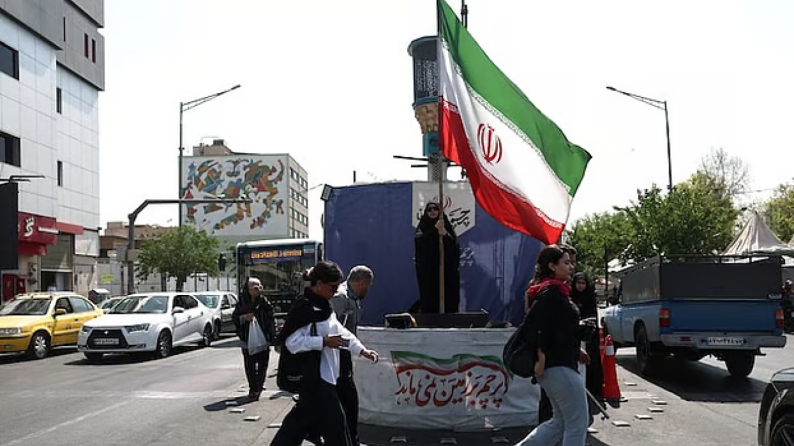
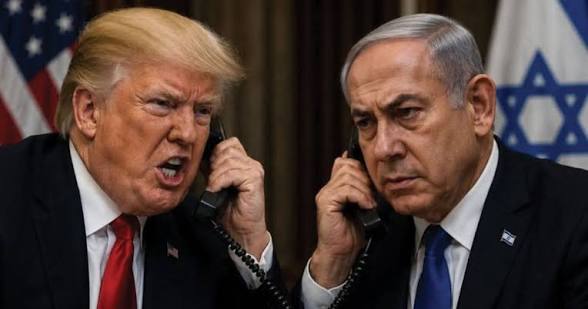
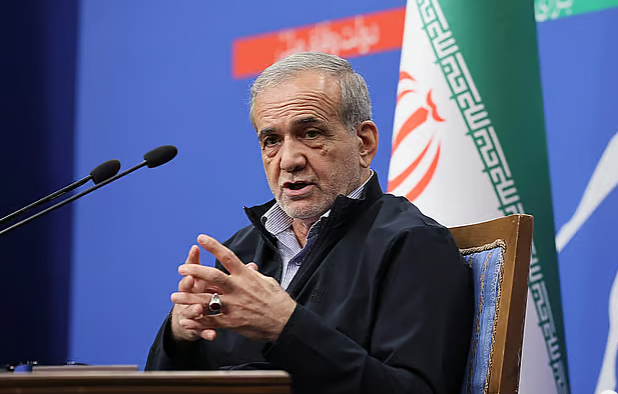
Comments made by Masoud Pezeshkian during the ongoing conflict have drawn attention from analysts after he publicly expressed regret to neighboring Arab countries affected by Iranian-related attacks. In a speech delivered on Saturday morning as part of Iran’s interim leadership, Pezeshkian said it was necessary to apologize to neighboring states that had experienced strikes linked to the conflict.
Such a statement is uncommon at the state level, particularly while a war is underway. Leaders in wartime situations usually limit their remarks to expressions of sympathy or avoid taking responsibility altogether. In that sense, the Iranian president’s remarks stand out.
During his address, Pezeshkian acknowledged the attacks that had affected several neighboring countries in the Middle East. He said Iranian forces had been instructed not to target neighboring states and added that Iran would refrain from further strikes as long as those countries did not participate in attacks against Iran.
“I believe we should express regret to the neighboring countries that have suffered from these incidents,” he said, emphasizing that Tehran has no intention of launching attacks against its neighbors.
Attempt to Prevent Wider Conflict
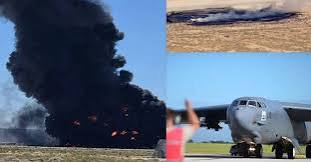
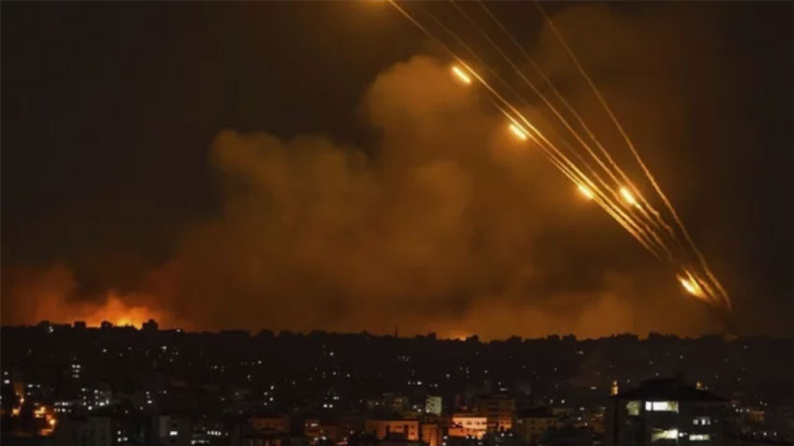
One possible reason for the statement is that Iran’s interim leadership may be trying to prevent the conflict from escalating into a broader regional war. Tensions intensified after the United States and Israel carried out joint strikes inside Iran on February 28. Tehran responded with counterattacks, including operations targeting Israel and U.S. facilities in several Middle Eastern countries. These exchanges led to retaliatory strikes spreading across parts of the region.
According to Pezeshkian, some of the attacks on neighboring territories occurred during the early phase of the conflict, when several senior Iranian commanders were killed and the country’s central command structure was disrupted.
By expressing regret now, analysts suggest that Tehran may be signaling it does not want the conflict to expand into a full regional confrontation.
Political Considerations
There are also political realities behind the president’s remarks. Several countries neighboring Iran host U.S. military bases, and some of these facilities were targeted during Iran’s retaliatory strikes. If those countries allow the United States to continue launching attacks against Iran from their territory, Tehran might respond again, which could further isolate Iran diplomatically.
At the same time, it remains unclear whether the expression of regret will translate into a formal change in Iran’s military strategy.
Missile interceptions reported by Qatar and the United Arab Emirates on Saturday suggested that missiles directed toward their territories had been shot down, indicating that hostilities involving Iranian-linked forces may still be ongoing.
Questions About Iran’s Leadership Structure
If such attacks continue despite the president’s statement, it could raise questions about the authority of Iran’s current leadership. The early stages of the conflict reportedly resulted in the deaths of several key Iranian figures, including Supreme Leader Ali Khamenei. After his death, decision-making powers were transferred to an interim council, of which Pezeshkian is a member.
In theory, this arrangement could allow civilian leaders like Pezeshkian to play a stronger role than under a single supreme authority. However, the ability of the interim leadership to control powerful institutions such as the Islamic Revolutionary Guard Corps remains uncertain.
Regional and Domestic Pressure
If attacks connected to Iran continue despite the president’s conciliatory message, analysts say it could indicate either a breakdown in communication within Iran’s command structure or resistance from factions unwilling to de-escalate the conflict.
Hardline groups have long argued that Iran’s strongest response to U.S. and Israeli military power lies in maintaining pressure across the region. This perspective has also influenced domestic reactions in Iran, where some conservative figures have already criticized Pezeshkian’s apology, describing it as a sign of weakness.