Dhaka 1:23 am, Tuesday, 10 March 2026

Bangladesh Bank Will Not Release New Banknotes for Eid

Staff Correspondent :
  • Update Time : 07:29:09 am, Monday, 9 March 2026
  • / 40 Time View

Ahead of the upcoming Eid-ul-Fitr, the general public will not receive newly issued banknotes this year, as the central bank has decided not to release fresh currency into the market. As a result, many people will celebrate Eid without the tradition of giving crisp new notes, and children may miss out on receiving new money as Eid gifts.

However, the central bank has arranged new banknotes for its own employees. According to an internal directive issued recently, staff members began receiving the fresh notes from Sunday. This decision has drawn criticism from some officials within the institution.

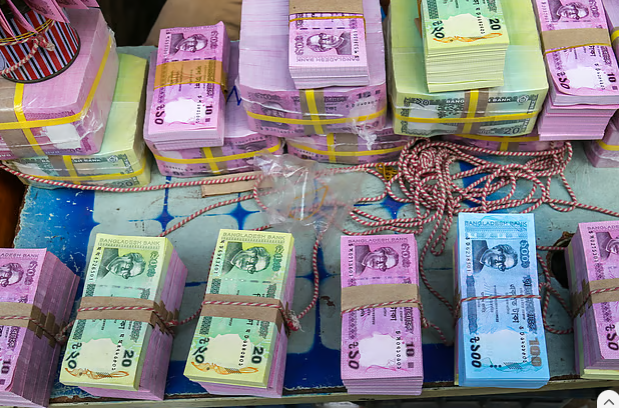
Every year during Eid, demand for new banknotes rises significantly because they are commonly given as Eid salami. Temporary stalls selling new and damaged notes usually appear around areas such as Motijheel, Gulistan, and near the central bank building in the capital. These small businesses—often run on sidewalks—typically thrive during the festive period. But recently, the central bank stepped back from its usual practice of releasing new notes for Eid. Despite that, it has still arranged new notes for its own workforce.

Arif Hossain Khan, spokesperson for the central bank, told reporters that the bank has withdrawn from distributing new currency in the market before Eid this year, meaning no fresh notes will be officially released for public exchange.

Several officials inside the institution say that while some employees advocate reforms in the banking sector, they are less willing to accept reforms affecting themselves. They also point out the contradiction of promoting reduced cash usage while still ensuring access to large amounts of physical cash internally.

An office order issued on March 3 outlines how much new currency employees can collect. According to the directive, officials holding the positions of Executive Director, Director, Additional Director, and Joint Director can each receive new banknotes worth up to 183,000 taka. Lower-level staff, including cleaners and other employees, can receive up to 68,000 taka in fresh notes. Staff members are allowed to collect the notes based on demand between March 8 and March 12.

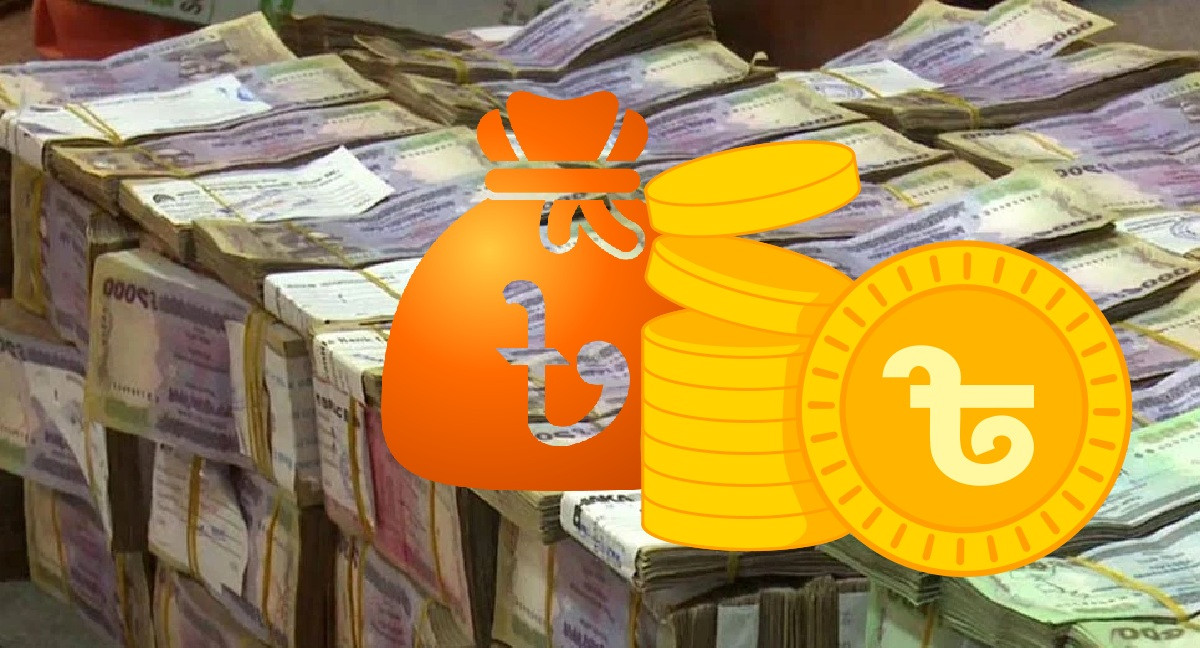
Questions have also been raised about the size of the allocations, as some employees could obtain new notes worth more than their monthly salaries. Critics fear that some of these notes may eventually enter the informal market, where traders buy and sell new or damaged currency on sidewalks during the Eid season.

Tag :

Please Share This Post in Your Social Media

Bangladesh Bank Will Not Release New Banknotes for Eid

Update Time : 07:29:09 am, Monday, 9 March 2026

Ahead of the upcoming Eid-ul-Fitr, the general public will not receive newly issued banknotes this year, as the central bank has decided not to release fresh currency into the market. As a result, many people will celebrate Eid without the tradition of giving crisp new notes, and children may miss out on receiving new money as Eid gifts.

However, the central bank has arranged new banknotes for its own employees. According to an internal directive issued recently, staff members began receiving the fresh notes from Sunday. This decision has drawn criticism from some officials within the institution.

Every year during Eid, demand for new banknotes rises significantly because they are commonly given as Eid salami. Temporary stalls selling new and damaged notes usually appear around areas such as Motijheel, Gulistan, and near the central bank building in the capital. These small businesses—often run on sidewalks—typically thrive during the festive period. But recently, the central bank stepped back from its usual practice of releasing new notes for Eid. Despite that, it has still arranged new notes for its own workforce.

Arif Hossain Khan, spokesperson for the central bank, told reporters that the bank has withdrawn from distributing new currency in the market before Eid this year, meaning no fresh notes will be officially released for public exchange.

Several officials inside the institution say that while some employees advocate reforms in the banking sector, they are less willing to accept reforms affecting themselves. They also point out the contradiction of promoting reduced cash usage while still ensuring access to large amounts of physical cash internally.

An office order issued on March 3 outlines how much new currency employees can collect. According to the directive, officials holding the positions of Executive Director, Director, Additional Director, and Joint Director can each receive new banknotes worth up to 183,000 taka. Lower-level staff, including cleaners and other employees, can receive up to 68,000 taka in fresh notes. Staff members are allowed to collect the notes based on demand between March 8 and March 12.

Questions have also been raised about the size of the allocations, as some employees could obtain new notes worth more than their monthly salaries. Critics fear that some of these notes may eventually enter the informal market, where traders buy and sell new or damaged currency on sidewalks during the Eid season.