“What unfolded within the 48-hour ultimatum issued by Trump”

- Update Time : 03:04:07 pm, Monday, 23 March 2026
- / 44 Time View
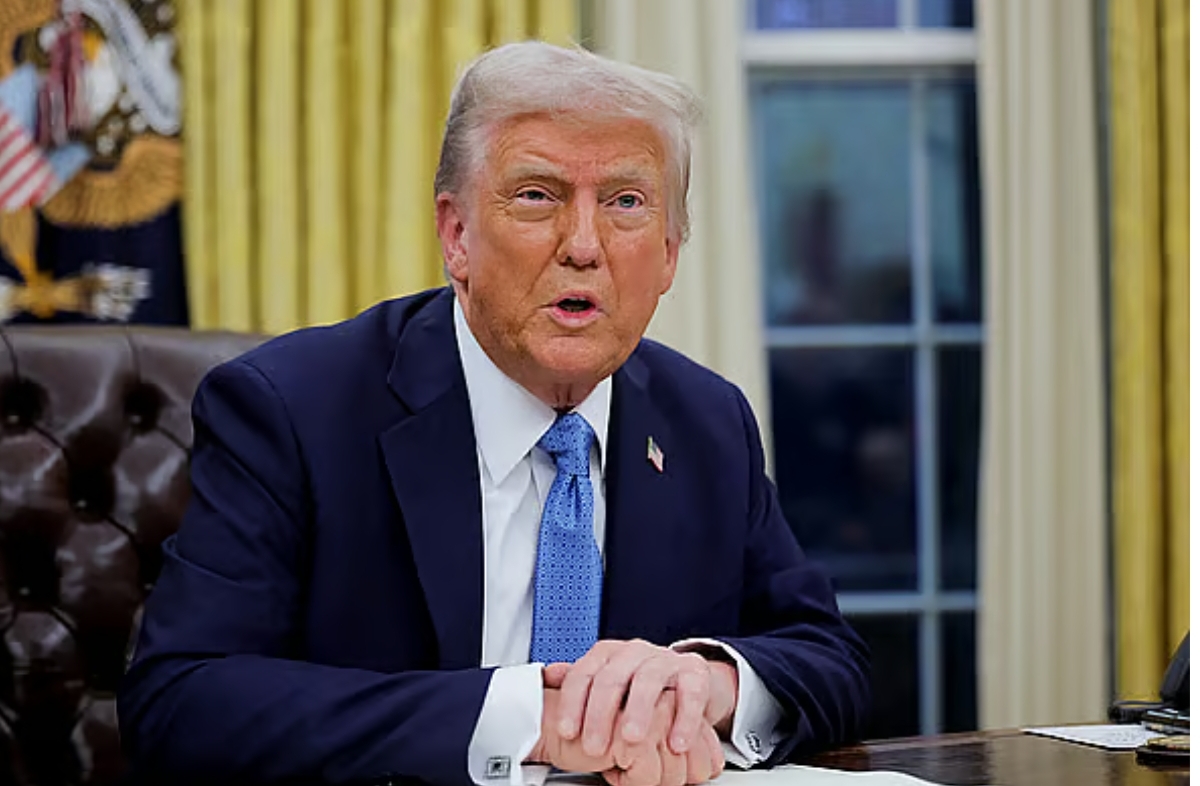

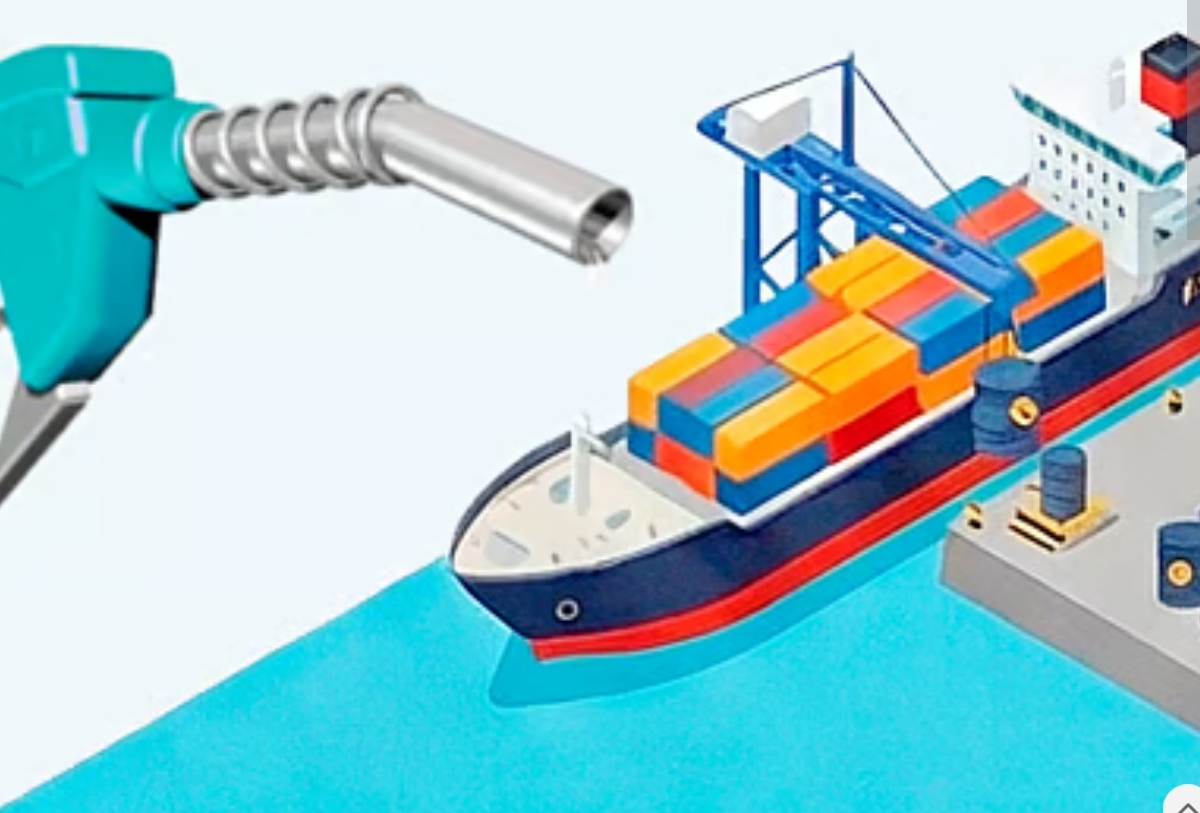
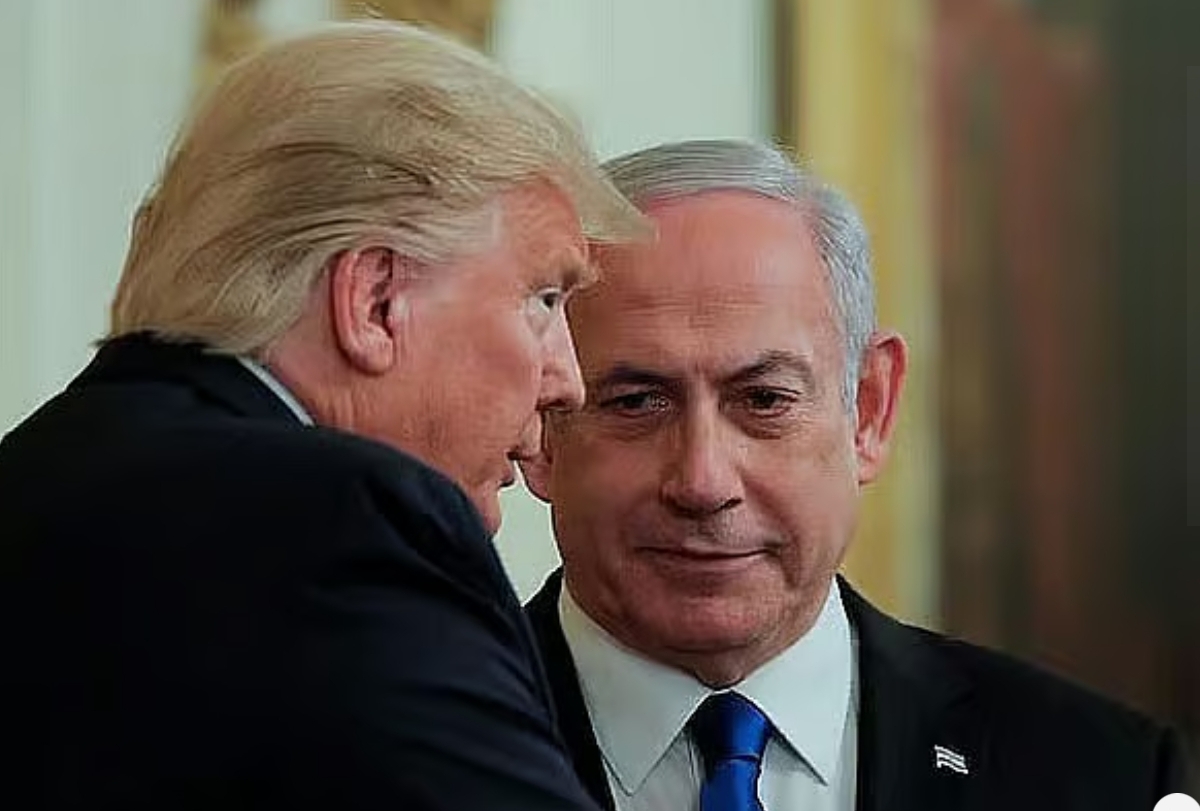
U.S. President Donald Trump on Saturday issued a warning, saying that if the strategically important Strait of Hormuz in the Persian Gulf was not reopened within 48 hours, the United States would launch strikes targeting Iran’s power facilities.
Trump made the statement at 7:44 PM Eastern Time through a post on his social media platform, Truth Social. Based on that timeline, the deadline was set to expire on Monday at 7:44 PM (3:14 AM Tuesday in Tehran).
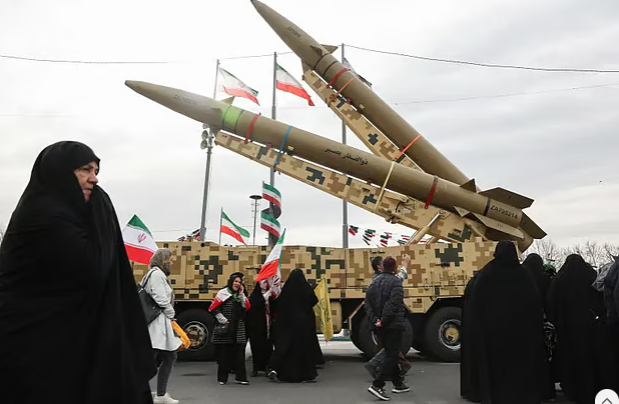
In response the following day, Iran’s Parliament Speaker Mohammad Bagher Ghalibaf said that any U.S. attack on Iranian power plants would trigger retaliation, potentially leading to the “permanent destruction” of key infrastructure and energy installations across the Middle East.
Iran’s semi-official Mehr News Agency also released a map highlighting power plants in the Gulf region, warning that if Trump followed through on his threat, countries in the region could effectively “say goodbye to electricity.”
On Sunday, Iran’s representative to the United Nations maritime body stated that the Strait of Hormuz remained open to all vessels except those belonging to what Iran considers hostile nations. However, later that day, Iran’s armed forces headquarters announced that if the U.S. carried out strikes on its power facilities, Tehran was prepared to close the strait indefinitely.
Today, Iran’s Islamic Revolutionary Guard Corps (IRGC) reiterated that any attack on the country’s energy infrastructure would be met with a similar response.
A few hours later, President Trump said there had been “productive discussions” between the United States and Iran over the weekend and announced a five-day pause on any planned strikes against Iran’s energy facilities.
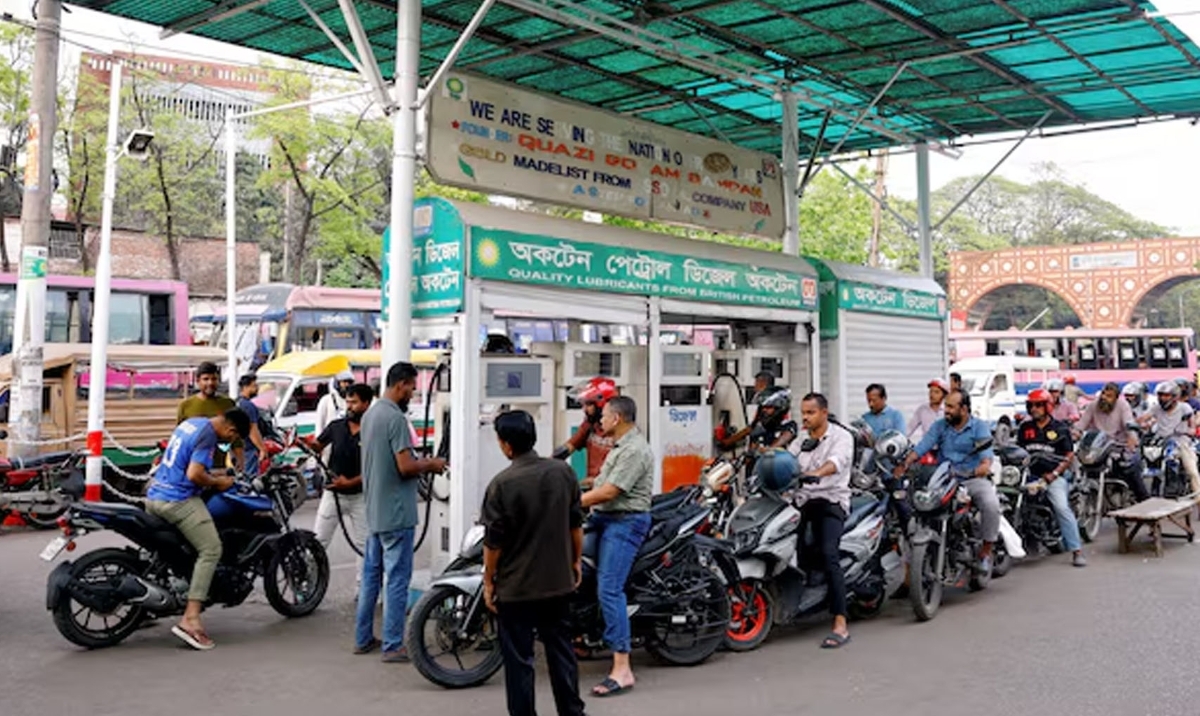
However, several Iranian state media outlets, citing the country’s foreign ministry, denied that any talks had taken place with Washington. They suggested Trump’s claim was a tactic aimed at lowering fuel prices and buying time for military planning.