Dhaka 6:01 pm, Saturday, 28 March 2026

The Victims of This China–India Nerve-Wracking Standoff

Staff Correspondent :
  • Update Time : 07:34:32 am, Thursday, 26 March 2026
  • / 77 Time View

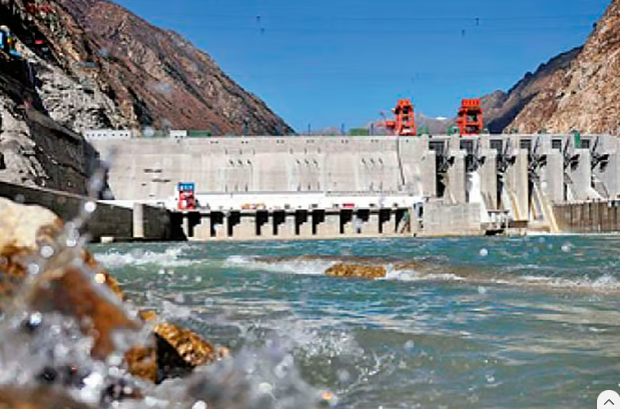
For over a decade, the Yarlung Tsangpo—known downstream as the Brahmaputra—has become a new flashpoint in the ongoing tension between China and India. As the upstream country, China has been constructing one massive hydroelectric dam after another along the river. Of particular concern to India is the proposed “Great Bend” project, with a target capacity of 60 gigawatts, which is seen as a direct threat to national security.

India’s water diplomacy has not been as proactive as the situation demands. Instead of binding Beijing to a permanent water-sharing agreement, New Delhi has adopted a “dam-for-dam” approach. This stance poses serious risks to both regional stability and environmental balance.

Both China and India are caught in a competitive and deadlocked relationship over the Brahmaputra. Each country seeks exclusive rights to fully utilize the shared river within its borders. China’s hydraulic projects in the Yarlung Tsangpo basin are extensive, including the Sanmu and Ziacha dams, along with plans for at least 18 more. Through these projects, China aims to assert its dominance and influence on the global stage.

Within India, opinions on this water politics differ. Assam Chief Minister Hemanta Biswa Sharma believes China’s projects will not significantly harm the delta region, while Arunachal Pradesh Chief Minister Pema Khandu has called the Chinese dams “ticking bombs” and life-threatening.

China has not signed the 1997 UN Watercourses Convention, maintaining extreme secrecy regarding water-use data. Experts note that Beijing treats this information as a strategic asset. Since 2022, China has stopped regular sharing of water-related data with India. This lack of transparency has created a form of psychological warfare for the downstream nations. After the 2020 border tensions, India struggled to predict floods due to China’s withholding of data.

How has India responded to China’s assertiveness? Although Prime Minister Narendra Modi has been more vocal internationally on this issue than his predecessors, no effective permanent water-sharing mechanism has yet been established. Modi raised the issue during his 2015 China visit and at subsequent G20 meetings, but no concrete outcomes have emerged.

India has remained largely confined to the original information-sharing agreements signed in 2002 and 2008. The memorandum of understanding expired in June 2025 and has not yet been renewed. Over the past two decades, New Delhi has failed to build a strong diplomatic framework.

Part of India’s cautious approach stems from its own strategic ambitions. To counter China, India has focused on constructing massive hydroelectric projects, including the 20,000-megawatt Siang Upper multipurpose project in Arunachal Pradesh. These dams are designed to establish “prior usage rights,” essentially asserting that India has the first claim to the river’s flow in the international arena.

The government claims these projects will regulate water flow, prevent floods caused by sudden releases from China, generate revenue for states, and protect the environment. In reality, local communities in Arunachal Pradesh have expressed strong opposition. They have not been consulted, and protestors are labeled “anti-development,” with authorities arguing that opposing the dams ultimately serves China’s interests. This political narrative suppresses the voices of the people living along the river.

The water politics between China and India has created internal divisions in India itself, with conflicting statements from leaders adding to local distrust. Exploiting the lack of clear information, the government continues advancing its large dam projects.

In a region where two nuclear powers are already in a tense border standoff, the Brahmaputra crisis poses a serious threat to the Himalayan ecosystem. Resolving this deadlock requires more than temporary agreements or expert meetings. What is needed is a clear, binding, and multiparty treaty that respects indigenous rights and environmental protection. Without sustained diplomatic effort and long-term solutions, the Brahmaputra could become not just a river but a source of extreme hardship for tens of millions of people on both sides.

Tag :

Please Share This Post in Your Social Media

The Victims of This China–India Nerve-Wracking Standoff

Update Time : 07:34:32 am, Thursday, 26 March 2026

For over a decade, the Yarlung Tsangpo—known downstream as the Brahmaputra—has become a new flashpoint in the ongoing tension between China and India. As the upstream country, China has been constructing one massive hydroelectric dam after another along the river. Of particular concern to India is the proposed “Great Bend” project, with a target capacity of 60 gigawatts, which is seen as a direct threat to national security.

India’s water diplomacy has not been as proactive as the situation demands. Instead of binding Beijing to a permanent water-sharing agreement, New Delhi has adopted a “dam-for-dam” approach. This stance poses serious risks to both regional stability and environmental balance.

Both China and India are caught in a competitive and deadlocked relationship over the Brahmaputra. Each country seeks exclusive rights to fully utilize the shared river within its borders. China’s hydraulic projects in the Yarlung Tsangpo basin are extensive, including the Sanmu and Ziacha dams, along with plans for at least 18 more. Through these projects, China aims to assert its dominance and influence on the global stage.

Within India, opinions on this water politics differ. Assam Chief Minister Hemanta Biswa Sharma believes China’s projects will not significantly harm the delta region, while Arunachal Pradesh Chief Minister Pema Khandu has called the Chinese dams “ticking bombs” and life-threatening.

China has not signed the 1997 UN Watercourses Convention, maintaining extreme secrecy regarding water-use data. Experts note that Beijing treats this information as a strategic asset. Since 2022, China has stopped regular sharing of water-related data with India. This lack of transparency has created a form of psychological warfare for the downstream nations. After the 2020 border tensions, India struggled to predict floods due to China’s withholding of data.

How has India responded to China’s assertiveness? Although Prime Minister Narendra Modi has been more vocal internationally on this issue than his predecessors, no effective permanent water-sharing mechanism has yet been established. Modi raised the issue during his 2015 China visit and at subsequent G20 meetings, but no concrete outcomes have emerged.

India has remained largely confined to the original information-sharing agreements signed in 2002 and 2008. The memorandum of understanding expired in June 2025 and has not yet been renewed. Over the past two decades, New Delhi has failed to build a strong diplomatic framework.

Part of India’s cautious approach stems from its own strategic ambitions. To counter China, India has focused on constructing massive hydroelectric projects, including the 20,000-megawatt Siang Upper multipurpose project in Arunachal Pradesh. These dams are designed to establish “prior usage rights,” essentially asserting that India has the first claim to the river’s flow in the international arena.

The government claims these projects will regulate water flow, prevent floods caused by sudden releases from China, generate revenue for states, and protect the environment. In reality, local communities in Arunachal Pradesh have expressed strong opposition. They have not been consulted, and protestors are labeled “anti-development,” with authorities arguing that opposing the dams ultimately serves China’s interests. This political narrative suppresses the voices of the people living along the river.

The water politics between China and India has created internal divisions in India itself, with conflicting statements from leaders adding to local distrust. Exploiting the lack of clear information, the government continues advancing its large dam projects.

In a region where two nuclear powers are already in a tense border standoff, the Brahmaputra crisis poses a serious threat to the Himalayan ecosystem. Resolving this deadlock requires more than temporary agreements or expert meetings. What is needed is a clear, binding, and multiparty treaty that respects indigenous rights and environmental protection. Without sustained diplomatic effort and long-term solutions, the Brahmaputra could become not just a river but a source of extreme hardship for tens of millions of people on both sides.