Imports from Pakistan and Other Countries Help Moderate Prices

- Update Time : 02:08:53 pm, Saturday, 18 January 2025
- / 415 Time View


The government and private sectors in Bangladesh are importing rice from India and Myanmar, with some shipments already arrived and others en route. Recently, the government also decided to import rice from Pakistan. As a result of these imports, the previously high rice prices have begun to decrease slightly, with reductions of 1-2 BDT per kilogram for some varieties. However, prices have not yet returned to previous levels.
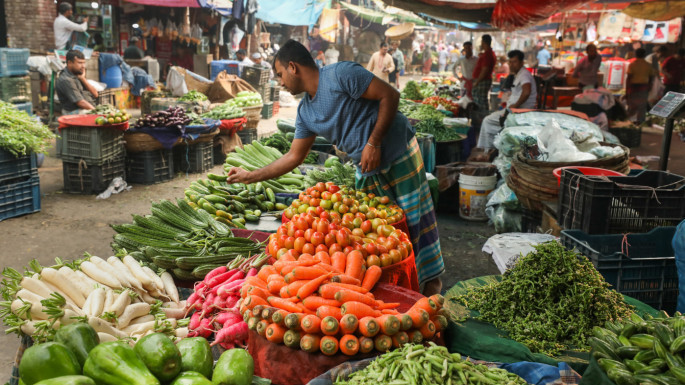
Traders report that increased imports have prompted stockpilers to release supplies, impacting retail markets. For instance, in Dhaka’s Karwan Bazar, Tejkunipara, and Mohakhali markets, premium varieties like Nazirshail are now selling for 78-88 BDT per kilogram, down from 80-90 BDT the previous week. Similarly, Miniket rice prices have decreased to 76-80 BDT from 78-80 BDT. Coarser varieties like Swarna now sell for 53-55 BDT, while BR-28 remains steady at 60-65 BDT per kilogram.
To stabilize the market, the government approved a proposal on January 7 to procure 50,000 tons of non-basmati rice from India. Earlier shipments from India included 24,690 tons of parboiled rice on December 25 and 26,935 tons on January 12. Private importers have also brought in smaller quantities. Additionally, 22,000 tons of Atap rice arrived from Myanmar yesterday, marking the first consignment under the interim government’s procurement initiative. Pakistan is also set to supply 50,000 tons of Atap rice, following recent approval from the government.
This fiscal year, the Ministry of Food aims to import 800,000 tons of rice to meet national demand, requesting additional budget allocations to support these imports. The increased supply has led to stockpilers and millers releasing more rice, contributing to the slight drop in prices. Retailers believe continued imports will help stabilize the market further. However, prices are unlikely to return to levels seen two months ago, as rice costs had surged by around 10 BDT per kilogram during that period.