Dhaka 10:34 am, Saturday, 17 January 2026

Khaleda Zia Faced Deliberate Neglect in Medical Care, Says Prof. F. M. Siddiqui

Staff Correspondent :
  • Update Time : 05:08:46 pm, Friday, 16 January 2026
  • / 26 Time View

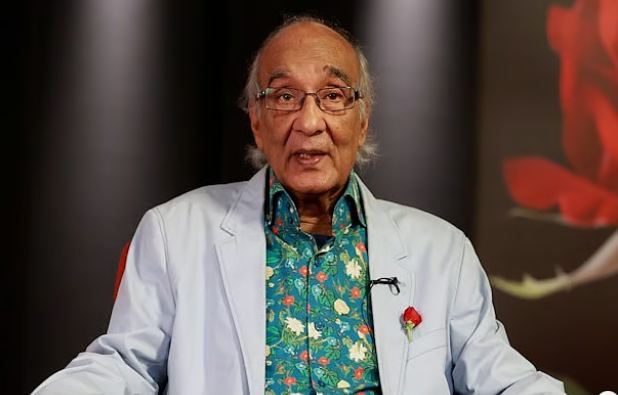
Former Prime Minister Khaleda Zia was subjected to what he described as “wilful negligence” during her medical treatment, according to Professor F. M. Siddiqui, who headed the medical board formed to oversee her care.

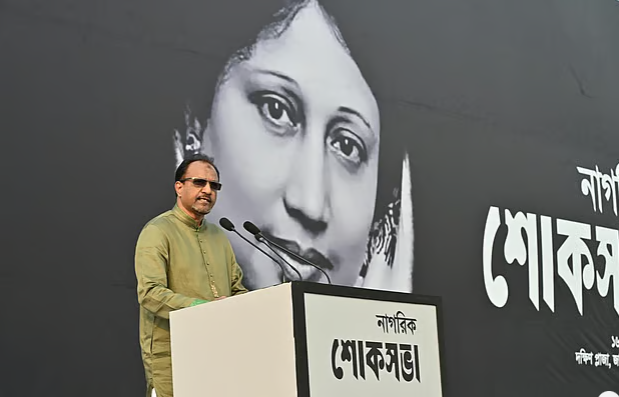
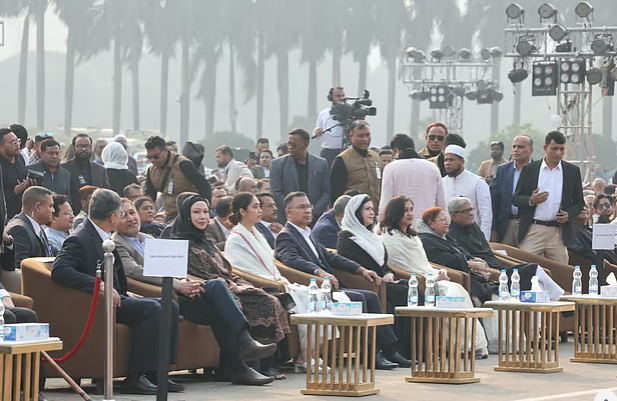
Speaking at a civic condolence gathering organised by members of civil society in Khaleda Zia’s memory, Prof. Siddiqui said that medical errors and prolonged neglect led to a rapid deterioration of her liver condition, ultimately pushing her towards death. The event was held on Friday afternoon at the South Plaza of the National Parliament complex.

Prof. Siddiqui stated that after Khaleda Zia was admitted to Evercare Hospital on April 27, 2021, with complications related to Covid-19, the current medical board took over responsibility for her treatment. He remained directly involved in her care until her death on December 30.

Recalling his experience, he said that immediately after her admission under their supervision, routine examinations revealed—much to their shock and concern—that Khaleda Zia was suffering from liver cirrhosis. However, her discharge documents from a medical university had instructed continued use of methotrexate, a drug prescribed for arthritis, and she had been given the medication even during hospitalisation. The drug was discontinued immediately after the issue was detected.

Prof. Siddiqui explained that Khaleda Zia had rheumatoid arthritis and had been taking methotrexate based on specialist advice, while also suffering from metabolic associated fatty liver disease (MAFLD). He emphasised that diagnosing liver disease in such a case is relatively straightforward and does not require specialist expertise.

According to him, patients taking methotrexate must undergo regular liver function tests, and any abnormal results should prompt immediate discontinuation of the drug along with at least an abdominal ultrasound to assess liver health. Despite abnormal liver function results, he alleged that government-appointed physicians neither stopped the medication nor arranged an ultrasound examination.

He noted that due to a lack of trust in the then treating physicians, Khaleda Zia had declined ultrasound imaging at that facility. However, given the seriousness of her condition, a bedside ultrasound through a trusted physician could easily have been arranged, or at the very least, the medication should have been stopped.

Addressing public speculation about whether Khaleda Zia was given a “slow poison,” Prof. Siddiqui said methotrexate aggravated her fatty liver condition and ultimately led to cirrhosis, making it effectively a “slow poison” for her liver.

He further said that millions of people across the country now share a deep sense of regret—wishing that a leader who sacrificed so much of her life for democracy and voting rights had lived a little longer to witness citizens freely exercising those rights.

Prof. Siddiqui concluded that the negligence in Khaleda Zia’s treatment, particularly the rapid decline in her liver function, amounted to wilful negligence, which he described as an unforgivable offence. He said it should be investigated whether this negligence was part of a broader, deliberate plan leading to her death. He also claimed that the medical board possesses clear evidence of negligence in the management of her diabetes and arthritis.

He called for a high-powered legal investigation committee to thoroughly examine three key issues:

  1. the composition and qualifications of the government-formed medical board and whether its members failed in their duties;

  2. the identity and responsibility of doctors involved during her hospital stay and whether negligence can be established;

  3. why Khaleda Zia’s request—made through her lawyers—to include her personal physicians during treatment at the medical university was not honoured, and who obstructed that process.

Prof. Siddiqui expressed hope that the government would immediately engage with Khaleda Zia’s family and take necessary legal steps to address these issues.
Tag :

Please Share This Post in Your Social Media

Khaleda Zia Faced Deliberate Neglect in Medical Care, Says Prof. F. M. Siddiqui

Update Time : 05:08:46 pm, Friday, 16 January 2026

Former Prime Minister Khaleda Zia was subjected to what he described as “wilful negligence” during her medical treatment, according to Professor F. M. Siddiqui, who headed the medical board formed to oversee her care.

Speaking at a civic condolence gathering organised by members of civil society in Khaleda Zia’s memory, Prof. Siddiqui said that medical errors and prolonged neglect led to a rapid deterioration of her liver condition, ultimately pushing her towards death. The event was held on Friday afternoon at the South Plaza of the National Parliament complex.

Prof. Siddiqui stated that after Khaleda Zia was admitted to Evercare Hospital on April 27, 2021, with complications related to Covid-19, the current medical board took over responsibility for her treatment. He remained directly involved in her care until her death on December 30.

Recalling his experience, he said that immediately after her admission under their supervision, routine examinations revealed—much to their shock and concern—that Khaleda Zia was suffering from liver cirrhosis. However, her discharge documents from a medical university had instructed continued use of methotrexate, a drug prescribed for arthritis, and she had been given the medication even during hospitalisation. The drug was discontinued immediately after the issue was detected.

Prof. Siddiqui explained that Khaleda Zia had rheumatoid arthritis and had been taking methotrexate based on specialist advice, while also suffering from metabolic associated fatty liver disease (MAFLD). He emphasised that diagnosing liver disease in such a case is relatively straightforward and does not require specialist expertise.

According to him, patients taking methotrexate must undergo regular liver function tests, and any abnormal results should prompt immediate discontinuation of the drug along with at least an abdominal ultrasound to assess liver health. Despite abnormal liver function results, he alleged that government-appointed physicians neither stopped the medication nor arranged an ultrasound examination.

He noted that due to a lack of trust in the then treating physicians, Khaleda Zia had declined ultrasound imaging at that facility. However, given the seriousness of her condition, a bedside ultrasound through a trusted physician could easily have been arranged, or at the very least, the medication should have been stopped.

Addressing public speculation about whether Khaleda Zia was given a “slow poison,” Prof. Siddiqui said methotrexate aggravated her fatty liver condition and ultimately led to cirrhosis, making it effectively a “slow poison” for her liver.

He further said that millions of people across the country now share a deep sense of regret—wishing that a leader who sacrificed so much of her life for democracy and voting rights had lived a little longer to witness citizens freely exercising those rights.

Prof. Siddiqui concluded that the negligence in Khaleda Zia’s treatment, particularly the rapid decline in her liver function, amounted to wilful negligence, which he described as an unforgivable offence. He said it should be investigated whether this negligence was part of a broader, deliberate plan leading to her death. He also claimed that the medical board possesses clear evidence of negligence in the management of her diabetes and arthritis.

He called for a high-powered legal investigation committee to thoroughly examine three key issues:

  1. the composition and qualifications of the government-formed medical board and whether its members failed in their duties;

  2. the identity and responsibility of doctors involved during her hospital stay and whether negligence can be established;

  3. why Khaleda Zia’s request—made through her lawyers—to include her personal physicians during treatment at the medical university was not honoured, and who obstructed that process.

Prof. Siddiqui expressed hope that the government would immediately engage with Khaleda Zia’s family and take necessary legal steps to address these issues.