Dhaka 1:03 pm, Thursday, 26 February 2026

Seven Women, Including Rumeen, Tahsinah and Shama, Win Seats

Staff Correspondent:
  • Update Time : 05:36:31 am, Friday, 13 February 2026
  • / 116 Time View

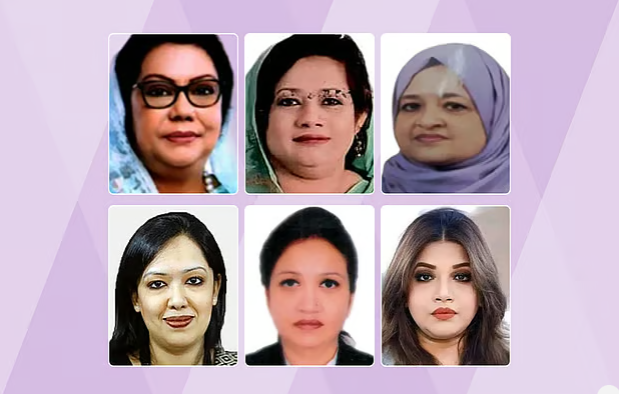
Vote counting is underway in Bangladesh’s 13th parliamentary election, with unofficial results announced for 258 constituencies so far. As of 10:30 a.m. on Friday, seven female candidates have reportedly secured victory.

An analysis of the results shows that 85 women contested in this election. Of them, seven have won seats to date.

In Manikganj-3 (Saturia, Manikganj Municipality, and eight unions of the district সদর), BNP candidate Afroza Khanam won unofficially with 167,345 votes under the party’s “sheaf of paddy” symbol. Her closest rival, Muhammad Saeed Noor of Bangladesh Khelafat Majlis, received 64,242 votes.

In Jhalokathi-2 (Jhalokathi Sadar–Nalchity), BNP alliance candidate Israt Sultana Elen Bhutto secured 113,100 votes across 147 polling centers, including postal ballots. Her nearest competitor, SM Neamul Karim of Jamaat-e-Islami, received 69,805 votes.

In Sylhet-2 (Biswanath and Osmaninagar), Tahsinah Rushdi (Luna), wife of the missing BNP leader M. Ilias Ali, won by a margin of 79,321 votes. She obtained 117,956 votes, while her nearest opponent, Muhammad Muntachir Ali of Khelafat Majlis under the 11-party alliance, received 38,635 votes. Among 33 candidates in six Sylhet constituencies, she was the only woman.

In Brahmanbaria-2 (Sarail, Ashuganj, and parts of Bijoynagar), independent candidate Rumeen Farhana won by a significant margin with 117,495 votes. She defeated her nearest rival, Junaid Al Habib of Jamiat Ulema-e-Islam from the BNP alliance, by 37,568 votes.

Additionally, BNP candidates Farzana Sharmin (Natore-1), Shama Obaed (Faridpur-2), and Nayab Yusuf Ahmed (Faridpur-3) have also been declared unofficial winners.

A total of 2,017 candidates contested the 300 parliamentary seats this year. According to the final list published by the Election Commission after the January 20 withdrawal deadline, women accounted for 84 candidates—around 4 percent of the total. Of them, 66 ran under party nominations and 19 as independents. One candidate represented the transgender community.

Reviewing affidavits submitted to the Election Commission reveals that 64 of the female candidates—approximately 75 percent—hold undergraduate or postgraduate degrees. The largest age group among them was between 25 and 39 years, totaling 32 candidates. Professionally, nearly 67 percent of the women candidates are engaged in various occupations.

Tag :

Please Share This Post in Your Social Media

Seven Women, Including Rumeen, Tahsinah and Shama, Win Seats

Update Time : 05:36:31 am, Friday, 13 February 2026

Vote counting is underway in Bangladesh’s 13th parliamentary election, with unofficial results announced for 258 constituencies so far. As of 10:30 a.m. on Friday, seven female candidates have reportedly secured victory.

An analysis of the results shows that 85 women contested in this election. Of them, seven have won seats to date.

In Manikganj-3 (Saturia, Manikganj Municipality, and eight unions of the district সদর), BNP candidate Afroza Khanam won unofficially with 167,345 votes under the party’s “sheaf of paddy” symbol. Her closest rival, Muhammad Saeed Noor of Bangladesh Khelafat Majlis, received 64,242 votes.

In Jhalokathi-2 (Jhalokathi Sadar–Nalchity), BNP alliance candidate Israt Sultana Elen Bhutto secured 113,100 votes across 147 polling centers, including postal ballots. Her nearest competitor, SM Neamul Karim of Jamaat-e-Islami, received 69,805 votes.

In Sylhet-2 (Biswanath and Osmaninagar), Tahsinah Rushdi (Luna), wife of the missing BNP leader M. Ilias Ali, won by a margin of 79,321 votes. She obtained 117,956 votes, while her nearest opponent, Muhammad Muntachir Ali of Khelafat Majlis under the 11-party alliance, received 38,635 votes. Among 33 candidates in six Sylhet constituencies, she was the only woman.

In Brahmanbaria-2 (Sarail, Ashuganj, and parts of Bijoynagar), independent candidate Rumeen Farhana won by a significant margin with 117,495 votes. She defeated her nearest rival, Junaid Al Habib of Jamiat Ulema-e-Islam from the BNP alliance, by 37,568 votes.

Additionally, BNP candidates Farzana Sharmin (Natore-1), Shama Obaed (Faridpur-2), and Nayab Yusuf Ahmed (Faridpur-3) have also been declared unofficial winners.

A total of 2,017 candidates contested the 300 parliamentary seats this year. According to the final list published by the Election Commission after the January 20 withdrawal deadline, women accounted for 84 candidates—around 4 percent of the total. Of them, 66 ran under party nominations and 19 as independents. One candidate represented the transgender community.

Reviewing affidavits submitted to the Election Commission reveals that 64 of the female candidates—approximately 75 percent—hold undergraduate or postgraduate degrees. The largest age group among them was between 25 and 39 years, totaling 32 candidates. Professionally, nearly 67 percent of the women candidates are engaged in various occupations.