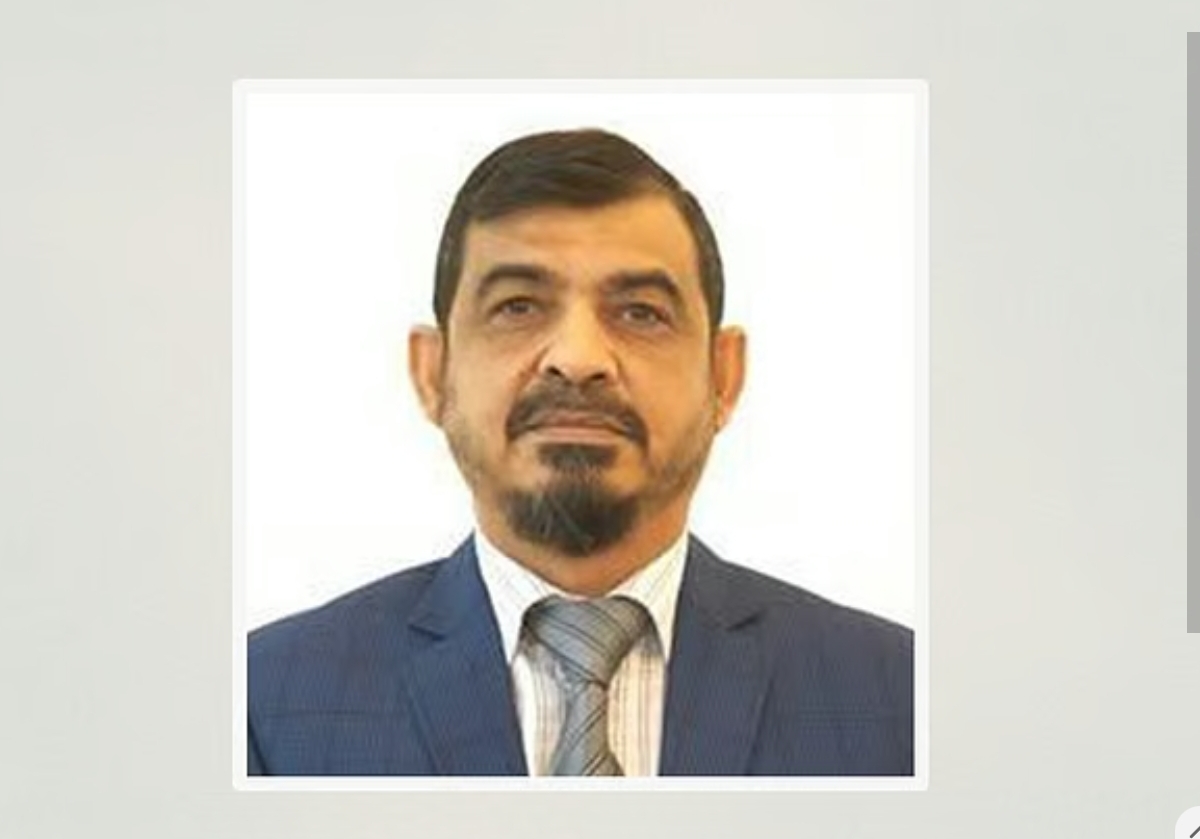
Mirza Abbas may be taken into consideration for the Ministry of Road Transport and Bridges
BNP Forms Cabinet Blending New Faces and Seasoned Leaders

- Update Time : 11:10:01 am, Saturday, 14 February 2026
- / 314 Time View


BNP Set to Form Government with Blend of Experience and Youth
After securing a majority in the 13th National Parliamentary Election, the Bangladesh Nationalist Party (BNP) is preparing to form the next government under the leadership of Tarique Rahman. The party has almost finalized the outline of its new cabinet, aiming to combine seasoned political figures with emerging leaders from the younger generation.
Party insiders say the focus is on creating a balanced cabinet that merges experience with fresh perspectives. The new administration intends to prioritize fulfilling election pledges, accelerating administrative reforms, introducing innovative policymaking, and cultivating new leadership within the party.
Several ministers who served during the 2001–2006 BNP government are reportedly under consideration for cabinet roles again. According to party sources, individuals who maintained clean reputations and led ministries without controversy in the past are being seriously evaluated for key positions.
Among the names being discussed:
BNP Secretary General Mirza Fakhrul Islam Alamgir is reportedly being considered for the presidency.
Standing Committee member Abdul Moyeen Khan may become Speaker of Parliament.
Mirza Abbas is being considered for the Road Transport and Bridges Ministry.
Salahuddin Ahmed for the Local Government Ministry.
Amir Khasru Mahmud Chowdhury for the Commerce Ministry.
A N M Ehsanul Haque Milon for the Education Ministry.
Standing Committee members Goyeshwar Chandra Roy and Iqbal Hasan Mahmud Tuku are also being considered. Meanwhile, Nazrul Islam Khan may serve as Political Adviser to the Prime Minister.
New Faces Likely in Cabinet
The upcoming cabinet is also expected to feature several new figures.
Ruhul Kabir Rizvi is being considered for the Information and Broadcasting Ministry as a technocrat. Ismail Zabiullah, a member of the Chairperson’s Advisory Council, may take charge of the Public Administration Ministry. Joint Secretary General Shahid Uddin Chowdhury Annie is being discussed for the position of State Minister for Home Affairs. Humayun Kabir, foreign affairs adviser to the party chairperson, may become State Minister for Foreign Affairs under the technocrat quota.
Dr. A Z M Zahid Hossain is also under discussion, while Advocate Fazlur Rahman may be assigned the Liberation War Affairs Ministry.
Allies from Joint Movement to Be Included
BNP had earlier pledged to form a national government alongside parties that participated in the joint anti-government movement. Leaders from allied parties are therefore expected to be included in the cabinet.
Those reportedly under consideration include Bobby Hajjaj, BJP Chairman Andaleeve Rahman Partho, and Nurul Haque Nur of Gono Odhikar Parishad. Reza Kibria may receive the Finance Ministry portfolio. Under the technocrat quota, 12-party alliance leader Mostafa Jamal Haider is also being discussed.
Constitutional Process for Government Formation
Under the Constitution, the formation of a new government begins with the swearing-in of newly elected Members of Parliament. The President appoints the Prime Minister based on majority support in Parliament. After taking oath, the Prime Minister proceeds with forming the cabinet.
The final size of the cabinet will be determined by the majority party.
BNP Standing Committee members confirmed that discussions regarding cabinet formation are ongoing, and final decisions may be announced within the next couple of days.
Secretary General Mirza Fakhrul Islam Alamgir has indicated that the new government could be formed by February 15.
Gazette Publication Marks Next Step
Following the announcement of election results by the Election Commission, attention shifted to the official gazette notification, which has now been published.
Before the new cabinet can take oath, the Election Commission must formally publish the gazette. Afterward, the President will summon the first session of Parliament, and the new legislature will formally begin its journey through the swearing-in process.
According to Article 148 of the Constitution, newly elected MPs must take oath within three days of gazette publication. This timeline begins from the date of gazette issuance, not from the initial results announcement. Traditionally, the Speaker administers the oath.
However, after the 2024 mass uprising, Speaker Shirin Sharmin Chaudhury resigned on September 2. Former Deputy Speaker Shamsul Haque Tuku remains in prison and has not resigned.
In such circumstances, if both the Speaker and Deputy Speaker are unavailable, the Chief Election Commissioner may administer the oath between the fourth and seventh day after gazette publication.
BNP Secures Landslide Victory
The Election Commission released preliminary results for 297 constituencies. Although voting took place in 299 seats, results for Chattogram-2 and Chattogram-4 were suspended due to pending legal issues involving winning candidates.
According to initial results:
BNP won 209 seats.
Jamaat-e-Islami secured 68 seats.
NCP won 6 seats.
Bangladesh Khelafat Majlis secured 2 seats.
Independent candidates won 7 seats.
Among smaller parties, Islami Andolon Bangladesh, Gono Odhikar Parishad, Gono Sanghati Andolon, Bangladesh Jatiya Party, and Khelafat Majlis each secured one seat.
Election Commission officials reported a voter turnout of 59.44 percent. Out of 127,711,793 registered voters, 75,359,684 cast their ballots. A total of 2,028 candidates from 50 political parties and independent groups contested across 299 constituencies.
The complete results were officially announced at 3:50 pm. Chief Election Commissioner A M M Nasir Uddin stated that the inclusion of referendums and postal ballots slightly delayed the final results but emphasized that there was no scope for manipulation or irregularities.