Dhaka 4:13 am, Saturday, 21 February 2026

The State Will Be Governed by Rule of Law, Not Party Influence

Staff Correspondent:
  • Update Time : 03:57:15 am, Thursday, 19 February 2026
  • / 38 Time View

Prime Minister Addresses the Nation

State to Be Governed by Rule of Law, Not Partisan Influence


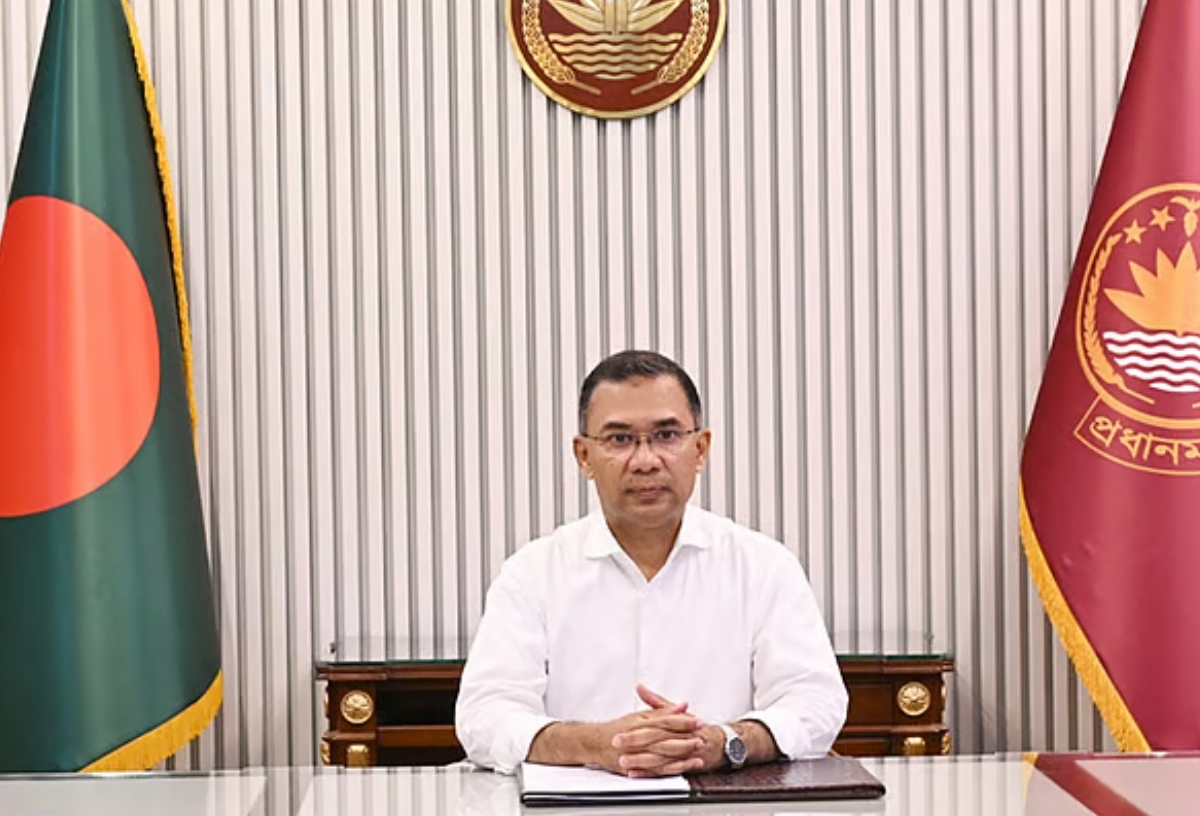
On Wednesday night, Prime Minister Tarique Rahman delivered his first televised address to the nation after assuming office. The speech was broadcast on Bangladesh Television and other private TV channels.


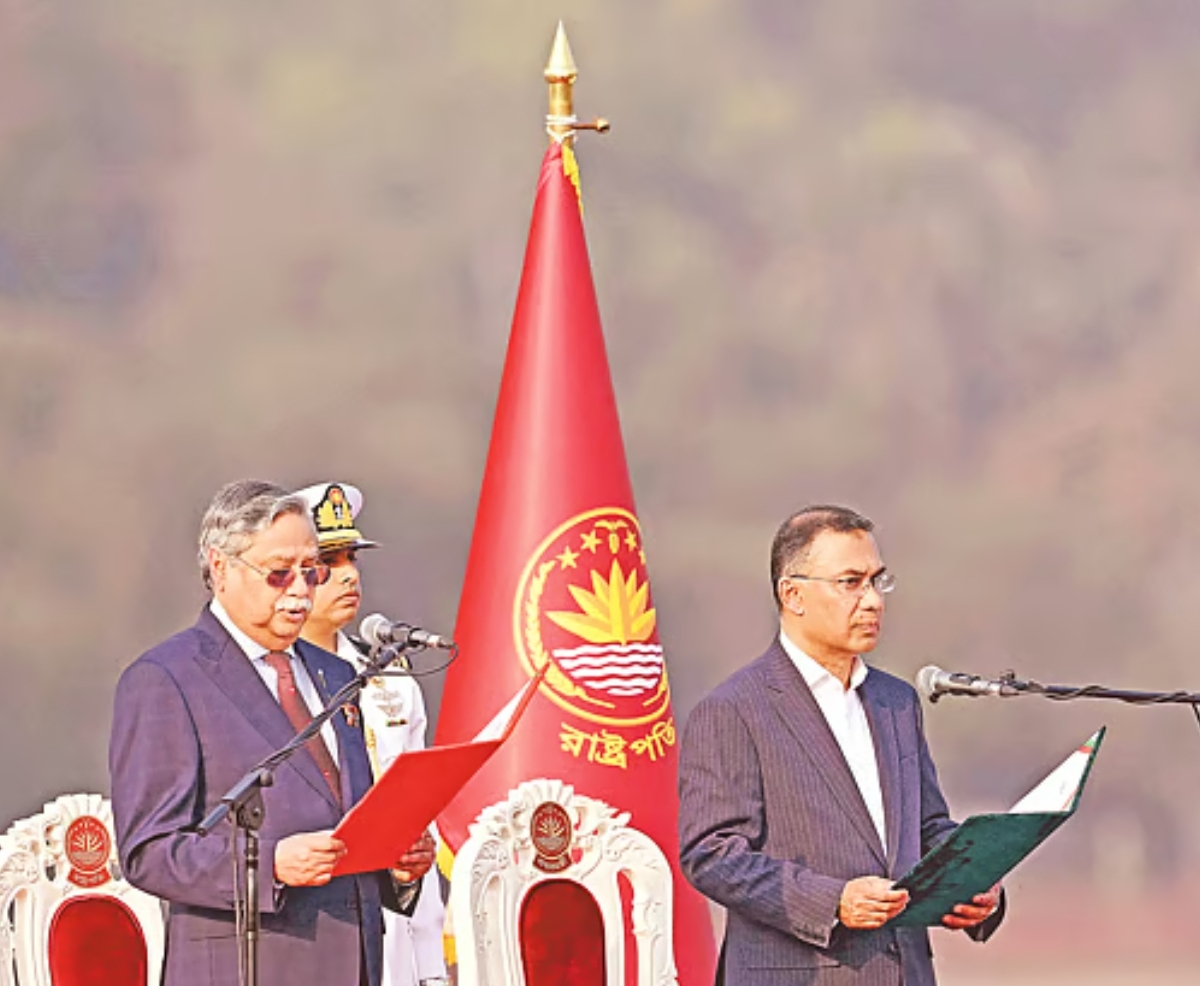
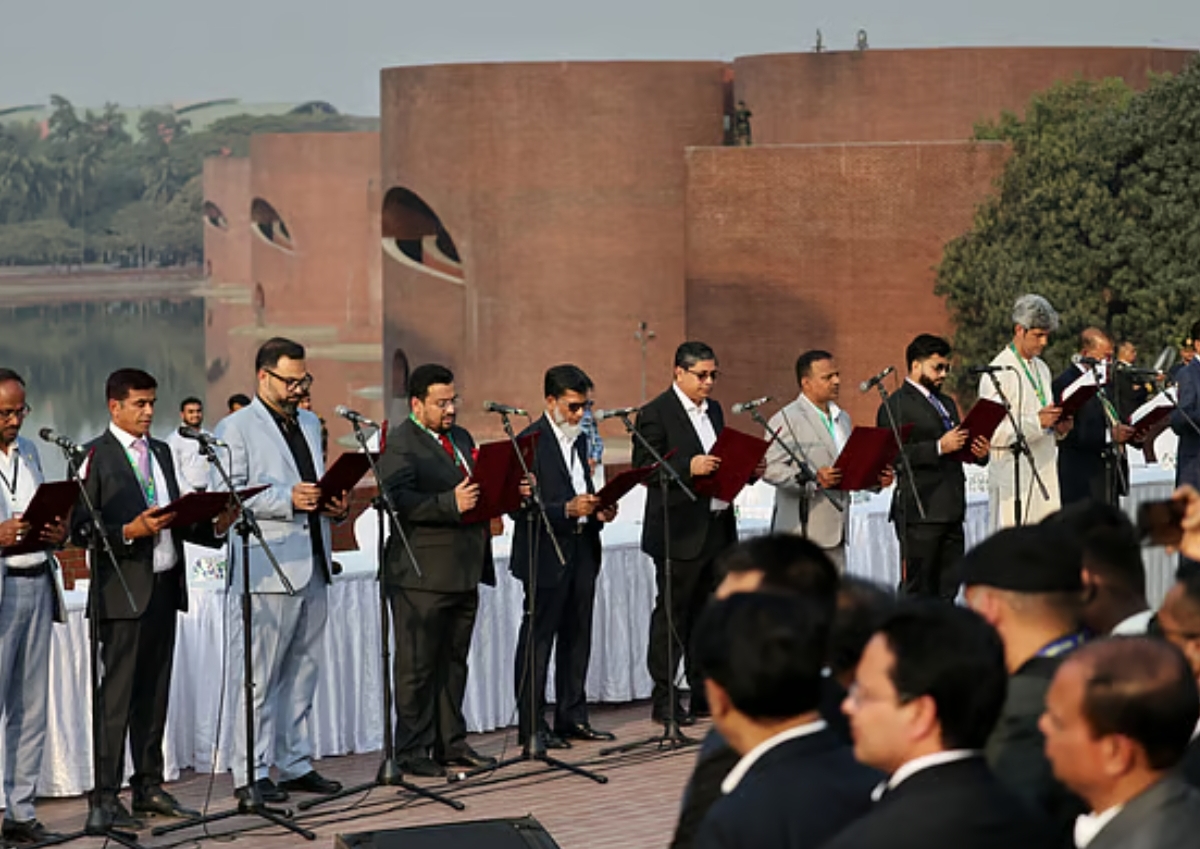
Having taken the oath as Prime Minister a day earlier, Rahman chaired the first cabinet meeting at the Secretariat on Wednesday afternoon before speaking to the country later that night.


Restoring Law, Order and Economic Stability


In his address, the Prime Minister said the new government’s foremost priority is to restore public confidence by improving law and order and taking firm action against corruption. He emphasized that governance would be guided strictly by legal principles, not by political pressure or partisan power.


Rahman noted that the administration has begun its journey amid economic fragility, weakened institutions, and deteriorating public security. He pledged decisive measures to stabilize the situation and ensure accountability.


Message of Unity and Equal Rights


Referring to the country’s hard-won independence, he said the new government is committed to safeguarding sovereignty and democratic values. He stressed that Bangladesh belongs to all citizens—regardless of religion, ethnicity, political belief, or place of residence—and vowed to build a safe, self-reliant, and humane democratic state.


Addressing voters and non-voters alike, Rahman said every citizen holds equal rights under the new administration. “Political identity may differ, but the state belongs to all,” he stated.


Ramadan Greetings and Market Oversight


Extending greetings for the holy month of Ramadan, the Prime Minister urged businesses not to exploit the season for excessive profit. He called on traders to keep essential commodity prices within public reach.


He also directed relevant authorities to ensure uninterrupted supply of gas, water, and electricity during key Ramadan hours, including iftar, tarawih, and sehri.


Anti-Corruption and Institutional Reform


Rahman reaffirmed the government’s commitment to dismantling corruption networks and restoring transparency in public institutions. He invited constructive suggestions from both consumers and business communities to help stabilize markets while protecting mutual interests.


He announced that Members of Parliament from his party would refrain from importing tax-free vehicles or taking government plots as privileges, describing the move as an example of ethical leadership and financial restraint.


Youth, Employment and Public Safety


The Prime Minister pledged comprehensive support for students and young people to enhance their skills in education, science, and technology. He also committed to expanding employment opportunities and ensuring a conducive work environment.


Identifying gambling and drug abuse as major contributors to declining law and order, he said strict enforcement measures are already underway nationwide.


Transport and Urban Decongestion Plan


Highlighting severe traffic congestion, especially in Dhaka, Rahman said the government is considering major reforms to modernize and expand the national railway network. By strengthening rail connectivity across the country, he explained, people could live in their home districts while commuting efficiently for work or business, reducing pressure on the capital.


As part of this initiative, the activities of rail, road, bridge, and water transport ministries are being reorganized and coordinated. A safer, affordable, and efficient rail system, he added, would not only ease urban congestion but also benefit the environment.


Concluding his speech, the Prime Minister reiterated that all constitutional and public institutions would function under established laws and regulations. “The rule of law,” he declared, “will remain the ultimate guiding principle of the state.”


Tag :

Please Share This Post in Your Social Media

The State Will Be Governed by Rule of Law, Not Party Influence

Update Time : 03:57:15 am, Thursday, 19 February 2026

Prime Minister Addresses the Nation

State to Be Governed by Rule of Law, Not Partisan Influence


On Wednesday night, Prime Minister Tarique Rahman delivered his first televised address to the nation after assuming office. The speech was broadcast on Bangladesh Television and other private TV channels.


Having taken the oath as Prime Minister a day earlier, Rahman chaired the first cabinet meeting at the Secretariat on Wednesday afternoon before speaking to the country later that night.


Restoring Law, Order and Economic Stability


In his address, the Prime Minister said the new government’s foremost priority is to restore public confidence by improving law and order and taking firm action against corruption. He emphasized that governance would be guided strictly by legal principles, not by political pressure or partisan power.


Rahman noted that the administration has begun its journey amid economic fragility, weakened institutions, and deteriorating public security. He pledged decisive measures to stabilize the situation and ensure accountability.


Message of Unity and Equal Rights


Referring to the country’s hard-won independence, he said the new government is committed to safeguarding sovereignty and democratic values. He stressed that Bangladesh belongs to all citizens—regardless of religion, ethnicity, political belief, or place of residence—and vowed to build a safe, self-reliant, and humane democratic state.


Addressing voters and non-voters alike, Rahman said every citizen holds equal rights under the new administration. “Political identity may differ, but the state belongs to all,” he stated.


Ramadan Greetings and Market Oversight


Extending greetings for the holy month of Ramadan, the Prime Minister urged businesses not to exploit the season for excessive profit. He called on traders to keep essential commodity prices within public reach.


He also directed relevant authorities to ensure uninterrupted supply of gas, water, and electricity during key Ramadan hours, including iftar, tarawih, and sehri.


Anti-Corruption and Institutional Reform


Rahman reaffirmed the government’s commitment to dismantling corruption networks and restoring transparency in public institutions. He invited constructive suggestions from both consumers and business communities to help stabilize markets while protecting mutual interests.


He announced that Members of Parliament from his party would refrain from importing tax-free vehicles or taking government plots as privileges, describing the move as an example of ethical leadership and financial restraint.


Youth, Employment and Public Safety


The Prime Minister pledged comprehensive support for students and young people to enhance their skills in education, science, and technology. He also committed to expanding employment opportunities and ensuring a conducive work environment.


Identifying gambling and drug abuse as major contributors to declining law and order, he said strict enforcement measures are already underway nationwide.


Transport and Urban Decongestion Plan


Highlighting severe traffic congestion, especially in Dhaka, Rahman said the government is considering major reforms to modernize and expand the national railway network. By strengthening rail connectivity across the country, he explained, people could live in their home districts while commuting efficiently for work or business, reducing pressure on the capital.


As part of this initiative, the activities of rail, road, bridge, and water transport ministries are being reorganized and coordinated. A safer, affordable, and efficient rail system, he added, would not only ease urban congestion but also benefit the environment.


Concluding his speech, the Prime Minister reiterated that all constitutional and public institutions would function under established laws and regulations. “The rule of law,” he declared, “will remain the ultimate guiding principle of the state.”