Dhaka 5:43 am, Tuesday, 17 March 2026

Canal Excavation to Improve Irrigation for Agriculture

Staff Correspondent:
  • Update Time : 04:39:39 am, Monday, 16 March 2026
  • / 47 Time View

The BNP had pledged to excavate 20,000 kilometers of canals over five years to expand irrigation facilities for agricultural land. After winning the election and forming the government, the canal excavation program officially begins today, Monday.

In the first phase, four agencies under three ministries will excavate 1,204 kilometers of canals. The work will be carried out under existing development projects, while preparations are also underway to launch new projects.

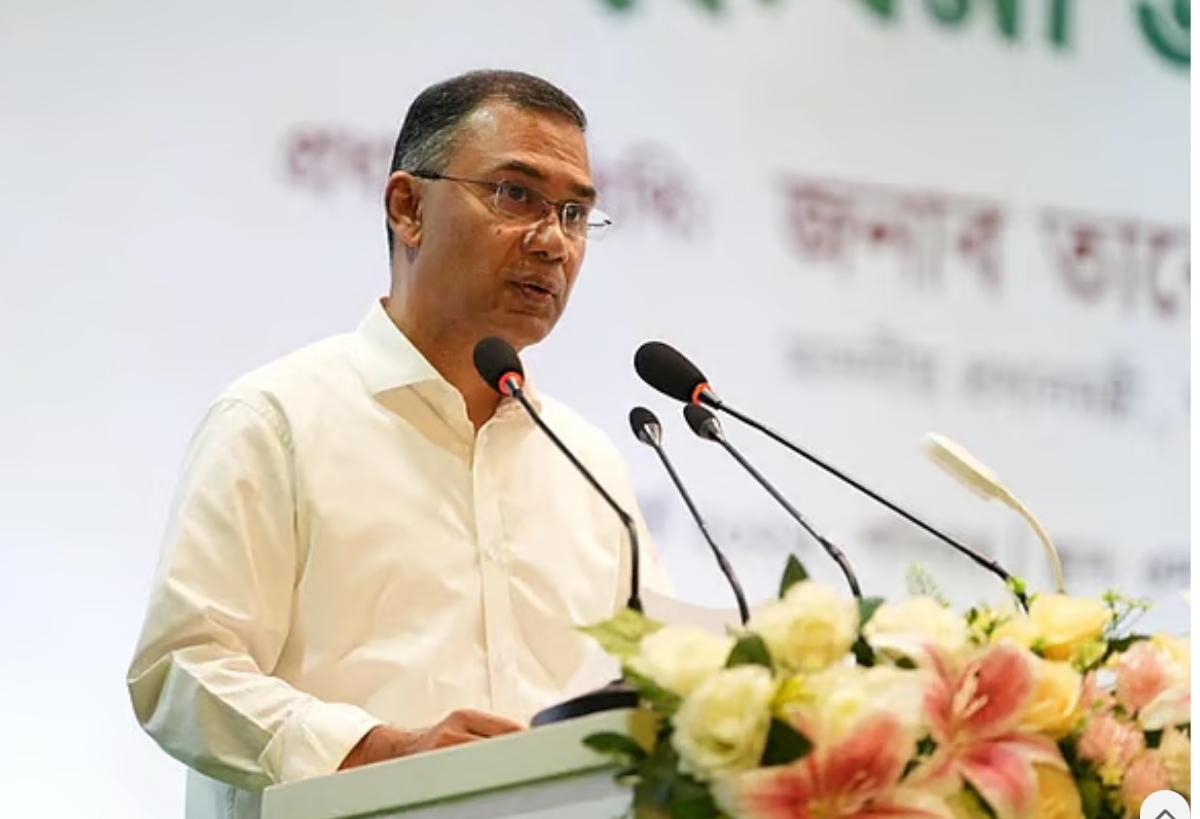
Prime Minister Tarique Rahman will inaugurate the program this morning by starting excavation of the Sahapara Canal in Kaharol upazila of Dinajpur district. At the same time, similar activities will begin in 54 districts across the country. Ministers, advisers to the prime minister, the chief whip, state ministers, and members of parliament will launch the canal works in their respective areas.

A nationwide canal excavation initiative had previously been introduced in 1977 during the presidency of Ziaur Rahman. In its latest election manifesto, BNP pledged to revive the “voluntary canal excavation program” initiated by the former president. The plan aims to mobilize public participation and voluntary labor to excavate, re-excavate, and restore 20,000 kilometers of canals. The initiative also seeks to revive 520 lost rivers, thousands of canals, and restore their natural water flow while improving irrigation efficiency across the country.

According to government officials, an inter-ministerial meeting led by the Water Resources Secretary was held on March 9 to finalize the initial steps. From March to June, the Bangladesh Water Development Board (BWDB) will excavate 318 km, the Bangladesh Agricultural Development Corporation (BADC) 458 km, the Barind Multipurpose Development Authority (BMDA) 11 km, and the Local Government Engineering Department (LGED) 417 km of canals.

Officials said that starting next year, new development projects will be taken by these agencies to meet the target of 20,000 kilometers within five years. Discussions are ongoing to determine how much work each organization will undertake.

BWDB Chief Engineer (Monitoring) Aminul Islam said the project is expected to increase irrigated farmland, improve water retention capacity, and ensure smooth water flow from canal sources to rivers. Overall, it is intended to benefit agriculture, fisheries, and the environment. The initial excavation phase is expected to be completed before the upcoming monsoon season.

However, many canals have already become silted or filled up over time. Government documents do not provide an exact figure for the total number and length of canals in the country or how many have been lost. According to meeting records, BADC has excavated 14,620 kilometers of canals over the past 25 years, but about 9,370 kilometers are now partially or completely filled with sediment. Only 5,250 kilometers remain functional.

Agriculture Secretary Rafiq-ul-Mohammed emphasized that to make canal excavation sustainable, continuous water flow must be ensured from the canal’s source to its outlet. He also stressed the importance of coordination among the four implementing agencies to avoid overlapping efforts.

During another meeting chaired by Water Resources Minister Shahid Uddin Chowdhury Annie, the Water Resources Ministry was given the responsibility to coordinate the program. The minister expressed the goal of completing 20,000 kilometers of canal excavation within the next four years.

At a separate meeting on March 2, chaired by Prime Minister Tarique Rahman, a framework was presented outlining how much work each organization would undertake. The government plans to excavate 7,402 kilometers of canals under ongoing projects and 12,598 kilometers through new projects.

The plan also includes involving local residents in canal excavation alongside heavy machinery, which could help create employment opportunities. The prime minister also instructed officials to plant fruit trees along both sides of the excavated canals and ensure that the removed soil does not fall back into the waterways.

Water resources and climate expert Professor Ainun Nishat from BRAC University noted that canal excavation is a technical task that requires proper design and planning. According to him, it is essential to clearly define the objective—whether excavation itself is the goal or simply a method to achieve broader outcomes. Once the objectives are clearly established, excavation and re-excavation efforts can be more effective.
Tag :

Please Share This Post in Your Social Media

Canal Excavation to Improve Irrigation for Agriculture

Update Time : 04:39:39 am, Monday, 16 March 2026

The BNP had pledged to excavate 20,000 kilometers of canals over five years to expand irrigation facilities for agricultural land. After winning the election and forming the government, the canal excavation program officially begins today, Monday.

In the first phase, four agencies under three ministries will excavate 1,204 kilometers of canals. The work will be carried out under existing development projects, while preparations are also underway to launch new projects.

Prime Minister Tarique Rahman will inaugurate the program this morning by starting excavation of the Sahapara Canal in Kaharol upazila of Dinajpur district. At the same time, similar activities will begin in 54 districts across the country. Ministers, advisers to the prime minister, the chief whip, state ministers, and members of parliament will launch the canal works in their respective areas.

A nationwide canal excavation initiative had previously been introduced in 1977 during the presidency of Ziaur Rahman. In its latest election manifesto, BNP pledged to revive the “voluntary canal excavation program” initiated by the former president. The plan aims to mobilize public participation and voluntary labor to excavate, re-excavate, and restore 20,000 kilometers of canals. The initiative also seeks to revive 520 lost rivers, thousands of canals, and restore their natural water flow while improving irrigation efficiency across the country.

According to government officials, an inter-ministerial meeting led by the Water Resources Secretary was held on March 9 to finalize the initial steps. From March to June, the Bangladesh Water Development Board (BWDB) will excavate 318 km, the Bangladesh Agricultural Development Corporation (BADC) 458 km, the Barind Multipurpose Development Authority (BMDA) 11 km, and the Local Government Engineering Department (LGED) 417 km of canals.

Officials said that starting next year, new development projects will be taken by these agencies to meet the target of 20,000 kilometers within five years. Discussions are ongoing to determine how much work each organization will undertake.

BWDB Chief Engineer (Monitoring) Aminul Islam said the project is expected to increase irrigated farmland, improve water retention capacity, and ensure smooth water flow from canal sources to rivers. Overall, it is intended to benefit agriculture, fisheries, and the environment. The initial excavation phase is expected to be completed before the upcoming monsoon season.

However, many canals have already become silted or filled up over time. Government documents do not provide an exact figure for the total number and length of canals in the country or how many have been lost. According to meeting records, BADC has excavated 14,620 kilometers of canals over the past 25 years, but about 9,370 kilometers are now partially or completely filled with sediment. Only 5,250 kilometers remain functional.

Agriculture Secretary Rafiq-ul-Mohammed emphasized that to make canal excavation sustainable, continuous water flow must be ensured from the canal’s source to its outlet. He also stressed the importance of coordination among the four implementing agencies to avoid overlapping efforts.

During another meeting chaired by Water Resources Minister Shahid Uddin Chowdhury Annie, the Water Resources Ministry was given the responsibility to coordinate the program. The minister expressed the goal of completing 20,000 kilometers of canal excavation within the next four years.

At a separate meeting on March 2, chaired by Prime Minister Tarique Rahman, a framework was presented outlining how much work each organization would undertake. The government plans to excavate 7,402 kilometers of canals under ongoing projects and 12,598 kilometers through new projects.

The plan also includes involving local residents in canal excavation alongside heavy machinery, which could help create employment opportunities. The prime minister also instructed officials to plant fruit trees along both sides of the excavated canals and ensure that the removed soil does not fall back into the waterways.

Water resources and climate expert Professor Ainun Nishat from BRAC University noted that canal excavation is a technical task that requires proper design and planning. According to him, it is essential to clearly define the objective—whether excavation itself is the goal or simply a method to achieve broader outcomes. Once the objectives are clearly established, excavation and re-excavation efforts can be more effective.