
Tarique Rahman says he doesn’t see himself as the “mastermind” behind the July uprising
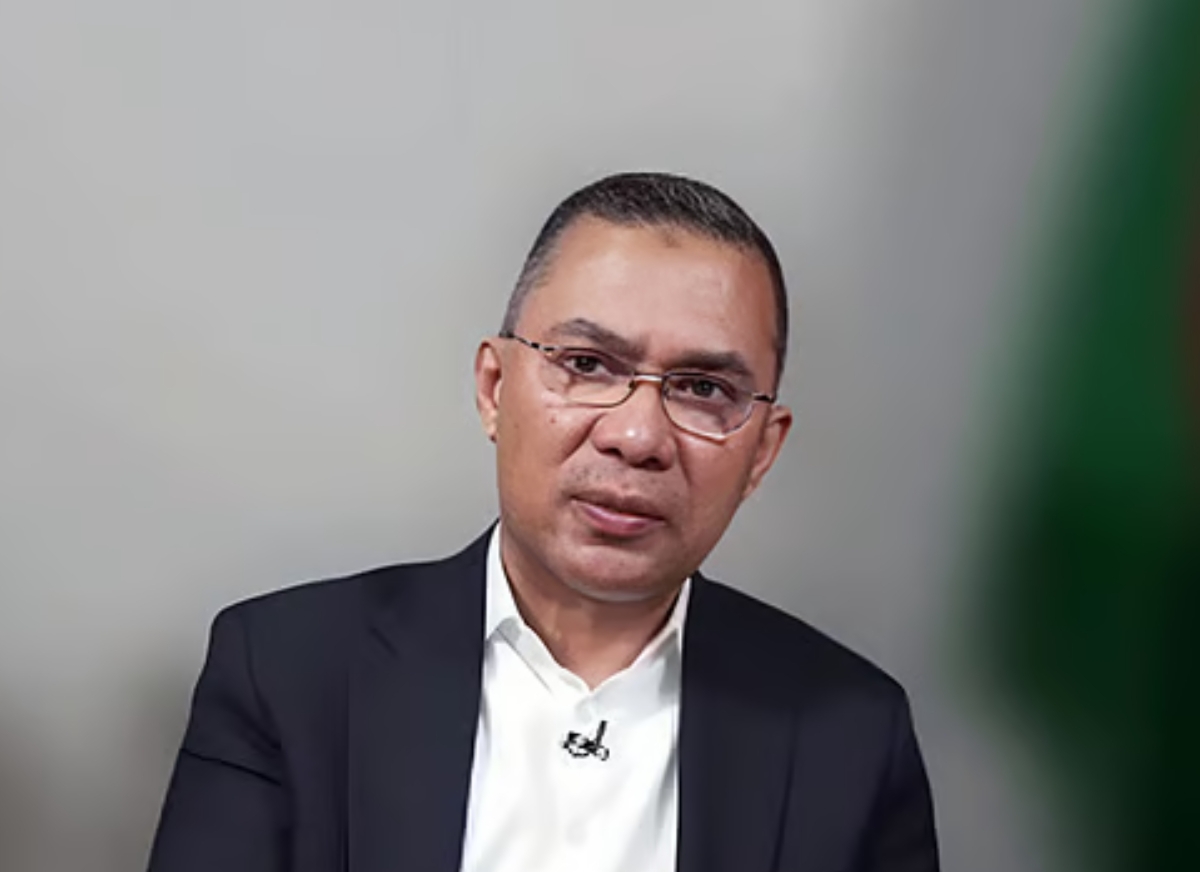 The July 2024 mass uprising brought an end to the Awami League’s fifteen-and-a-half-year rule. Although he was in London at the time, BNP’s acting chairman Tarique Rahman played an active role in various stages of the movement. Over the past year, several political figures have referred to him as the sole mastermind behind the uprising. However, Tarique Rahman has stated that he does not consider himself the mastermind of the July revolution.
Exiled in London since September 2008, Tarique Rahman recently gave an interview to BBC Bangla — his first media appearance in 17 years. In response to a question about his role in the movement, he said,
> “No individual or organization was the mastermind of the July movement — the true masterminds were the people of Bangladesh who longed for democracy.”
During the interview, he explained that the uprising’s success in July 2024 was the result of years of struggle by democratic political parties and their activists, including but not limited to the BNP. “Many leaders and workers from various democratic parties endured persecution and sacrifice. When July and August came, the people united across party lines to bring change,” he said.
Tarique Rahman noted that it wasn’t only political workers who took part — students, homemakers, farmers, laborers, shopkeepers, transport drivers, garment workers, and even retired military personnel joined the uprising. “We also saw journalists, many of whom had gone into exile to escape repression, take part in this movement. No one’s contribution should be diminished or overlooked,” he said.
He emphasized that the uprising belonged to the people of Bangladesh, transcending class, ideology, and political affiliation:
> “Those who believe in democracy — they are the true masterminds of this movement. Not any single party, not any one person.”
Asked about his communication with student leaders during the uprising, Rahman said that because he was abroad, he had to stay in touch through online channels, though communication was often disrupted by the authorities at the time.
When questioned about differing claims of credit for the movement, Rahman said,
> “This was an unforgettable chapter in our nation’s history. It was a movement of sacrifice — even children lost their lives. Around 63 children were martyred. The credit belongs to the people of Bangladesh, not to any one political group. Others may make claims, but that’s their choice.”
Speaking about the BNP’s position, he added that now the focus should be on supporting the families of those killed, injured, or disabled during the uprising. “More than two thousand people were killed, and about thirty thousand were injured or left disabled. It’s time for all — the state, the government, and political parties — to stand beside those families and honor their sacrifice.”
The interview was conducted by BBC Bangla’s editor Mir Sabbir and senior journalist Kadir Kallol. The first part, lasting over 44 minutes, was published on Monday morning, with the second part scheduled for release on Tuesday.
Publisher: Mustakim Nibir
Copyright © 2026 The Times OF Dhaka. All rights reserved. প্রিন্ট করুন
 সেভ করুন