Dhaka 2:17 am, Thursday, 26 March 2026

Extra Cost of Tk 330 Crore Incurred to Bring Two Diesel-Laden Ships

Reporter Name
  • Update Time : 05:12:12 am, Wednesday, 25 March 2026
  • / 30 Time View

The Bangladesh Petroleum Corporation (BPC) purchases fuel based on pricing benchmarks set by the Singapore-based agency Platts. The price per barrel is calculated using the average rate of five days — two days before loading, the day of loading, and two days after. As a result, any sharp rise in global oil prices within a short time is quickly reflected in import costs.

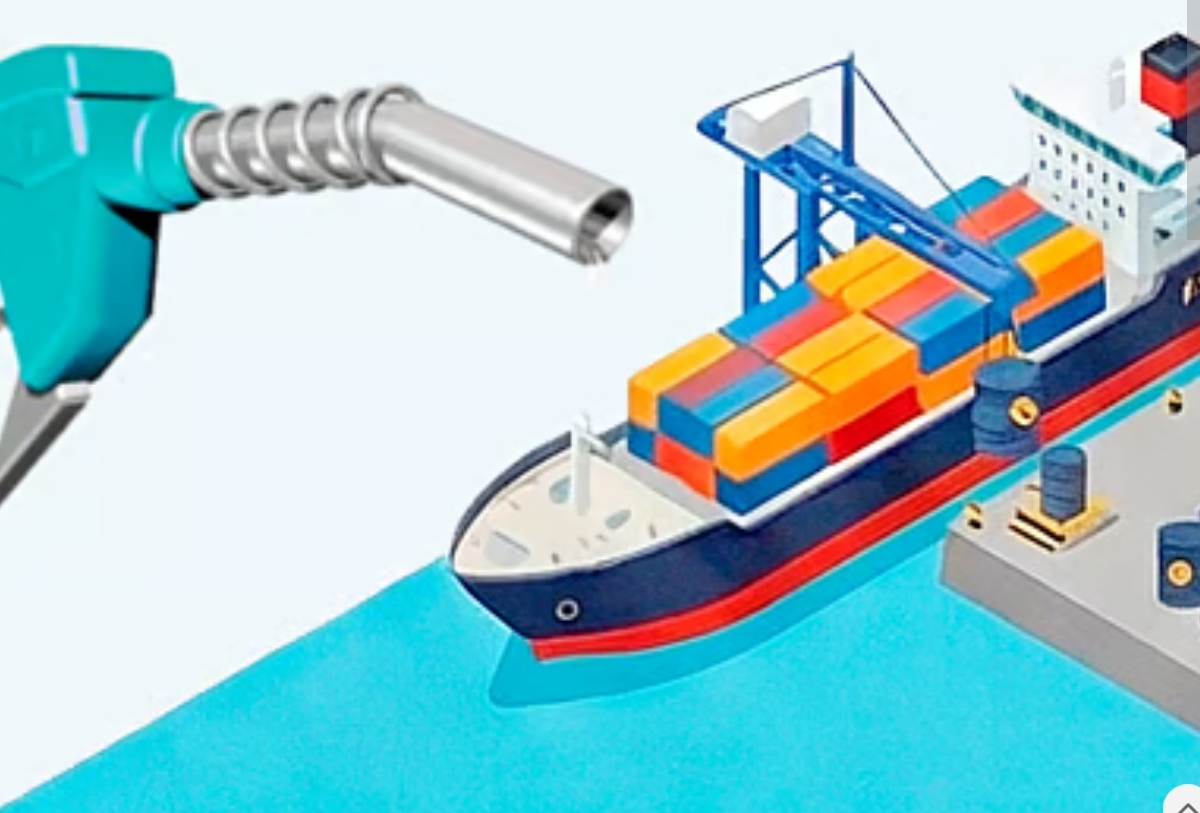
According to BPC data, on March 16, a vessel named MT Chang Hang Hong Tu brought in about 203,126 barrels of diesel. Before the conflict, the estimated cost for this shipment was around Tk 263 crore. However, due to a surge in global prices, the actual cost rose to approximately Tk 425 crore — an increase of about Tk 162 crore for a single shipment. The price per barrel reached $170.99.

A similar situation occurred with another vessel, MT Rafals Samurai, which arrived on March 14 carrying roughly 200,000 barrels of diesel. Its expected cost before the crisis was also around Tk 263 crore, but the final expense climbed to nearly Tk 431 crore. This resulted in an additional cost of about Tk 168 crore for that shipment.

BPC officials stated that since the conflict began, seven diesel shipments and one furnace oil shipment have reached the country. At least six of these shipments incurred extra costs, which together could exceed Tk 1,000 crore.

Experts suggest that both the government and the public need to cut down on unnecessary spending. They recommend introducing a clear rationing system to ensure fuel is supplied to priority sectors.

Meanwhile, the Bangladesh Energy Regulatory Commission (BERC) has raised jet fuel prices for the second time within a month. After an earlier increase of Tk 17 per liter, the price has now been raised by an additional Tk 90.

For domestic flights, jet fuel now costs Tk 202.29 per liter, up from Tk 112.41 previously and Tk 95.12 last month. For international flights, the price has increased from $0.7384 to $1.3216 per liter.

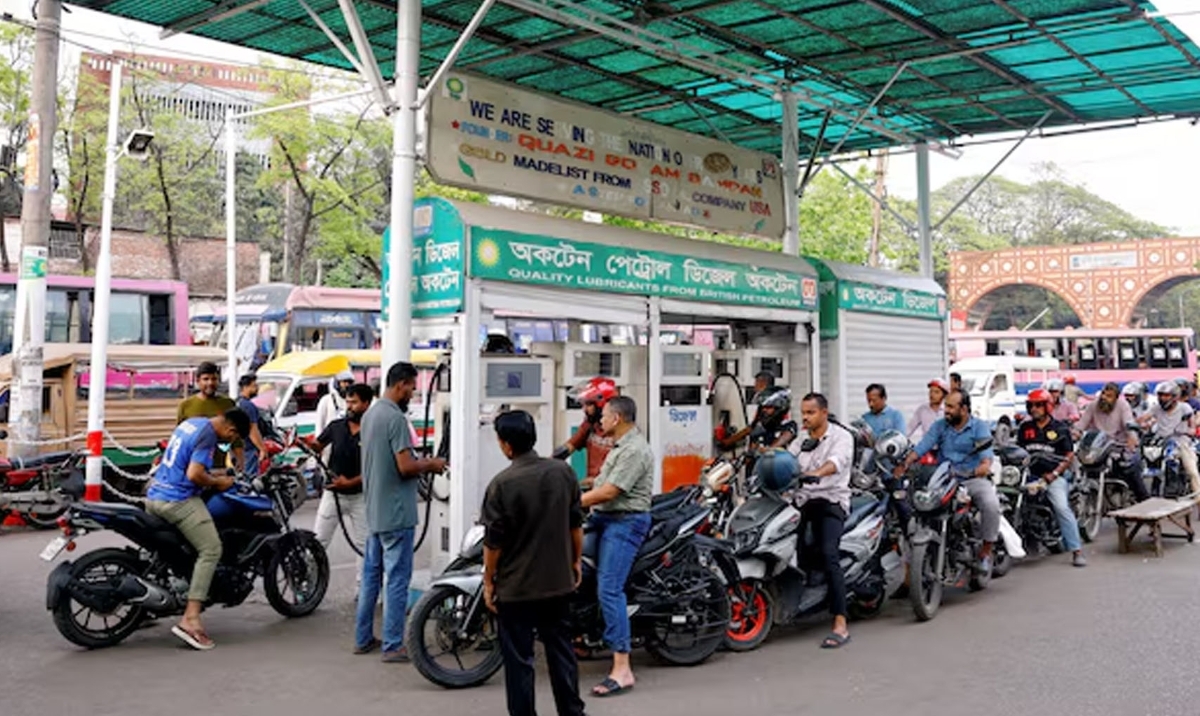
Diesel remains the dominant fuel in Bangladesh, accounting for about 63% of total energy consumption. In the 2024–25 fiscal year, the country’s diesel demand was around 4.3 million tons, of which nearly 80% was directly imported. The rest comes from refining crude oil. Diesel is widely used in agriculture, transportation, industries, and power generation, and is still being sold at previous prices in the domestic market.

Analysts note that BPC has made significant profits in recent years, which could help absorb part of the increased costs. If needed, the government may reduce foreign spending in other sectors to provide subsidies for fuel imports.

Policy experts also advise against entering long-term energy agreements during this volatile period. Given the rapidly changing global market, they suggest short-term planning — such as a three-month strategy — as a more practical approach.


Tag :

Please Share This Post in Your Social Media

Extra Cost of Tk 330 Crore Incurred to Bring Two Diesel-Laden Ships

Update Time : 05:12:12 am, Wednesday, 25 March 2026

The Bangladesh Petroleum Corporation (BPC) purchases fuel based on pricing benchmarks set by the Singapore-based agency Platts. The price per barrel is calculated using the average rate of five days — two days before loading, the day of loading, and two days after. As a result, any sharp rise in global oil prices within a short time is quickly reflected in import costs.

According to BPC data, on March 16, a vessel named MT Chang Hang Hong Tu brought in about 203,126 barrels of diesel. Before the conflict, the estimated cost for this shipment was around Tk 263 crore. However, due to a surge in global prices, the actual cost rose to approximately Tk 425 crore — an increase of about Tk 162 crore for a single shipment. The price per barrel reached $170.99.

A similar situation occurred with another vessel, MT Rafals Samurai, which arrived on March 14 carrying roughly 200,000 barrels of diesel. Its expected cost before the crisis was also around Tk 263 crore, but the final expense climbed to nearly Tk 431 crore. This resulted in an additional cost of about Tk 168 crore for that shipment.

BPC officials stated that since the conflict began, seven diesel shipments and one furnace oil shipment have reached the country. At least six of these shipments incurred extra costs, which together could exceed Tk 1,000 crore.

Experts suggest that both the government and the public need to cut down on unnecessary spending. They recommend introducing a clear rationing system to ensure fuel is supplied to priority sectors.

Meanwhile, the Bangladesh Energy Regulatory Commission (BERC) has raised jet fuel prices for the second time within a month. After an earlier increase of Tk 17 per liter, the price has now been raised by an additional Tk 90.

For domestic flights, jet fuel now costs Tk 202.29 per liter, up from Tk 112.41 previously and Tk 95.12 last month. For international flights, the price has increased from $0.7384 to $1.3216 per liter.

Diesel remains the dominant fuel in Bangladesh, accounting for about 63% of total energy consumption. In the 2024–25 fiscal year, the country’s diesel demand was around 4.3 million tons, of which nearly 80% was directly imported. The rest comes from refining crude oil. Diesel is widely used in agriculture, transportation, industries, and power generation, and is still being sold at previous prices in the domestic market.

Analysts note that BPC has made significant profits in recent years, which could help absorb part of the increased costs. If needed, the government may reduce foreign spending in other sectors to provide subsidies for fuel imports.

Policy experts also advise against entering long-term energy agreements during this volatile period. Given the rapidly changing global market, they suggest short-term planning — such as a three-month strategy — as a more practical approach.