Fuel Imports into the Country During One Month of War

- Update Time : 05:18:13 am, Saturday, 4 April 2026
- / 46 Time View
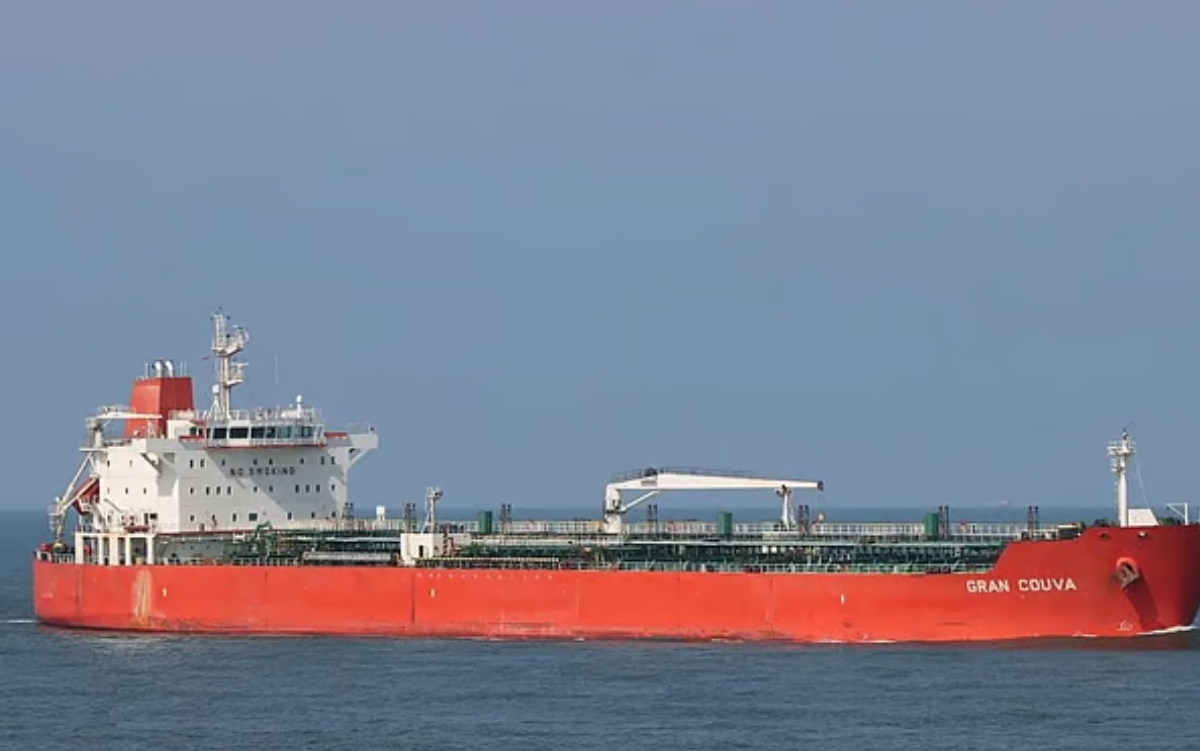

Fuel Imports and Supply Situation One Month After Middle East Conflict
One month has passed since the conflict in the Middle East began. During this period, Bangladesh received fuel shipments through 11 vessels, bringing in more than 327,000 tonnes of fuel. In addition, around 22,000 tonnes of diesel were supplied via pipeline from India.
However, due to the ongoing conflict, eight scheduled vessels carrying both refined and crude fuel failed to reach the country’s ports, creating pressure on the overall supply system.
This overview of fuel imports was obtained from the Bangladesh Petroleum Corporation (BPC). Amid uncertainty, the organization is actively seeking alternative sources to secure fuel supplies.
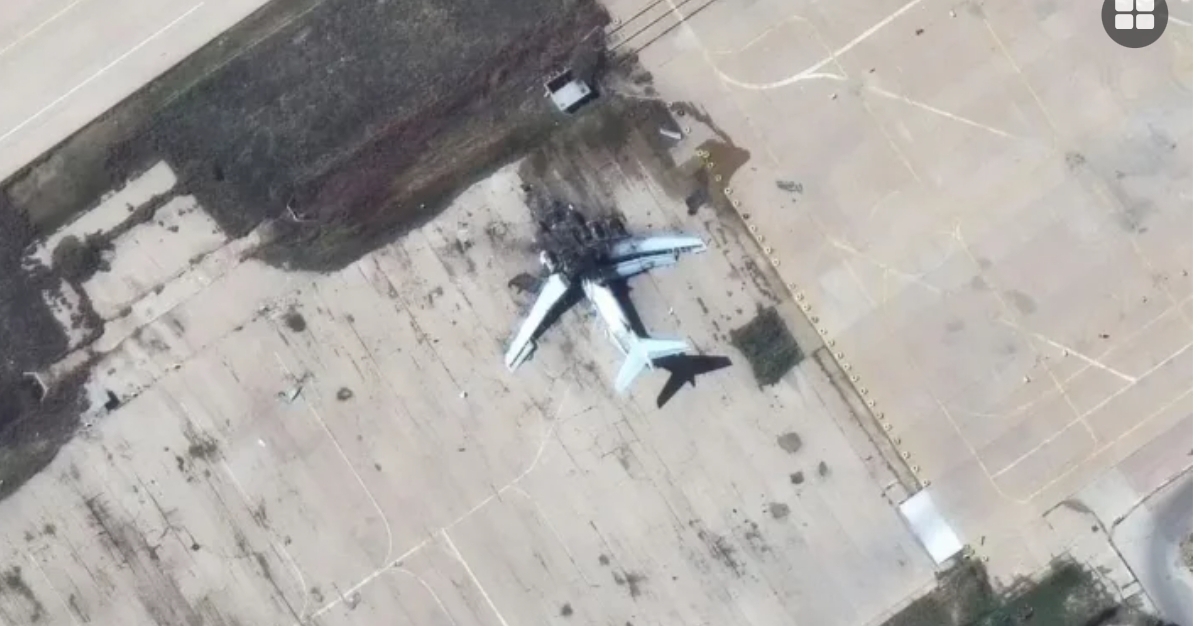
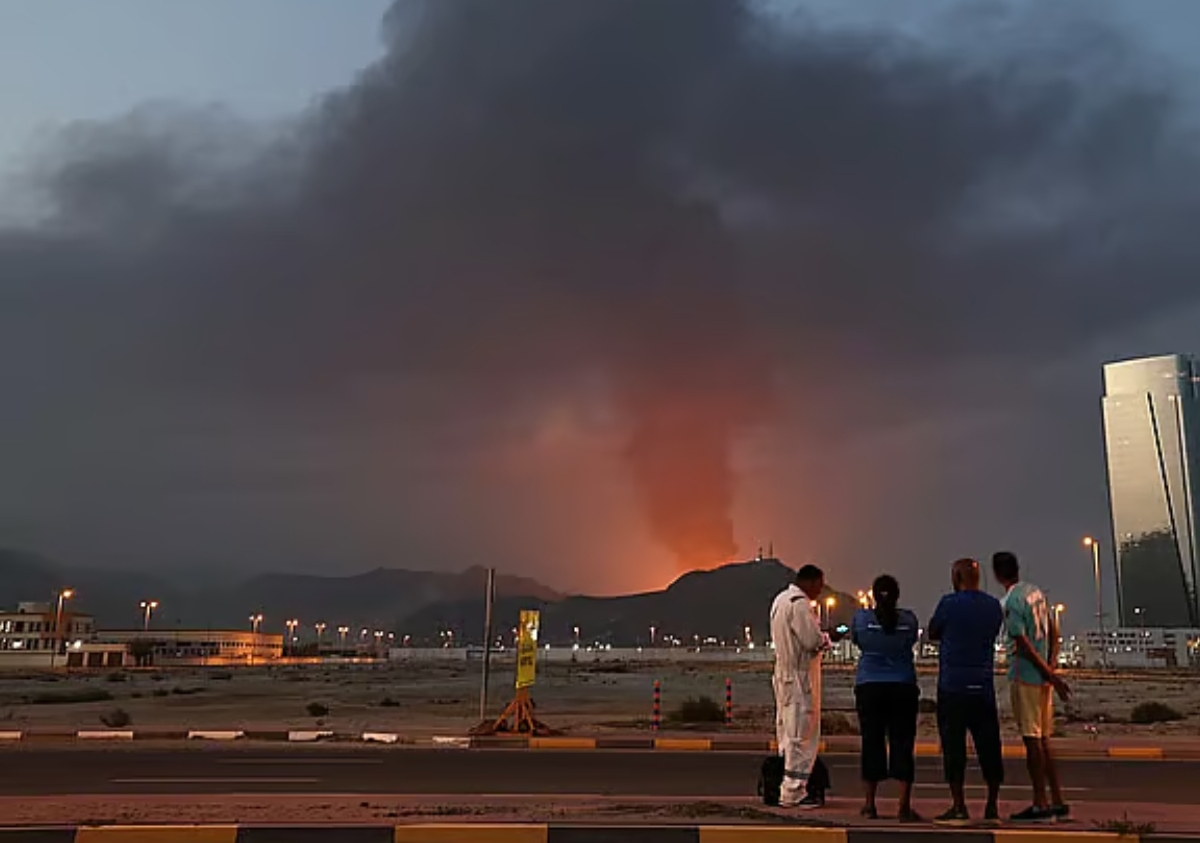
The conflict escalated across the Middle East following a joint strike by the United States and Israel on Iran on February 28. As a result, disruptions in vessel movement through the Strait of Hormuz—a key global energy transport route—have put Bangladesh’s fuel imports at risk.
According to BPC officials, in the past month, the imported fuel included approximately 280,000 tonnes of diesel, 22,000 tonnes of jet fuel, and 25,000 tonnes of furnace oil. Together, shipments by sea exceeded 327,000 tonnes. Additionally, India supplied another 22,000 tonnes of diesel through pipeline infrastructure.
Officials also noted that efforts are underway to reschedule delayed vessels, while initiatives have been taken to source fuel from alternative suppliers.
The first shipment after the conflict began arrived on March 3. The vessel, MT Oriental Greenstone, carried 32,000 tonnes of diesel supplied by Unipac Singapore Pte Ltd. The most recent shipment arrived on Friday afternoon, when MT Yuan Jing He delivered 27,000 tonnes of diesel from Singapore, also supplied by Unipac.
Meanwhile, eight vessels scheduled during this period were unable to arrive, collectively carrying around 385,000 tonnes of fuel. These included about 160,000 tonnes of diesel, 200,000 tonnes of crude oil, and 25,000 tonnes of jet fuel.
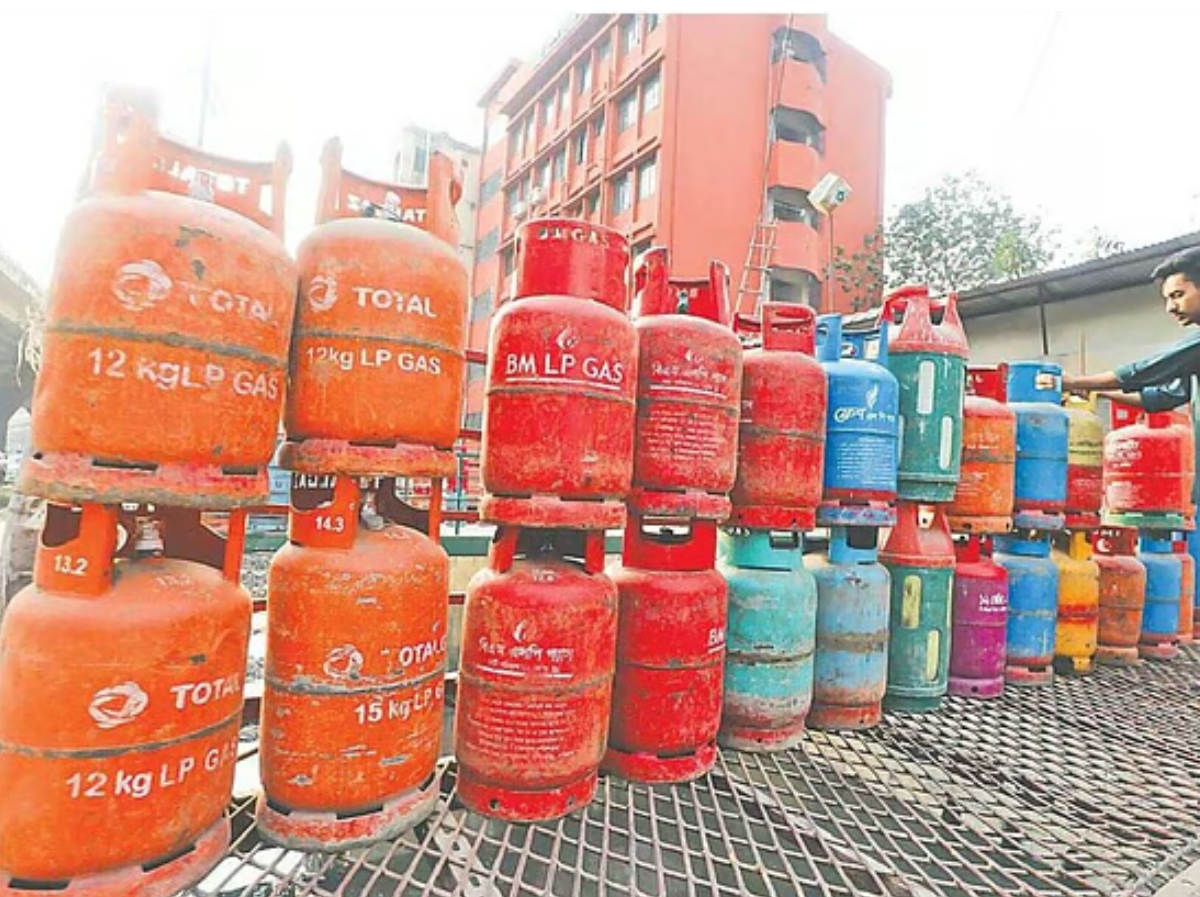
Concerns over a potential fuel shortage have led to long queues, congestion, and disorder at filling stations. Many drivers have had to wait for hours, while others returned without fuel due to limited availability.
Despite these challenges, BPC Chairman Md. Rezanur Rahman stated that there is no immediate fuel shortage. He mentioned that alongside contracted suppliers, new sources are being explored, and progress has been made regarding several delayed shipments—one of which has already arrived, while three others are expected soon.
Planned Fuel Imports for the Next Three Months
Due to continued uncertainty in global supply, BPC has prepared a provisional import plan through June.
April target: 323,000 tonnes of diesel, 50,000 tonnes of jet fuel, 25,000 tonnes of octane, and 75,000 tonnes of furnace oil
May target: 350,000 tonnes of diesel, 40,000 tonnes of jet fuel, 25,000 tonnes of octane, and 75,000 tonnes of furnace oil
June target: 270,000 tonnes of diesel, 60,000 tonnes of jet fuel, 25,000 tonnes of octane, and 75,000 tonnes of furnace oil
Officials emphasized that this plan is flexible and may be adjusted depending on global market conditions and supplier reliability.
They added that fuel collection from alternative sources has been intensified. As these supplies begin to arrive, national reserves are expected to increase, helping stabilize the situation.
Furthermore, diesel demand is likely to decrease after the irrigation season ends. Combined with incoming shipments and continued pipeline supply from India, the risk of a major shortage is expected to remain low.
The government has also reassured that the situation is under control. State Minister for Power, Energy and Mineral Resources, Anindya Islam, stated that there is currently no fuel crisis in the country. He noted that fuel imports are continuing both through existing contracts and new sources, reducing the likelihood of major supply disruptions.