
Dhaka 4:18 am, Friday, 6 February 2026

Emotion fades as voters focus on cold calculations

Staff Correspondent :
  • Update Time : 07:06:37 am, Thursday, 5 February 2026
  • / 35 Time View

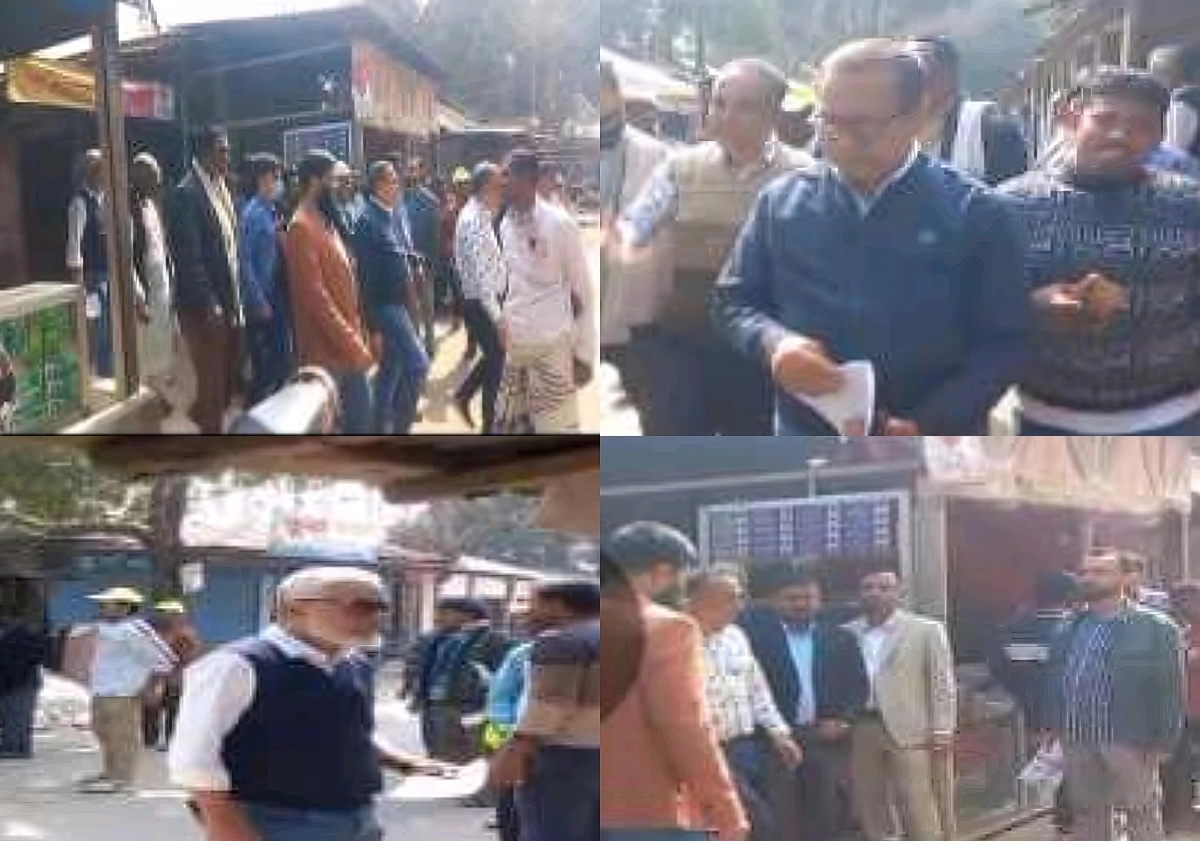
It was 9:30 in the morning at Kolatoli intersection in Cox’s Bazar town. I was standing at a roadside tea stall, enjoying the gentle sunlight while the sound of waves crashing on the beach drifted in. Almost casually, I brought up the topic of the election. A middle-aged man responded quickly: “There will be an election, but this time the calculation feels different.”

Political debates at tea stalls usually heat up in the late afternoon or evening. That someone engaged so early caught my attention. His name was Md Mostafa, a resident of Samiti Para in Cox’s Bazar town. He spoke thoughtfully, with a grounded sense of reality. Yet when he said “the calculation is different this time,” he did not spell it out clearly—only hinted at it.

I arrived in the tourist city last Sunday to understand the election atmosphere. Over the next three days, after traveling across different parts of the district, it became clear that Mostafa’s remark neatly summed up the overall mood: this election feels different.

One thing stood out everywhere—voters are speaking with less emotion and more calculation. Most people avoided strong statements. Instead, they appeared to be weighing their options carefully. Young voters in particular were less interested in party symbols or loyalties; their main question was simple: what will the next five years bring for us?

Four seats, four different realities

Cox’s Bazar has four parliamentary constituencies, each shaped by distinct geography—hills, rivers, sea, islands, and border areas—and each with its own political dynamics. The district is not only a tourism hub but also Bangladesh’s longest coastal region, close to a seaport. This election has drawn national attention because two prominent politicians are contesting from different seats: BNP Standing Committee member Salahuddin Ahmed and Jamaat-e-Islami central leader Hamidur Rahman Azad.

Again, the same pattern emerges—less emotion, more calculation. Across conversations, voters seemed cautious and deliberate, especially the youth, who are focused on outcomes rather than rhetoric.

Cox’s Bazar-1: Is the “uneven contest” evening out?

Cox’s Bazar-1 (Chakaria–Pekua) has drawn significant attention because of Salahuddin Ahmed, a former state minister and a four-time MP from this area, as was his wife. On paper, his race against Jamaat’s younger candidate Abdullah Al Faruk was expected to be one-sided.

But after visiting multiple unions in Chakaria and Pekua and speaking with residents, it no longer appears so straightforward. Locals believe the main contest will be between Salahuddin Ahmed and Abdullah Al Faruk, though Islami Andolan Bangladesh candidate Sarwar Alam Qutubi is also in the race.

Residents credit much of the region’s visible development to Salahuddin Ahmed, noting that even basic infrastructure in Pekua dates back to his early tenure in the 1990s. At the same time, many are curious how a relatively new Jamaat leader like Abdullah Al Faruk has emerged as a serious challenger.

At a street corner in Pekua one night, I met Nurul Amin, a salt farmer and Jamaat supporter. While acknowledging Salahuddin Ahmed’s stature and development record, he argued that recent behavior by BNP activists—allegations of intimidation and extortion after August 5—had pushed voters toward Faruk.

Salahuddin Ahmed dismissed these claims as exaggerated, saying isolated incidents were dealt with firmly and that his party had been targeted by misinformation.

Faruk, on the other hand, said voters want clean leadership. In his view, corruption-free governance would naturally lead to development.

With more than 540,000 voters in the constituency, regional vote dynamics are being closely watched, though so far, strong regional polarization has not been clearly visible.

Cox’s Bazar-2: Can Azad overcome regional divides?

Cox’s Bazar-2, made up of Maheshkhali and Kutubdia islands, presents a different challenge. Jamaat leader Hamidur Rahman Azad and BNP’s Alamgir Mahfuz Ullah Farid—both former MPs—are facing each other directly.

With Azad hailing from Kutubdia and Farid from Maheshkhali, local loyalties could play a decisive role. Azad believes attempts to exploit regional divisions have failed and says public enthusiasm is strong. Farid’s camp, however, sees regional sentiment and internal Jamaat-BNP dynamics as potential advantages.

Both sides are also closely watching how voters aligned with the ruling party might shift.

Cox’s Bazar-3 and 4: Tight races continue

In Cox’s Bazar-3 (Sadar–Ramu–Eidgaon), tourism, business pressures, traffic, and rising living costs dominate voter concerns. The main fight is expected between BNP’s Lutfur Rahman Kajol, a former MP from an influential family, and Jamaat’s Shahidul Alam Bahadur, a former vice-chairman of the upazila and a well-known student leader.

Many residents describe the race as extremely close, predicting a narrow margin regardless of who wins.

Cox’s Bazar-4 (Ukhiya–Teknaf), the district’s most sensitive constituency, revolves around the Rohingya crisis, drug trafficking, human smuggling, and border security. Veteran BNP leader Shahjahan Chowdhury faces a strong challenge from Jamaat candidate Nur Ahmad Anwary.

No clear wave—only careful choices

After several days on the ground, one conclusion stands out: there is no visible one-sided momentum anywhere in Cox’s Bazar. Voters are balancing national leadership, local influence, past performance, and future expectations. Instead of emotional attachment, strategic thinking dominates.

Back at that tea stall in Kolatoli, Mostafa’s words echo clearly now: “This time, the calculation is different.” After touring all four constituencies, it is hard to disagree.
Tag :

Please Share This Post in Your Social Media

Emotion fades as voters focus on cold calculations

Update Time : 07:06:37 am, Thursday, 5 February 2026

It was 9:30 in the morning at Kolatoli intersection in Cox’s Bazar town. I was standing at a roadside tea stall, enjoying the gentle sunlight while the sound of waves crashing on the beach drifted in. Almost casually, I brought up the topic of the election. A middle-aged man responded quickly: “There will be an election, but this time the calculation feels different.”

Political debates at tea stalls usually heat up in the late afternoon or evening. That someone engaged so early caught my attention. His name was Md Mostafa, a resident of Samiti Para in Cox’s Bazar town. He spoke thoughtfully, with a grounded sense of reality. Yet when he said “the calculation is different this time,” he did not spell it out clearly—only hinted at it.

I arrived in the tourist city last Sunday to understand the election atmosphere. Over the next three days, after traveling across different parts of the district, it became clear that Mostafa’s remark neatly summed up the overall mood: this election feels different.

One thing stood out everywhere—voters are speaking with less emotion and more calculation. Most people avoided strong statements. Instead, they appeared to be weighing their options carefully. Young voters in particular were less interested in party symbols or loyalties; their main question was simple: what will the next five years bring for us?

Four seats, four different realities

Cox’s Bazar has four parliamentary constituencies, each shaped by distinct geography—hills, rivers, sea, islands, and border areas—and each with its own political dynamics. The district is not only a tourism hub but also Bangladesh’s longest coastal region, close to a seaport. This election has drawn national attention because two prominent politicians are contesting from different seats: BNP Standing Committee member Salahuddin Ahmed and Jamaat-e-Islami central leader Hamidur Rahman Azad.

Again, the same pattern emerges—less emotion, more calculation. Across conversations, voters seemed cautious and deliberate, especially the youth, who are focused on outcomes rather than rhetoric.

Cox’s Bazar-1: Is the “uneven contest” evening out?

Cox’s Bazar-1 (Chakaria–Pekua) has drawn significant attention because of Salahuddin Ahmed, a former state minister and a four-time MP from this area, as was his wife. On paper, his race against Jamaat’s younger candidate Abdullah Al Faruk was expected to be one-sided.

But after visiting multiple unions in Chakaria and Pekua and speaking with residents, it no longer appears so straightforward. Locals believe the main contest will be between Salahuddin Ahmed and Abdullah Al Faruk, though Islami Andolan Bangladesh candidate Sarwar Alam Qutubi is also in the race.

Residents credit much of the region’s visible development to Salahuddin Ahmed, noting that even basic infrastructure in Pekua dates back to his early tenure in the 1990s. At the same time, many are curious how a relatively new Jamaat leader like Abdullah Al Faruk has emerged as a serious challenger.

At a street corner in Pekua one night, I met Nurul Amin, a salt farmer and Jamaat supporter. While acknowledging Salahuddin Ahmed’s stature and development record, he argued that recent behavior by BNP activists—allegations of intimidation and extortion after August 5—had pushed voters toward Faruk.

Salahuddin Ahmed dismissed these claims as exaggerated, saying isolated incidents were dealt with firmly and that his party had been targeted by misinformation.

Faruk, on the other hand, said voters want clean leadership. In his view, corruption-free governance would naturally lead to development.

With more than 540,000 voters in the constituency, regional vote dynamics are being closely watched, though so far, strong regional polarization has not been clearly visible.

Cox’s Bazar-2: Can Azad overcome regional divides?

Cox’s Bazar-2, made up of Maheshkhali and Kutubdia islands, presents a different challenge. Jamaat leader Hamidur Rahman Azad and BNP’s Alamgir Mahfuz Ullah Farid—both former MPs—are facing each other directly.

With Azad hailing from Kutubdia and Farid from Maheshkhali, local loyalties could play a decisive role. Azad believes attempts to exploit regional divisions have failed and says public enthusiasm is strong. Farid’s camp, however, sees regional sentiment and internal Jamaat-BNP dynamics as potential advantages.

Both sides are also closely watching how voters aligned with the ruling party might shift.

Cox’s Bazar-3 and 4: Tight races continue

In Cox’s Bazar-3 (Sadar–Ramu–Eidgaon), tourism, business pressures, traffic, and rising living costs dominate voter concerns. The main fight is expected between BNP’s Lutfur Rahman Kajol, a former MP from an influential family, and Jamaat’s Shahidul Alam Bahadur, a former vice-chairman of the upazila and a well-known student leader.

Many residents describe the race as extremely close, predicting a narrow margin regardless of who wins.

Cox’s Bazar-4 (Ukhiya–Teknaf), the district’s most sensitive constituency, revolves around the Rohingya crisis, drug trafficking, human smuggling, and border security. Veteran BNP leader Shahjahan Chowdhury faces a strong challenge from Jamaat candidate Nur Ahmad Anwary.

No clear wave—only careful choices

After several days on the ground, one conclusion stands out: there is no visible one-sided momentum anywhere in Cox’s Bazar. Voters are balancing national leadership, local influence, past performance, and future expectations. Instead of emotional attachment, strategic thinking dominates.

Back at that tea stall in Kolatoli, Mostafa’s words echo clearly now: “This time, the calculation is different.” After touring all four constituencies, it is hard to disagree.