Dhaka 2:55 pm, Thursday, 26 February 2026

Actor–Filmmaker Sells Beloved Car to Cover Medical Costs, Faces an Uphill Battle

Staff Correspondent :
  • Update Time : 07:05:03 am, Thursday, 26 February 2026
  • / 15 Time View

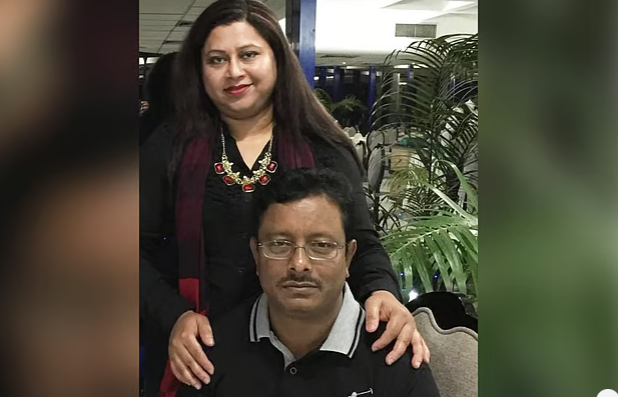
In mid-October last year, what seemed like an ordinary morning quietly turned into a life-altering moment for filmmaker Shahnewaz Kakoli and her family. At first, nothing appeared unusual. But soon she began experiencing numbness in her arms and legs, difficulty eating, and a growing sense of discomfort. As her symptoms worsened, her family rushed her to the hospital. After medical examinations, doctors confirmed she had suffered a stroke.

Following the stroke, Kakoli spent a week receiving treatment at two different hospitals before being taken home. However, recovery proved to be a long and demanding journey.

About a week later, she began rehabilitation therapy at the Centre for the Rehabilitation of the Paralysed (CRP) in Mirpur, Dhaka. She initially underwent two consecutive months of therapy there, followed by a month of treatment at home. She is currently admitted again at CRP for another month-long phase of care. Each day includes three types of therapy: physiotherapy, occupational therapy, and speech therapy. From morning until afternoon, she works to relearn basic movements—walking, lifting her hands, and articulating words.

Her husband, actor Pran Roy, said her progress is steady but slow. “There is improvement, but it’s gradual,” he explained. “Earlier we had to bring her on a stretcher; now she uses a wheelchair. With support from two people on either side, she can take about 10 to 12 steps. Her left arm and leg still do not respond. She can speak, though her face becomes slightly distorted.”

Once known for meticulously crafting scenes behind the camera, Kakoli now endures persistent joint pain throughout her body. The muscles in her hands have weakened. In the early days of therapy, the pain was so intense that she resisted attending sessions, often saying, “Everyone hurts me.” She would cry out in discomfort. Although her tolerance has improved, the pain remains.

Daily therapy and medical expenses range between 8,000 and 10,000 taka. Over the past four months, the costs have mounted significantly. According to Pran Roy, their savings have been exhausted. Funds originally set aside for their film From Bangladesh are now being used for treatment. They have even sold their cherished personal car to cover medical bills. Hospital fees, household expenses—everything combined has made this period extremely challenging.

The car, purchased four years ago, held sentimental value for the couple. It accompanied them to shooting locations, site visits, and family trips. But keeping it was no longer possible amid mounting expenses. During these months, Pran Roy has also been unable to continue his own acting work. “Kakoli needs someone with her at all times,” he said. “If I leave her alone and go out for work, I can’t focus. I’m constantly worried.”

Shahnewaz Kakoli is recognized in Bangladeshi cinema as a sensitive and humanistic storyteller. Although her debut film Jolrong was not released, her 2012 film Uttorer Sur brought her significant recognition. The film won three National Film Awards, including Best Film, and was screened at various festivals at home and abroad. In 2015, her film Nodijon was released and also received a National Film Award. Her storytelling often centered on rivers, rural life, and the struggles of marginalized communities.

Beyond filmmaking, Kakoli worked regularly in television dramas, screenwriting, and art direction. In 2022, she embarked on a new project titled From Bangladesh. Filming was completed, and post-production was nearly finished. However, due to her illness and ongoing challenges, the film has yet to be released. In many ways, the story of the filmmaker herself now feels paused, awaiting its own resolution.

Prior to the stroke, Kakoli had been managing high blood pressure, diabetes, and thyroid issues. She was under medical care. But on that October morning, her condition suddenly deteriorated. The diagnosis of stroke not only affected one side of her body—it reshaped her life, her relationships, and her dreams.

Just months ago, audiences laughed, cried, and reflected through her cinematic creations. Today, her family faces uncertainty. There is no clear timeline for how long treatment will continue. Their savings are nearly depleted, and they are relying on support from friends and well-wishers to sustain her care. Pran Roy’s voice carries exhaustion, yet he remains hopeful: “All I ask from the Almighty is that Kakoli recovers quickly.”

When a filmmaker tells stories, she preserves society’s emotions and collective memory. Kakoli’s struggle, therefore, is not only personal—it resonates within the cultural sphere as well. The woman who once illuminated screens now fights to keep the light burning in her own home. Yet hope endures. Artists seldom surrender easily. Perhaps one day, she will once again stand behind the camera and call out, “Action” and “Cut.”
Tag :

Please Share This Post in Your Social Media

Actor–Filmmaker Sells Beloved Car to Cover Medical Costs, Faces an Uphill Battle

Update Time : 07:05:03 am, Thursday, 26 February 2026

In mid-October last year, what seemed like an ordinary morning quietly turned into a life-altering moment for filmmaker Shahnewaz Kakoli and her family. At first, nothing appeared unusual. But soon she began experiencing numbness in her arms and legs, difficulty eating, and a growing sense of discomfort. As her symptoms worsened, her family rushed her to the hospital. After medical examinations, doctors confirmed she had suffered a stroke.

Following the stroke, Kakoli spent a week receiving treatment at two different hospitals before being taken home. However, recovery proved to be a long and demanding journey.

About a week later, she began rehabilitation therapy at the Centre for the Rehabilitation of the Paralysed (CRP) in Mirpur, Dhaka. She initially underwent two consecutive months of therapy there, followed by a month of treatment at home. She is currently admitted again at CRP for another month-long phase of care. Each day includes three types of therapy: physiotherapy, occupational therapy, and speech therapy. From morning until afternoon, she works to relearn basic movements—walking, lifting her hands, and articulating words.

Her husband, actor Pran Roy, said her progress is steady but slow. “There is improvement, but it’s gradual,” he explained. “Earlier we had to bring her on a stretcher; now she uses a wheelchair. With support from two people on either side, she can take about 10 to 12 steps. Her left arm and leg still do not respond. She can speak, though her face becomes slightly distorted.”

Once known for meticulously crafting scenes behind the camera, Kakoli now endures persistent joint pain throughout her body. The muscles in her hands have weakened. In the early days of therapy, the pain was so intense that she resisted attending sessions, often saying, “Everyone hurts me.” She would cry out in discomfort. Although her tolerance has improved, the pain remains.

Daily therapy and medical expenses range between 8,000 and 10,000 taka. Over the past four months, the costs have mounted significantly. According to Pran Roy, their savings have been exhausted. Funds originally set aside for their film From Bangladesh are now being used for treatment. They have even sold their cherished personal car to cover medical bills. Hospital fees, household expenses—everything combined has made this period extremely challenging.

The car, purchased four years ago, held sentimental value for the couple. It accompanied them to shooting locations, site visits, and family trips. But keeping it was no longer possible amid mounting expenses. During these months, Pran Roy has also been unable to continue his own acting work. “Kakoli needs someone with her at all times,” he said. “If I leave her alone and go out for work, I can’t focus. I’m constantly worried.”

Shahnewaz Kakoli is recognized in Bangladeshi cinema as a sensitive and humanistic storyteller. Although her debut film Jolrong was not released, her 2012 film Uttorer Sur brought her significant recognition. The film won three National Film Awards, including Best Film, and was screened at various festivals at home and abroad. In 2015, her film Nodijon was released and also received a National Film Award. Her storytelling often centered on rivers, rural life, and the struggles of marginalized communities.

Beyond filmmaking, Kakoli worked regularly in television dramas, screenwriting, and art direction. In 2022, she embarked on a new project titled From Bangladesh. Filming was completed, and post-production was nearly finished. However, due to her illness and ongoing challenges, the film has yet to be released. In many ways, the story of the filmmaker herself now feels paused, awaiting its own resolution.

Prior to the stroke, Kakoli had been managing high blood pressure, diabetes, and thyroid issues. She was under medical care. But on that October morning, her condition suddenly deteriorated. The diagnosis of stroke not only affected one side of her body—it reshaped her life, her relationships, and her dreams.

Just months ago, audiences laughed, cried, and reflected through her cinematic creations. Today, her family faces uncertainty. There is no clear timeline for how long treatment will continue. Their savings are nearly depleted, and they are relying on support from friends and well-wishers to sustain her care. Pran Roy’s voice carries exhaustion, yet he remains hopeful: “All I ask from the Almighty is that Kakoli recovers quickly.”

When a filmmaker tells stories, she preserves society’s emotions and collective memory. Kakoli’s struggle, therefore, is not only personal—it resonates within the cultural sphere as well. The woman who once illuminated screens now fights to keep the light burning in her own home. Yet hope endures. Artists seldom surrender easily. Perhaps one day, she will once again stand behind the camera and call out, “Action” and “Cut.”