
Elon Musk plans to build a city on the Moon in the next ten years
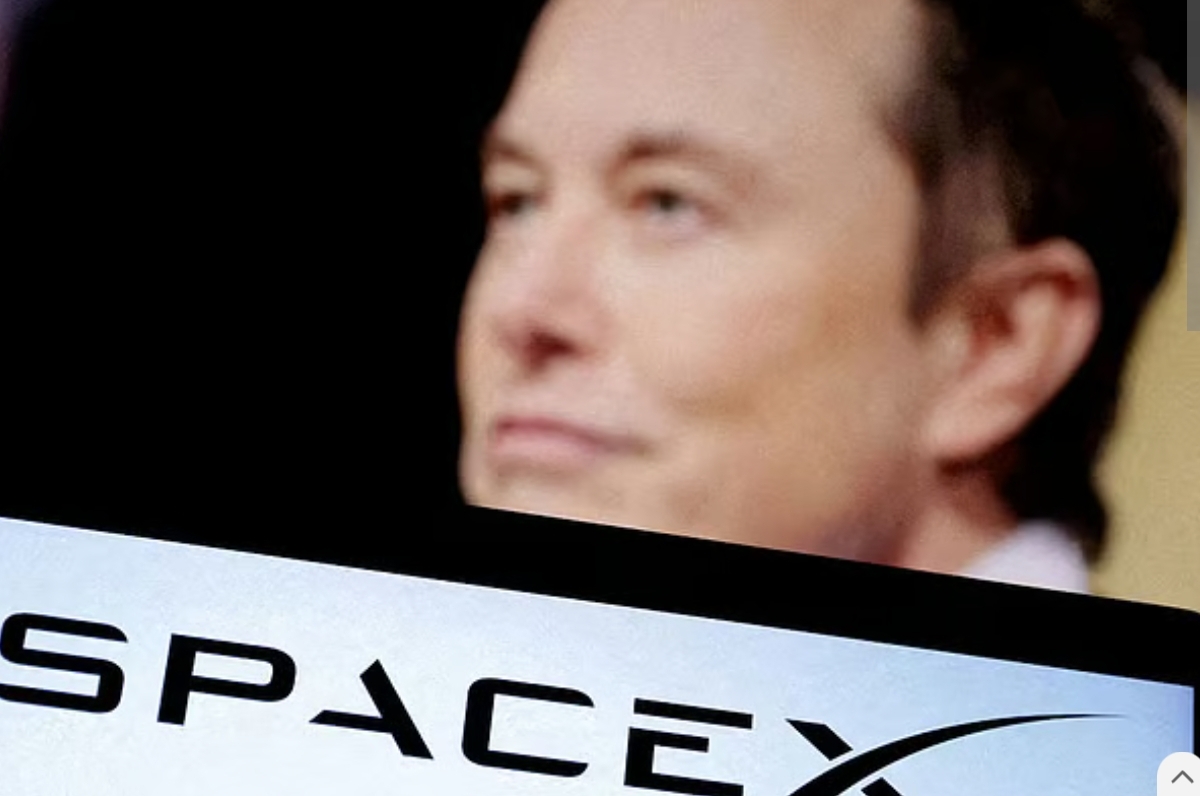 American billionaire Elon Musk has said that his space company, SpaceX, is now focusing more on building a fully self-sustaining city on the Moon. He believes such a project could become a reality in less than ten years.
In a recent post on his social media platform X (formerly Twitter), Musk wrote that SpaceX still maintains its long-term goal of establishing a city on Mars within five to seven years. However, he emphasized that the company’s current top priorities are protecting human civilization and reaching the Moon as quickly as possible.
Musk’s remarks reflect a recent report by The Wall Street Journal, which stated that SpaceX had informed investors that the Moon has become its primary target for now, while Mars missions have been postponed to a later stage.
SpaceX has set March 2027 as the target date for landing an unmanned spacecraft on the Moon. Previously, Musk had aimed to send an unmanned mission to Mars by the end of 2026.
Meanwhile, competition between the United States and China to return humans to the Moon within this decade is intensifying. Since NASA’s Apollo 17 mission in 1972, no human has stepped on the lunar surface.
Less than a week ago, Musk also announced that SpaceX had acquired his artificial intelligence company, xAI. In the deal, SpaceX was valued at around $100 billion, while xAI was valued at approximately $25 billion.
Supporters of the move believe it will strengthen SpaceX’s plans to develop space-based data centers. Musk argues that as AI technology advances, the demand for computing power will grow so rapidly that operating data centers in space could become more cost-effective than on Earth.
SpaceX is also expected to raise about $5 billion from the capital market by the end of this year, which could become one of the largest public offerings in history.
Recently, Musk shared SpaceX’s first Super Bowl advertisement, promoting its Starlink satellite internet service.
Alongside steering SpaceX toward new goals, Musk is also pushing his publicly listed company Tesla to new heights. After shaping the global electric vehicle market, Tesla is now investing heavily in autonomous vehicles and robotics, with plans to spend around $20 billion this year.
To accelerate this transformation, Musk said last month that Tesla would stop producing two car models at its California factory to free up space for manufacturing its humanoid robot, Optimus.
Publisher: Mustakim Nibir
Copyright © 2026 The Times OF Dhaka. All rights reserved. প্রিন্ট করুন
 সেভ করুন