Global Oil Prices Climb as Wall Street Signals Decline

- Update Time : 04:58:13 am, Monday, 2 March 2026
- / 28 Time View

Oil Prices Jump on Middle East Tensions, Wall Street Futures Slide
Global oil prices climbed sharply on Monday amid escalating tensions in the Middle East, raising concerns about potential supply disruptions. Analysts warn that crude prices could surpass $100 per barrel if the conflict continues for an extended period.
The surge follows reports of attacks near the Strait of Hormuz, a critical shipping route responsible for transporting roughly 20% of the world’s oil and gas supplies. Iran has warned vessels against passing through the strait, leading to severe disruptions in maritime traffic.
Shipping Incidents Raise Alarm
The United Kingdom Maritime Trade Operations (UKMTO) reported that at least two vessels were struck by unidentified projectiles and caught fire, while another explosion occurred close to a third ship. Crew members were reported safe. Additional security-related incidents have been noted across the Arabian Gulf and the Gulf of Oman.
Maritime data firm Kpler indicated that around 150 oil tankers are currently anchored outside the Strait of Hormuz in open waters. However, some vessels from Iran and China reportedly continued transit.
Rising insurance costs and security risks are discouraging shipping companies from using the route. Analysts suggest that if the strait remains effectively closed, oil prices could rise significantly.
Oil Market Reaction
In Asian trading, oil prices briefly surged more than 10% before easing slightly. At the time of reporting:
Brent crude was trading at $76.40 per barrel, up 4.84%.
West Texas Intermediate (WTI) rose 4.43% to $69.99 per barrel.
Meanwhile, OPEC and allied producers have agreed to increase output by 206,000 barrels per day in an attempt to offset possible supply shortages, though experts question whether this will be sufficient.
Shipping Companies Adjust Routes
Major shipping firms are adjusting operations. Danish container giant Maersk announced it would temporarily suspend sailings through the Bab el-Mandeb Strait and the Suez Canal, rerouting vessels around the Cape of Good Hope instead.
Private maritime security firms have also confirmed multiple incidents involving vessels flying various national flags in the region.
Stock Markets Signal Weakness
Rising oil prices and geopolitical uncertainty weighed on global financial markets.
In the United States, futures for the S&P 500, Nasdaq Composite, and Dow Jones Industrial Average all fell by roughly 1% ahead of market opening. European futures markets showed similar declines, with major indexes pointing lower.
Energy stocks, however, moved in the opposite direction. Shares of major oil companies such as ExxonMobil and Chevron rose in premarket trading, alongside modest gains in defense-related stocks.
Some Middle Eastern markets, including those in the United Arab Emirates and Kuwait, temporarily suspended trading due to what authorities described as special circumstances.
Growing Regional Instability
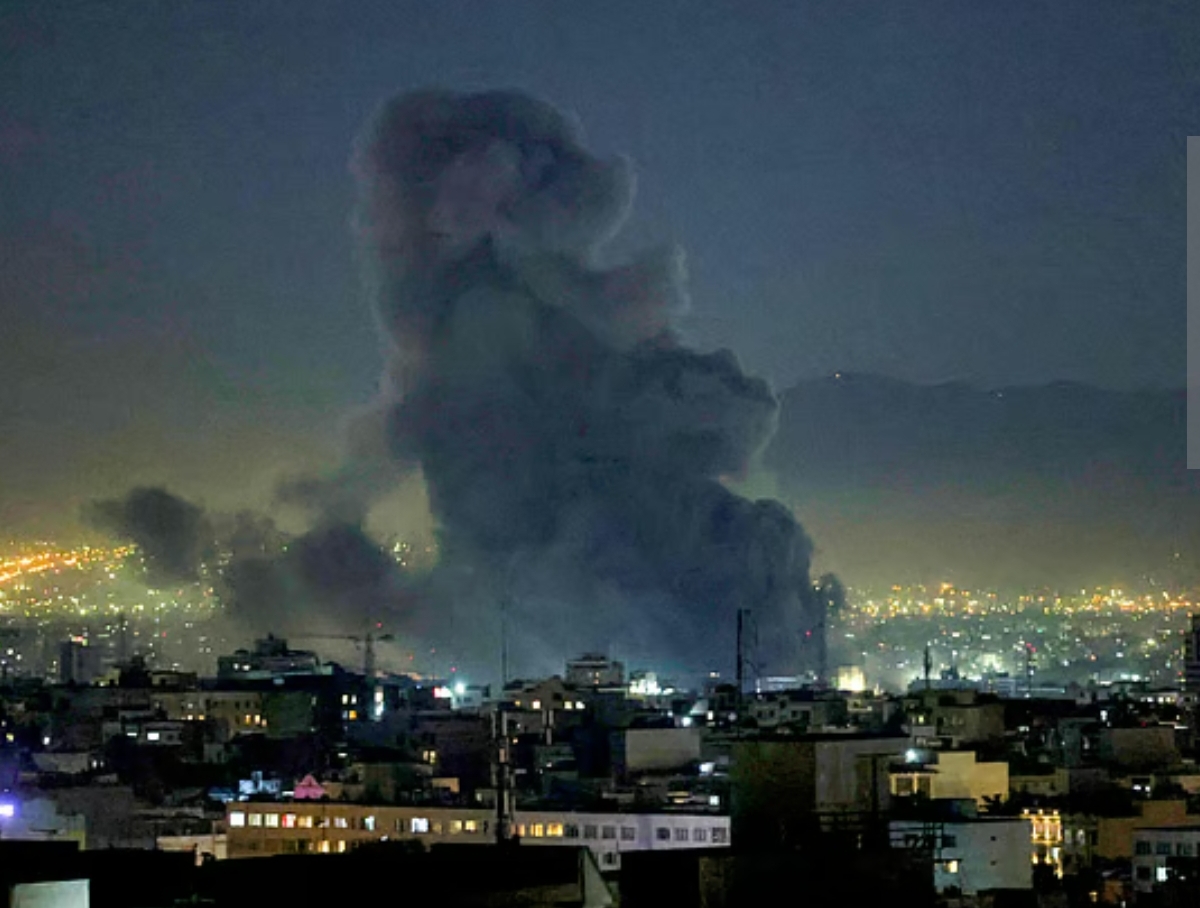
The situation intensified following reports of continued missile and drone exchanges between regional powers. Analysts warn that prolonged instability could further disrupt energy supplies and drive global fuel prices higher.
Investors are closely monitoring developments, particularly whether shipping through the Strait of Hormuz resumes normal operations. A return to stable maritime traffic could help ease pressure on oil prices and global markets.