Seven Reasons Trump Can’t Claim Victory Over Iran

- Update Time : 04:46:19 am, Saturday, 14 March 2026
- / 25 Time View

Why Trump Has Yet to Declare Victory in the Iran War
The conflict with Iran has placed U.S. President Donald Trump in a complicated position. Declaring victory is not easy. The war appears to be expanding, and ending it abruptly could create both strategic and economic setbacks. As a result, Trump now faces difficult choices.
So far, the situation has not reached the level of major historical failures seen during the presidencies of Lyndon B. Johnson or George W. Bush, but several warning signs are emerging. Analysts suggest there are at least seven key reasons why Trump has been unable to claim victory in the Iran conflict.
1. The Strait of Hormuz Crisis
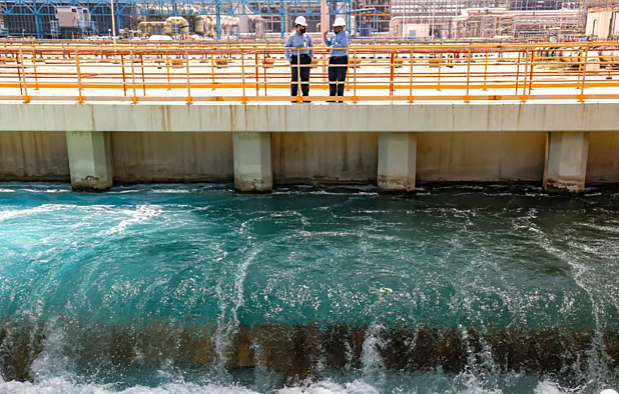
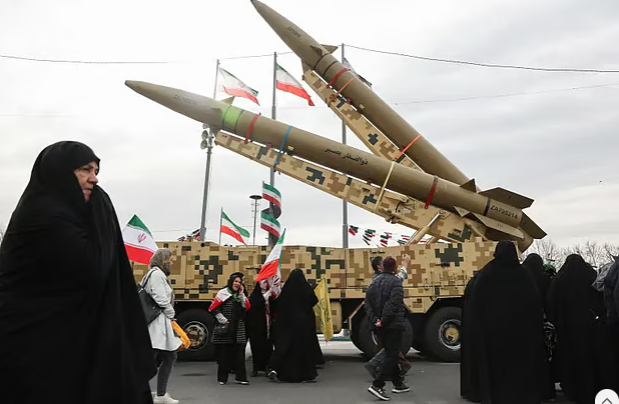
One major factor is the tension in the Strait of Hormuz, a critical waterway through which nearly one-fifth of the world’s oil supply passes. Iran has effectively disrupted traffic through this route, pushing global oil prices higher and putting pressure on international trade. Experts believe it would be extremely difficult to guarantee full security for this passage through military force alone.
2. Leadership Transition in Iran
At the beginning of the U.S.–Israeli strikes, Iran’s Supreme Leader Ali Khamenei was reportedly killed. His son Mojtaba Khamenei has since taken over the leadership role. Instead of destabilizing the government, the transition may lead to an even tougher stance from Tehran’s leadership.
3. Israel’s Uncertain Role
The decision to end the war is no longer solely in Washington’s hands. The United States’ close ally Israel could choose to continue military operations based on its own strategic interests. Even if Trump wants to end the conflict for political reasons, Israel’s position could complicate that decision.
4. No Clear War Objective
The U.S. administration has not clearly defined its ultimate goal in the conflict. At times officials claim Iran’s nuclear program has been destroyed, while at other moments they hint at the possibility of regime change. These mixed messages make it difficult to determine what would count as a clear victory.
5. Questions About Iran’s Nuclear Program
Trump has claimed that Iran’s nuclear capabilities have been largely eliminated. However, the International Atomic Energy Agency says that nearly 200 kilograms of highly enriched uranium could still remain at the Isfahan Nuclear Facility. If that material still exists, Iran could potentially restart its nuclear program in the future.
6. Iran’s Domestic Political Situation
The Trump administration initially expected that military pressure and the deaths of key Iranian leaders would spark a popular uprising against the government. So far, such a large-scale movement has not occurred. Some analysts believe the government could even become more unified once the war ends.
7. Political Pressure Inside the United States
The war has also created domestic challenges for the United States. Rising oil prices are increasing living costs for ordinary Americans, while U.S. military casualties continue to mount. As elections approach, public dissatisfaction with the administration’s handling of the conflict could grow.
A Difficult Path Forward
Although the United States and Israel may have achieved early military gains, the long-term outlook remains complicated. History shows that starting a war can be far easier than ending one. Trump’s biggest challenge now may be finding a way to exit the conflict while still claiming success.