Dhaka 2:13 am, Thursday, 26 March 2026

Israel’s Reaction to U.S.–Iran Peace Talks

Staff Correspondent:
  • Update Time : 05:01:35 pm, Tuesday, 24 March 2026
  • / 40 Time View

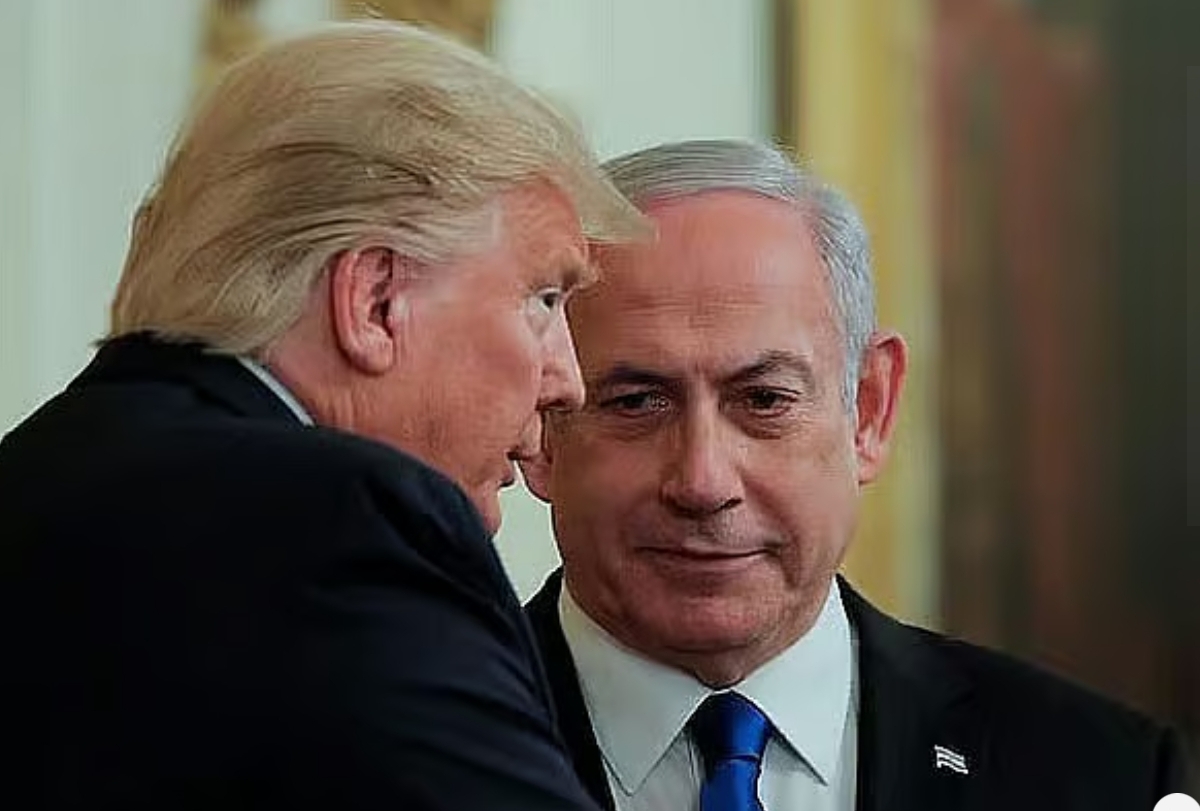
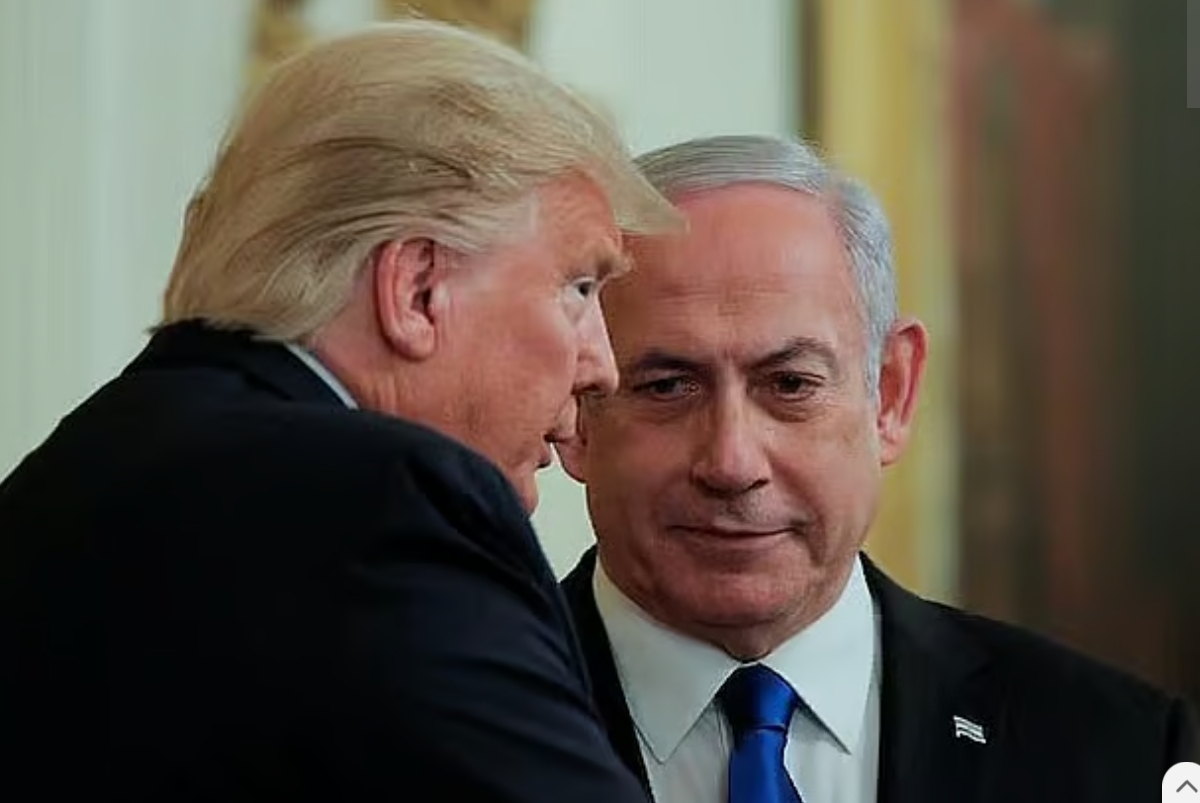
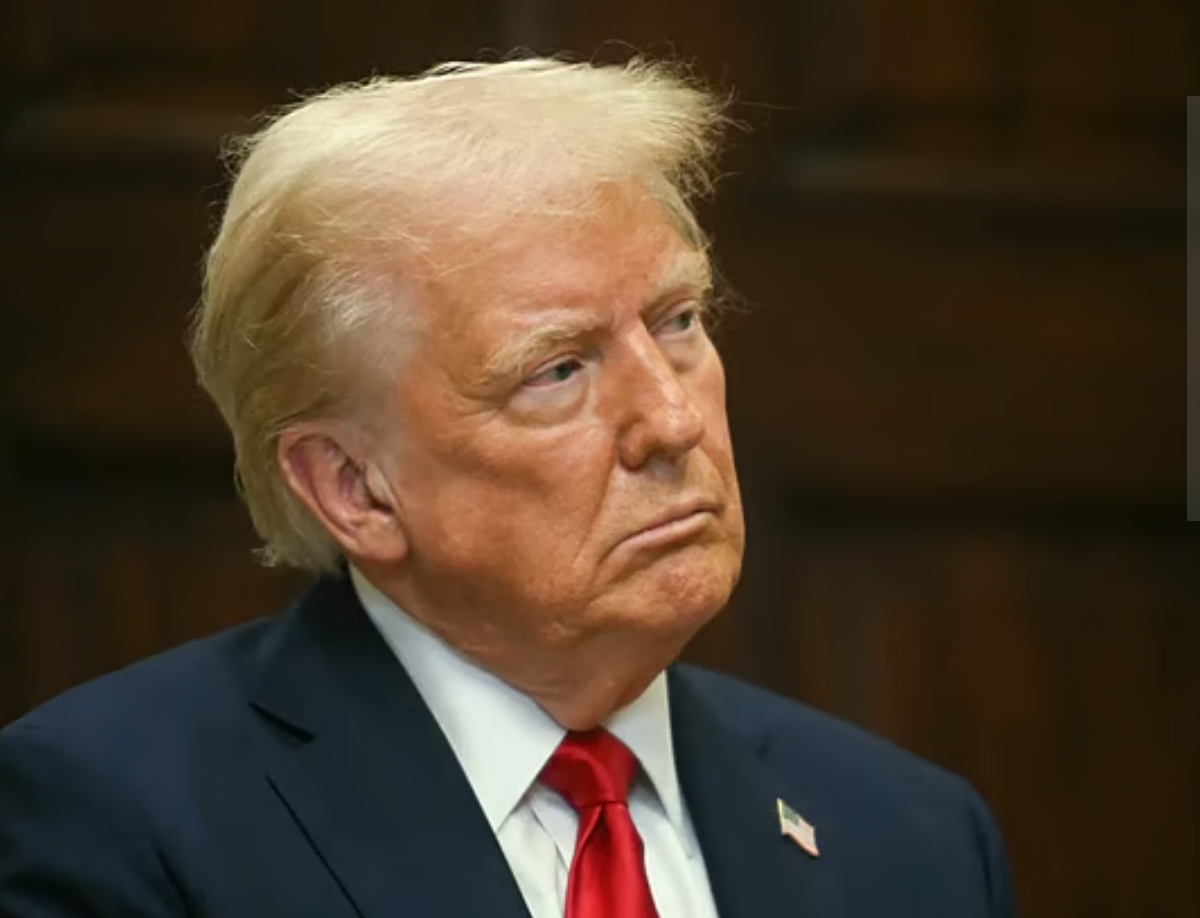
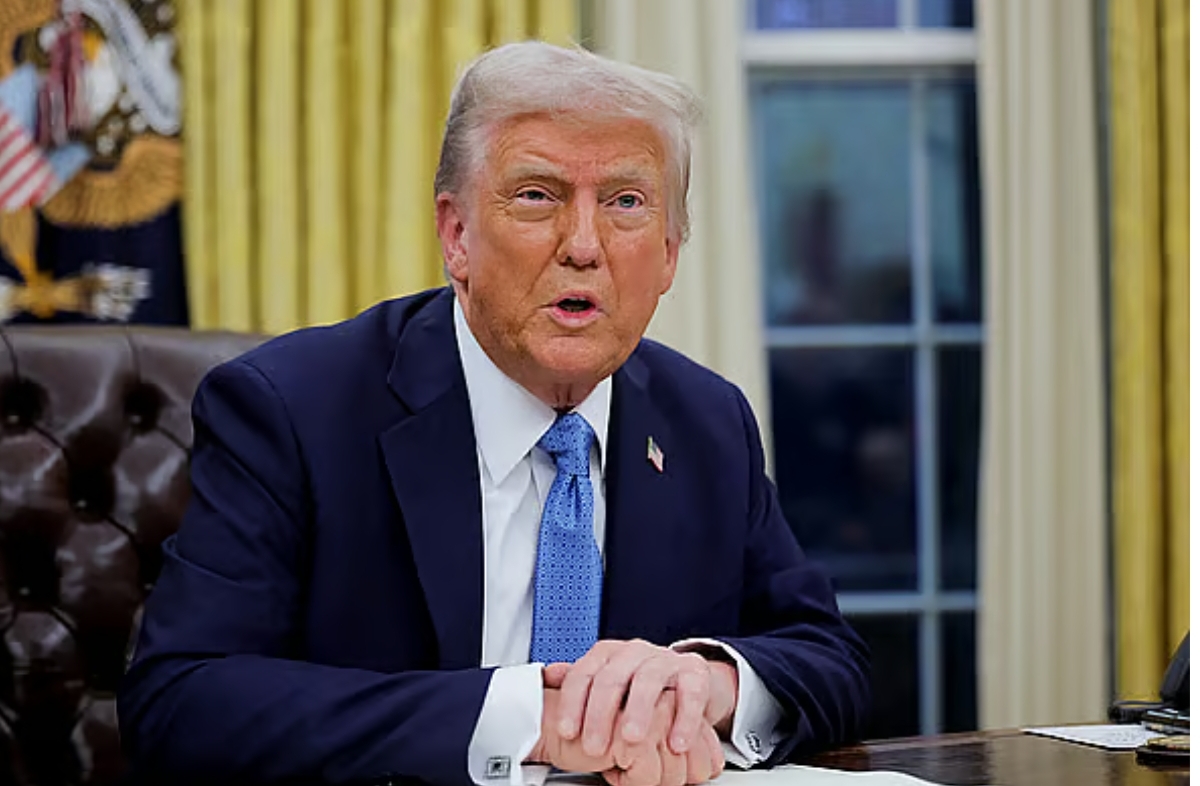
Following remarks by U.S. President Donald Trump about continuing discussions with Iran to end the war, analysts say a sense of confusion and disappointment has emerged in Israel.


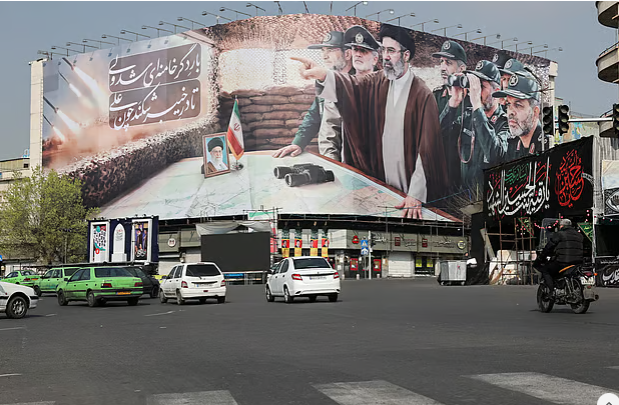
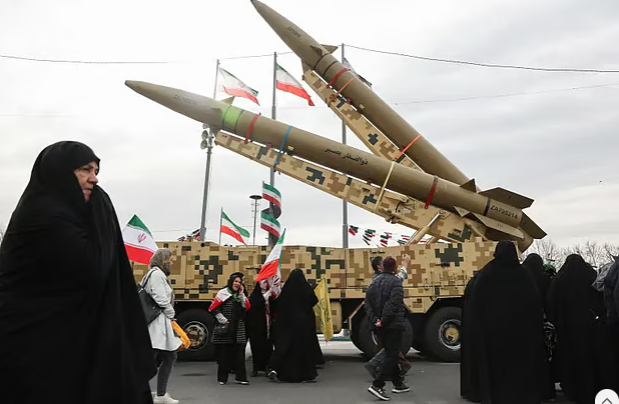
Trump’s statement came amid threats of major strikes on Iran’s energy infrastructure and Tehran’s denial that any negotiations are taking place.


Throughout the conflict, Israeli leaders have emphasized their frontline role against Iran. Prime Minister Benjamin Netanyahu has repeatedly claimed that he succeeded in drawing the United States into the confrontation to address what he describes as an existential threat posed by Iran.


In a video message after Trump’s comments, Netanyahu said the U.S. president believes recent military gains by both American and Israeli forces could be used to achieve the war’s objectives through a deal—one that would safeguard key interests.


He also noted that Israeli operations in both Iran and Lebanon are ongoing, including efforts targeting missile systems, nuclear-related activities, and continued strikes against Hezbollah.


Among the Israeli public, many had expected the war might lead to the collapse of Iran’s current leadership and permanently eliminate the threat. However, with Iran’s government still intact and recent deadly Iranian strikes on Israel, the idea of ending the war through negotiations has unsettled many.


Analysts suggest Israel was likely not consulted in advance about any potential talks. Political scientist Ori Goldberg described the move as a rejection of Netanyahu’s efforts to pull the U.S. deeper into the conflict.


Former Israeli diplomat Alon Pinkas said that if Trump proceeds with negotiations despite Netanyahu’s objections, it may signal that the U.S. president believes he was misled about the likelihood of a swift and decisive victory.


Goldberg went further, calling the development a clear setback for Netanyahu, suggesting that Washington is sidelining Israel diplomatically while it continues military operations.


Although Israel now appears somewhat isolated in diplomatic efforts, some analysts argue its military objectives may still have been partially achieved. Berlin-based analyst Nimrod Flashenberg noted that Israel may not have expected to play a major role in negotiations and questioned whether regime change in Iran was ever a realistic goal.


He suggested that if the true aim was to weaken Iran’s military capabilities, Israel may have succeeded—potentially securing longer-term U.S. commitment to limiting Iran’s strength.


Tag :

Please Share This Post in Your Social Media

Israel’s Reaction to U.S.–Iran Peace Talks

Update Time : 05:01:35 pm, Tuesday, 24 March 2026

Following remarks by U.S. President Donald Trump about continuing discussions with Iran to end the war, analysts say a sense of confusion and disappointment has emerged in Israel.


Trump’s statement came amid threats of major strikes on Iran’s energy infrastructure and Tehran’s denial that any negotiations are taking place.


Throughout the conflict, Israeli leaders have emphasized their frontline role against Iran. Prime Minister Benjamin Netanyahu has repeatedly claimed that he succeeded in drawing the United States into the confrontation to address what he describes as an existential threat posed by Iran.


In a video message after Trump’s comments, Netanyahu said the U.S. president believes recent military gains by both American and Israeli forces could be used to achieve the war’s objectives through a deal—one that would safeguard key interests.


He also noted that Israeli operations in both Iran and Lebanon are ongoing, including efforts targeting missile systems, nuclear-related activities, and continued strikes against Hezbollah.


Among the Israeli public, many had expected the war might lead to the collapse of Iran’s current leadership and permanently eliminate the threat. However, with Iran’s government still intact and recent deadly Iranian strikes on Israel, the idea of ending the war through negotiations has unsettled many.


Analysts suggest Israel was likely not consulted in advance about any potential talks. Political scientist Ori Goldberg described the move as a rejection of Netanyahu’s efforts to pull the U.S. deeper into the conflict.


Former Israeli diplomat Alon Pinkas said that if Trump proceeds with negotiations despite Netanyahu’s objections, it may signal that the U.S. president believes he was misled about the likelihood of a swift and decisive victory.


Goldberg went further, calling the development a clear setback for Netanyahu, suggesting that Washington is sidelining Israel diplomatically while it continues military operations.


Although Israel now appears somewhat isolated in diplomatic efforts, some analysts argue its military objectives may still have been partially achieved. Berlin-based analyst Nimrod Flashenberg noted that Israel may not have expected to play a major role in negotiations and questioned whether regime change in Iran was ever a realistic goal.


He suggested that if the true aim was to weaken Iran’s military capabilities, Israel may have succeeded—potentially securing longer-term U.S. commitment to limiting Iran’s strength.