
India, China Commit to Resolve Trade Conflicts
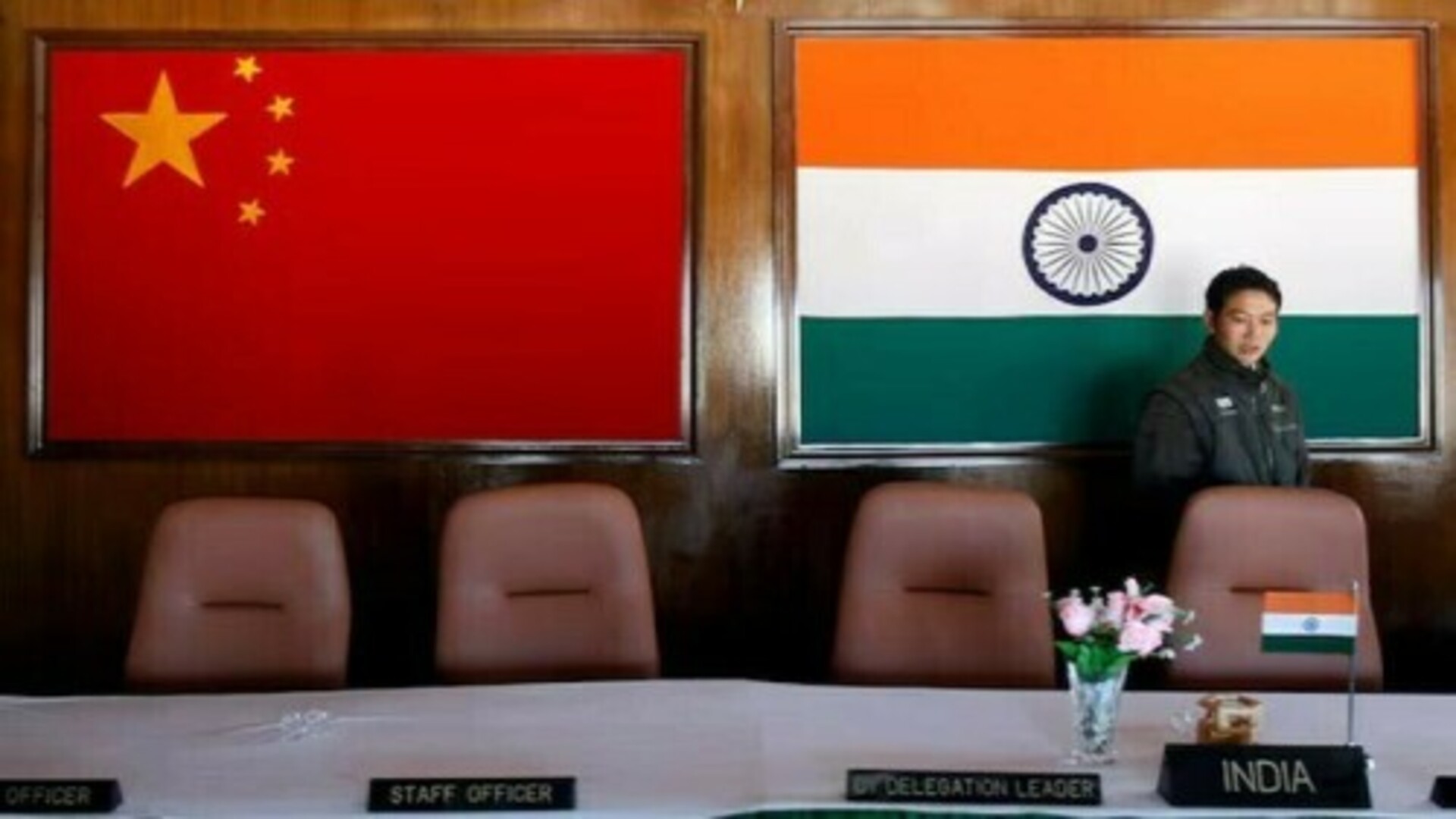 India and China have agreed to work towards resolving their differences on trade and economic matters, signaling an improvement in relations following the deadly 2020 border clash. This development came after a meeting in Beijing between India’s Deputy National Security Adviser Vikram Misri and China’s Foreign Minister Wang Yi. During the discussions, both sides addressed key economic concerns and agreed to negotiate a framework for the resumption of flights between the two countries, which have remained suspended for five years. The Indian foreign ministry emphasized the importance of promoting transparency and predictability in bilateral trade relations, while China highlighted the need for "mutual support" and "mutual achievement" instead of "suspicion" and "alienation."
Economic challenges facing both countries appear to be driving this renewed cooperation. Analysts suggest that sluggish growth in their respective economies, coupled with the threat of U.S. trade tariffs under President Donald Trump, has encouraged India and China to seek a more stable relationship. China views India as a significant market for its goods, while India sees potential in leveraging Chinese expertise, machinery, and components to support its manufacturing sector and boost exports. According to Harsh Pant, a foreign policy expert at the Observer Research Foundation, both nations have a vested interest in maintaining a mutually beneficial economic relationship, particularly as economic headwinds mount globally.
China’s foreign ministry confirmed that flights between the two nations would resume and announced progress in facilitating journalist exchanges. These steps are part of broader efforts to improve ties that had soured after the 2020 border clash in the Galwan Valley, which resulted in the deaths of 20 Indian soldiers and four Chinese troops. In the aftermath, India imposed restrictions on Chinese investments, banned numerous apps of Chinese origin, and suspended passenger flights, though direct cargo flights continued. Relations have since improved following an October 2023 agreement to ease military tensions along the border and a meeting between Indian Prime Minister Narendra Modi and Chinese President Xi Jinping during talks in Russia.
Despite these efforts, new irritants have emerged. In December, China approved the construction of a massive hydropower dam in Tibet on the lower reaches of the Yarlung Zangbo River, which flows into India as the Brahmaputra. The project, which aims to generate 300 billion kilowatt-hours of electricity annually, has raised concerns in India over potential impacts on water flow and resource availability. Chinese officials, however, have insisted that the dam will not significantly affect downstream water supplies or the environment.
Monday’s discussions between Indian and Chinese officials also addressed cooperation on cross-border rivers, with both sides agreeing to hold further meetings on the issue. Additionally, they pledged to facilitate the resumption of Indian pilgrimages to Tibet’s sacred mountains and lakes, which are expected to restart in 2025.
While these steps signal a thaw in relations, analysts remain cautious about the prospects of sustained peace and collaboration. Happymon Jacob, a foreign policy scholar at Jawaharlal Nehru University, noted that while the recent developments are welcome, deep-rooted structural differences and mutual distrust make it unlikely that India and China can become peaceful and cooperative neighbors in the long term. Thus, while the current engagements provide a foundation for addressing immediate issues, the broader trajectory of bilateral relations will depend on how both nations navigate these persistent challenges.
Publisher: Mustakim Nibir
Copyright © 2026 The Times OF Dhaka. All rights reserved. প্রিন্ট করুন
 সেভ করুন