
Trump administration readies reciprocal US tariffs as trade war fears mount
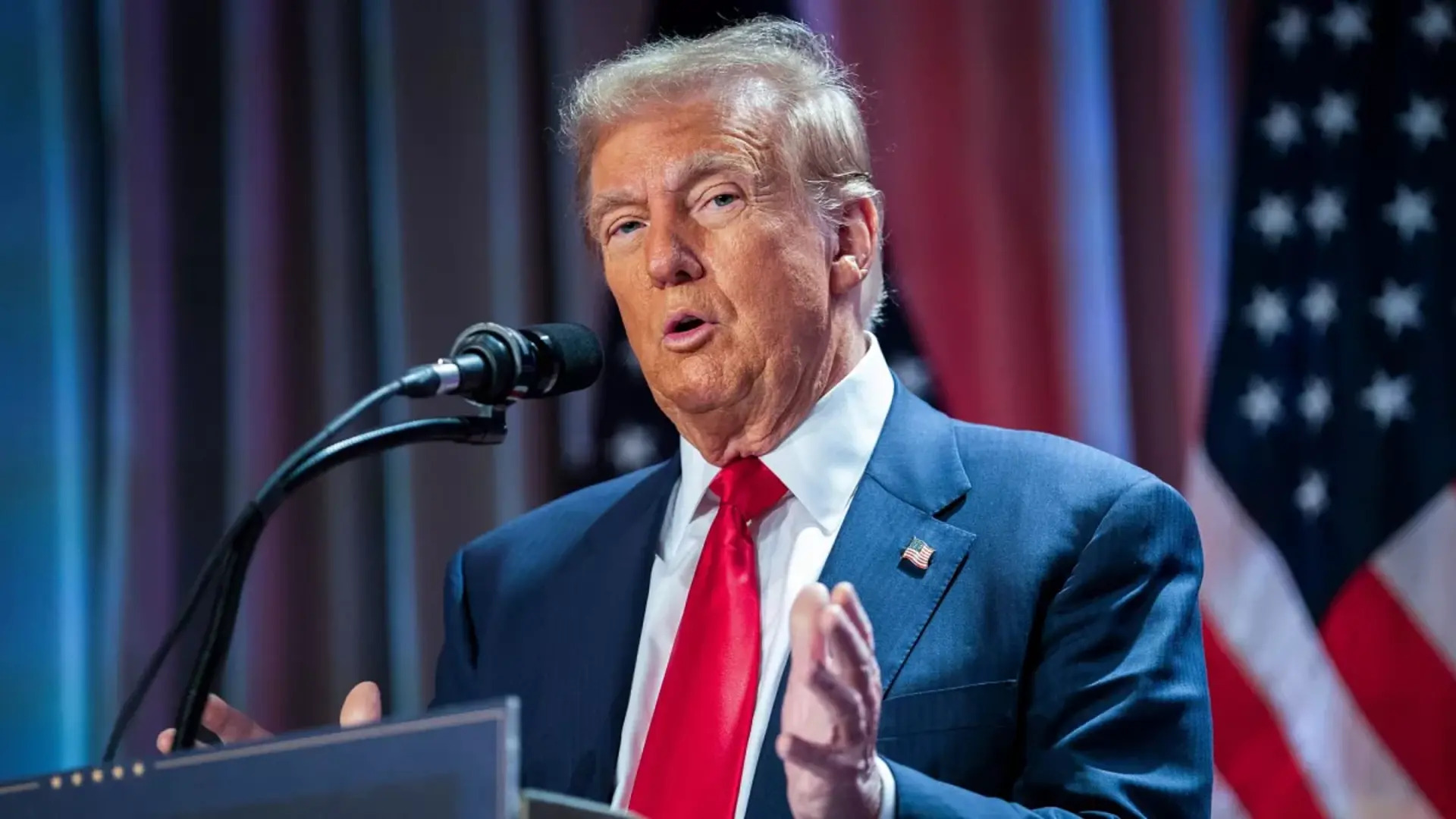 Donald Trump’s administration is working on plans to implement reciprocal tariffs on countries that impose duties on U.S. exports, escalating concerns of a potential global trade war. On Monday, Trump announced tariffs on all steel and aluminum imports, effective March 12, drawing sharp criticism from Mexico, Canada, and the European Union. Japan and Australia, however, are lobbying for exemptions.
The decision has sparked concerns among industries reliant on imported steel and aluminum, as they brace for increased costs. While some American workers welcome the move, many manufacturing businesses worry about the broader impact on supply chains.
Last week, Trump imposed a 10% tariff on Chinese goods, effective February 4, with China implementing retaliatory measures. He also delayed a 25% tariff on Mexican and Canadian goods until March 4 to allow negotiations over border security and fentanyl trafficking.
Trump has further signaled plans to introduce reciprocal tariffs targeting countries with duties on U.S. goods, along with potential tariffs on cars, semiconductors, and pharmaceuticals. However, structuring these tariffs poses challenges, as each nation’s trade policies vary. Trade experts warn that this approach could disrupt industries and burden consumers, especially if U.S. tariffs mirror high foreign duties on products like coffee, which the U.S. doesn’t produce domestically.
Legal options for implementing these tariffs include the Trade Act of 1974, the Tariff Act of 1930, and the International Emergency Economic Powers Act. However, experts caution that such moves may require congressional approval and could have unintended consequences.
Publisher: Mustakim Nibir
Copyright © 2026 The Times OF Dhaka. All rights reserved. প্রিন্ট করুন
 সেভ করুন