
Repatriation Pledge to Protect Image Abroad
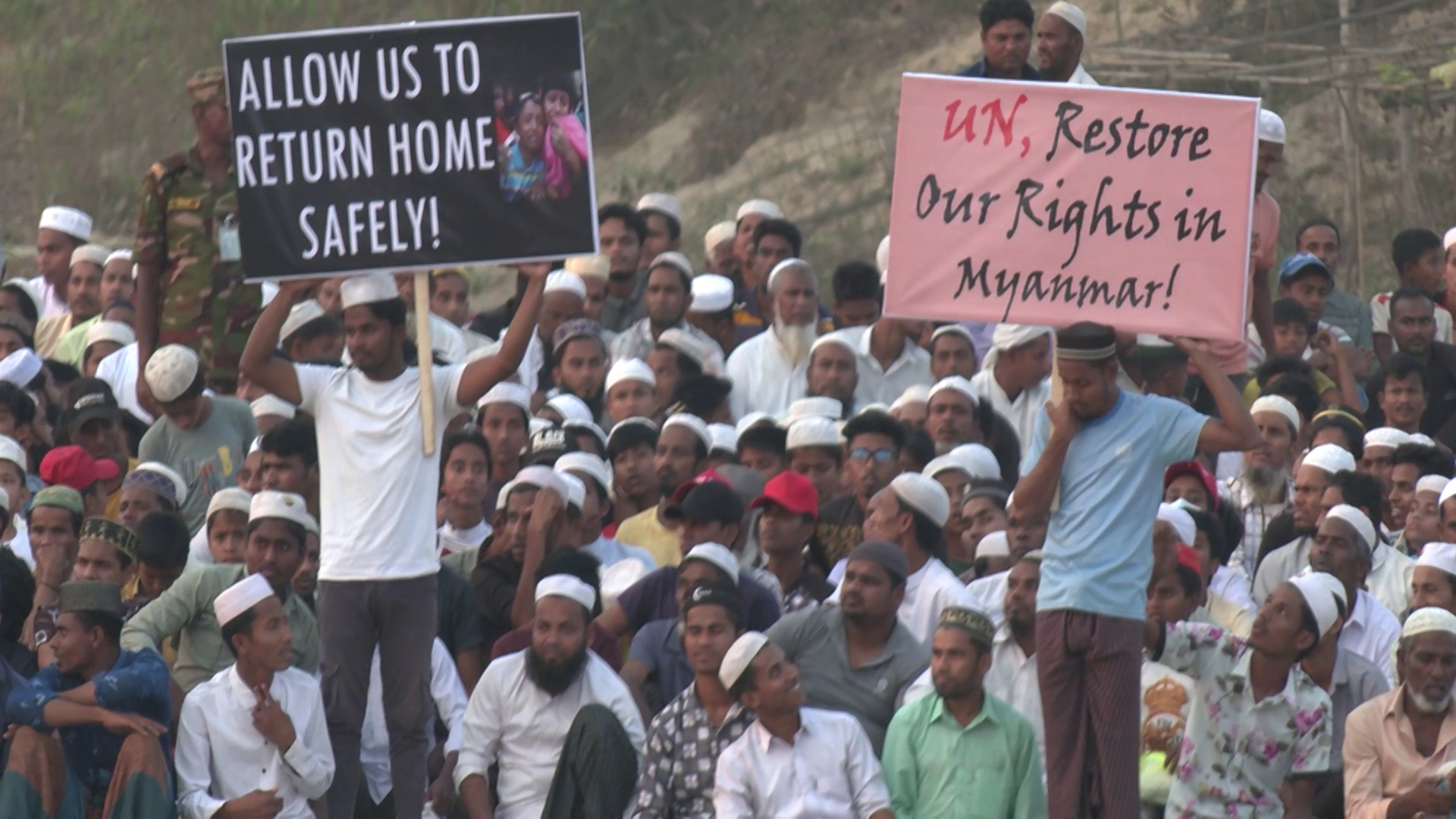 The Arakan Army now controls Myanmar’s Rakhine State, prompting experts to recommend international pressure rather than bilateral talks as the way forward for resolving the Rohingya crisis. According to them, Myanmar's military junta is using the recent mention of verifying 180,000 Rohingyas from a previously submitted list as a diplomatic strategy to ease pressure and maintain its global image.
Following his recent participation in global events—including the UN General Assembly and visits to China and the BIMSTEC summit in Thailand—Chief Adviser Dr. Muhammad Yunus has consistently raised the Rohingya issue on the international stage. On April 4, he shared a positive update on Facebook, stating that Myanmar has agreed to verify 180,000 Rohingyas from the 800,000 listed by Bangladesh between 2018 and 2020, and has given assurances regarding repatriation.
However, migration and international relations experts interpret this differently. Given that the military junta no longer controls Rakhine, and the area is now under the Arakan Army, they argue that bilateral discussions with the junta alone will not be effective. Instead, they advise Bangladesh to pursue a broader international approach to ensure safe and voluntary repatriation.
Shariful Hasan, an expert on refugees and migration, stated that Myanmar might have offered to discuss repatriation solely to appear cooperative on the global stage. Repatriation specialist Asif Munier added that Myanmar is currently in a state of conflict, and the previous list was created under a democratic government in 2018. Any repatriation plan now must ensure the safety of returnees; otherwise, Bangladesh could be held responsible for sending people back into a war zone.
Experts also see Myanmar’s actions as a diplomatic maneuver, using the promise of repatriation as a shield against international pressure. According to Asif Munier, Myanmar could argue that it is working with Bangladesh, so further international intervention is unnecessary.
Both Munier and Hasan emphasize the need for a clear, time-bound plan outlining when and how many Rohingyas will be repatriated each year. They also stress that any future Bangladeshi government must continue efforts to find a lasting resolution to the Rohingya crisis.
Publisher: Mustakim Nibir
Copyright © 2026 The Times OF Dhaka. All rights reserved. প্রিন্ট করুন
 সেভ করুন