
Is it safe to drink fresh date palm sap this year?
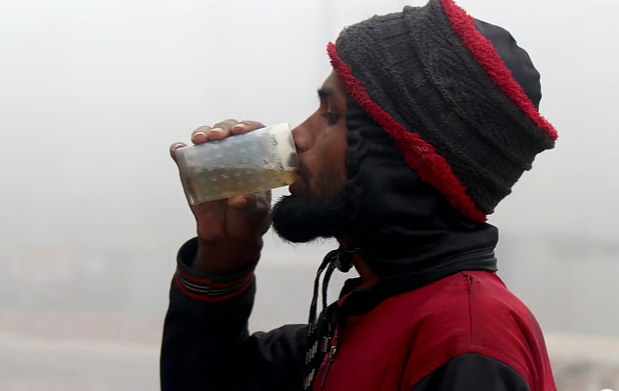
Since the onset of winter, reports of Nipah virus infections have emerged from different parts of the country. The virus has a high fatality rate of around 71.7 percent. Nipah virus spreads to humans mainly through consumption of date palm sap or fruits contaminated by bats. Infection can also occur through direct contact with infected animals or exposure to their saliva, urine, or feces. So far this year, cases of Nipah virus infection have been identified in 35 districts.
Symptoms
Common symptoms include fever, headache, breathing difficulties, and inflammation of the brain (encephalitis). In severe cases, patients may lose consciousness and face a high risk of death.
How it is diagnosed
In the early stage of infection, diagnosis is done using RT-PCR testing. After a few days, ELISA tests are used. Samples may be collected from the throat (throat swab), nose, blood, urine, or even cerebrospinal fluid taken from the spine.
Treatment
There is currently no proven antiviral treatment specifically effective against the Nipah virus. Medical care is mainly supportive, making prevention the most important measure. Treatment includes oral or intravenous fluids, adequate rest, paracetamol, oxygen therapy in case of breathing problems or low oxygen levels, and management of complications such as seizures or brain involvement. Research is still ongoing into potential antiviral drugs and monoclonal antibody therapies.
Prevention measures
-
Avoid drinking raw date palm sap. Sap that has been boiled or processed is safer to consume.
-
Do not eat fruits that show bite marks or signs of damage.
-
Wash fruits thoroughly, peel them before eating, and avoid trees frequented by bats.
-
If infection is suspected, samples should be sent to the Institute of Epidemiology, Disease Control and Research (IEDCR) and reported promptly.
-
Infected individuals should remain isolated in a separate room.
-
Caregivers should wash their hands frequently and wear masks.
-
If infection is confirmed, doctors and healthcare workers must use full personal protective equipment (PPE), including masks, gloves, and goggles.
-
Hospitals should use appropriate disinfectants.
-
In the event of death, the body should be transported in an airtight sealed bag.
Publisher: Mustakim Nibir
Copyright © 2026 The Times OF Dhaka. All rights reserved. প্রিন্ট করুন
 সেভ করুন