Failure to Control Mobs Could Undermine the Election, Says TIB

- Update Time : 10:51:59 am, Monday, 2 February 2026
- / 51 Time View


Transparency International Bangladesh (TIB) Executive Director Dr. Iftekharuzzaman has warned that failure by the government to rein in mob violence could have a direct impact on the February 12 national election.
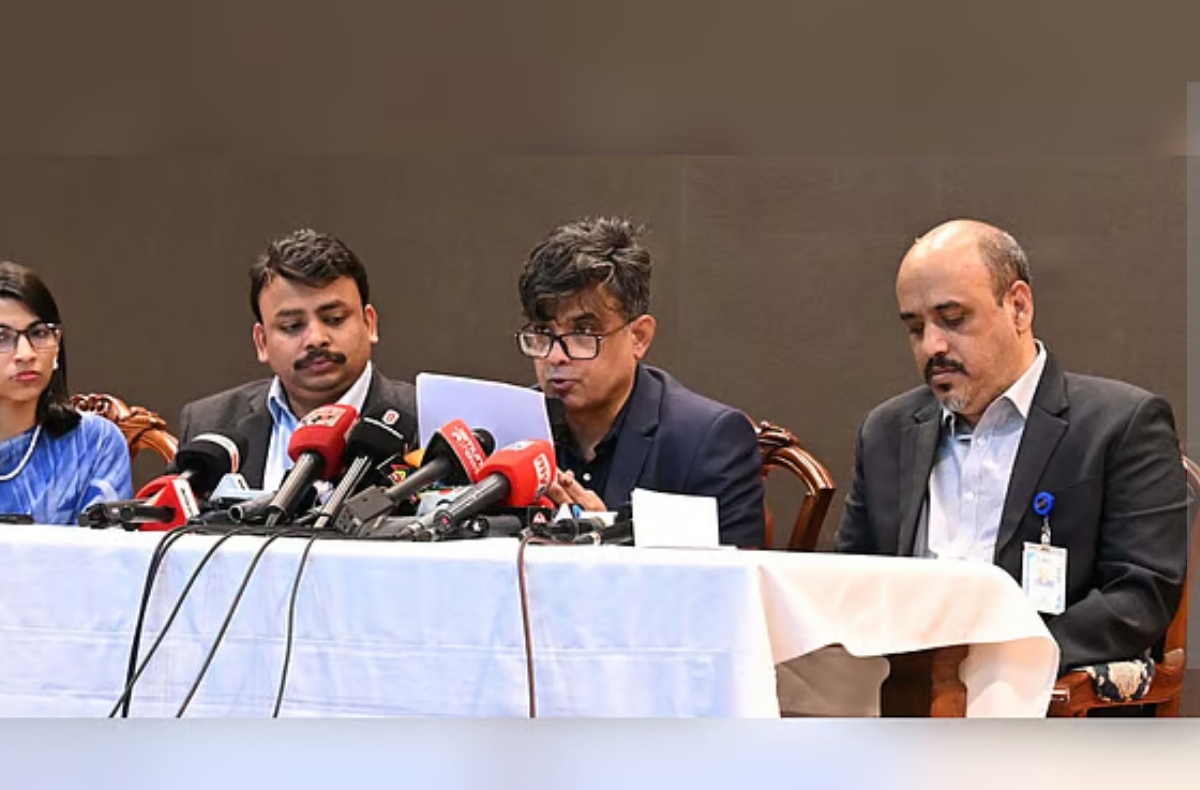
He made the remarks on Monday afternoon at an event held at TIB’s Dhanmondi office in Dhaka, responding to questions from journalists after the presentation of a research report titled “One and a Half Years After the Fall of Authoritarianism: Expectations and Outcomes.”
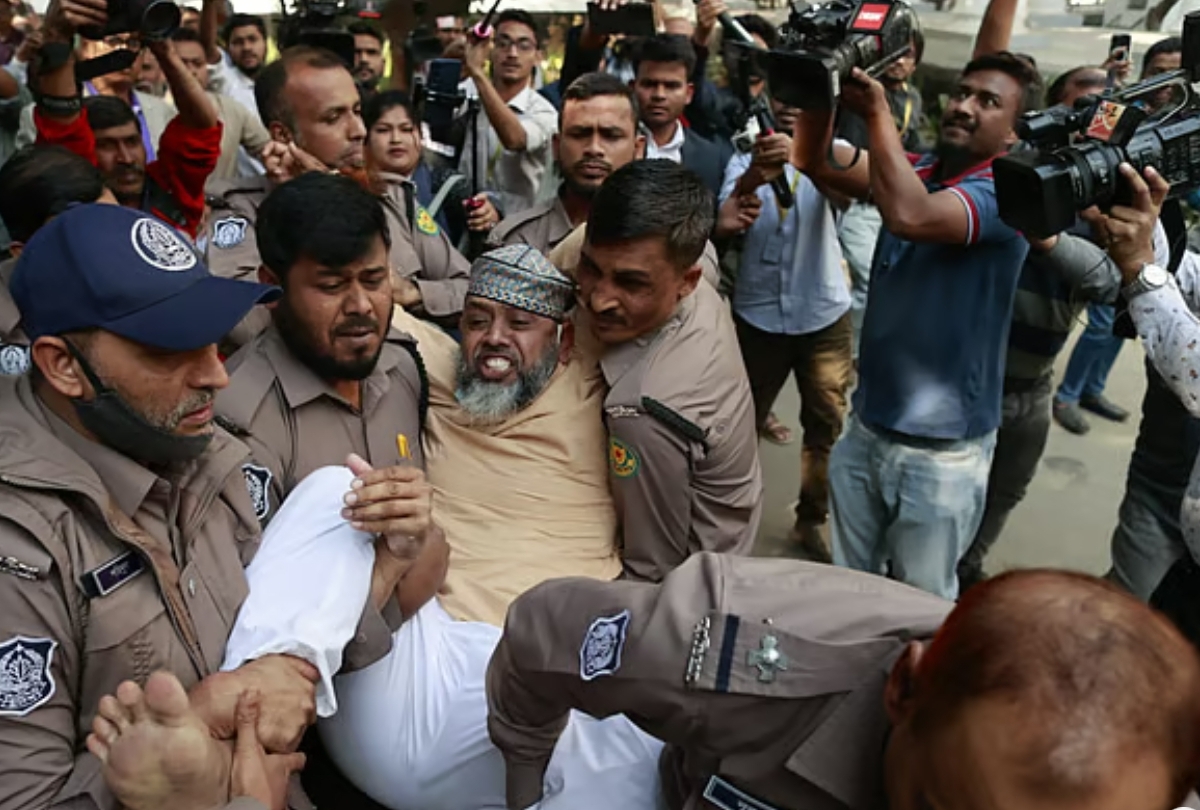
Dr. Iftekharuzzaman said that if mob-related violence is not properly contained, it will inevitably affect the election, just as it has influenced other aspects of public life. He stressed that the government bears responsibility, noting that it did not act decisively from the outset to prevent such violence.
Addressing the origins of mob violence, the TIB chief claimed that the phenomenon began from within the government itself. According to him, the first instance emerged at the Secretariat, the country’s administrative hub. He argued that external groups later became emboldened after mob incidents occurred within government premises, weakening the moral authority of the state.
Expressing hope, Dr. Iftekharuzzaman said there should be no further killings linked to the election. However, he cautioned that the risk of violence may persist not only on election day but also in the days following it. He added that the government is fully aware of these risks and has the authority and capacity to take preventive measures.
Referring to Bangladesh’s past electoral record, he voiced concern and urged authorities to learn from previous experiences to ensure violence-free polls this time.
Dr. Iftekharuzzaman also raised concerns over the post-July accountability process. He alleged that journalists have been detained in a sweeping manner under cases related to killings during the July movement, questioning whether such actions represent justice or retaliation. He warned that this approach could hinder the identification and accountability of the real perpetrators and collaborators of authoritarianism.
He emphasized that genuine accountability requires fair and credible trials of those truly responsible for serious crimes, including killings, human rights violations, corruption, money laundering, and tax evasion.
In response to another question, Dr. Iftekharuzzaman said politicians and bureaucrats had failed to learn lessons from the July movement, as they remain focused on preserving their own interests. He noted that objections were raised against nearly all proposals presented to the consensus commission aimed at ensuring public accountability in governance.
He explained that despite dissenting opinions, globally accepted practices prioritize implementing decisions backed by the majority. Whether this principle will be followed in Bangladesh remains uncertain, he said, adding that if a referendum delivers a “yes” verdict, the success of reforms will depend on the goodwill of those who come to power.
Criticizing the government’s Broadcasting Commission Ordinance and Media Commission Ordinance, Dr. Iftekharuzzaman said the media sector has been sidelined and exposed to new risks. He claimed that both internal and external forces were involved, with the government empowering outside actors excessively.
He questioned whether the interim government genuinely supports an environment where media can operate independently, professionally, and safely, describing the two media commissions as largely symbolic measures.
While acknowledging some positive steps taken during the interim government—such as the formation of a judicial appointment committee and moves toward an independent judicial secretariat—he said their effectiveness will ultimately be judged by the next government. He also pointed out that politicization within the judiciary remains a major challenge.
Dr. Iftekharuzzaman concluded by stressing that successful democratic reform requires firm political commitment to depoliticize state institutions and professional bodies.