
People Carry Both Expectations and Doubts
 There is widespread public distrust regarding law and order, but people hope that an elected government will improve the situation. Citizens also expect the government to create employment opportunities, attract investment, control inflation, ensure women’s safety, and protect freedom of expression.
The upcoming national parliamentary election is highly significant. For the first time in 16 years, people will get a chance to vote, which raises expectations. However, in some areas, hopes are tempered by doubts. Many remain skeptical about whether an elected government will effectively combat corruption or repatriate funds illicitly transferred abroad. This mix of hope and uncertainty emerged clearly in recent surveys.
Around 73% of respondents believe an elected government will succeed in maintaining law and order. However, public confidence in law enforcement institutions has eroded due to ethical and operational failures. It is unlikely that trust will be restored immediately after the new government takes office; rebuilding these institutions will require a long-term process. Historically, Bangladesh’s political culture has not fostered a strong belief that incoming governments can fully insulate law enforcement or administrative bodies from partisan influence.
More than 69% of people hope that an elected government will control inflation, which is considered a reasonable expectation. Over the past year and a half, domestic and foreign investment, as well as trade, have seen little progress, largely due to political instability and uncertainty. Citizens expect that elections will bring stability, boosting economic activity and creating employment opportunities.
Similarly, about 69% of respondents believe that the government will ensure a safe environment for women’s mobility. Although insecurity has always existed, it has increased significantly since the July uprising. Religious-political influences among the emerging power structures contribute to this perception. Some assume that if the BNP comes to power, it may adopt a moderate stance on women’s issues compared to other forces.
A recent backlash against recommendations from the Women’s Affairs Reform Commission highlighted the government’s failure to act decisively, signaling to society the need for a clear stance on gender issues. While some are cautiously optimistic that women’s rights may not deteriorate under a BNP government, confidence remains limited.
Regarding freedom of expression, 70% of respondents are optimistic that an elected government will uphold this right, at least in the short term. However, given Bangladesh’s political history, tolerance for dissent, criticism, and opposing views has traditionally been low.
On corruption, 48% of respondents believe an elected government will fail to curb it. This level of skepticism is unsurprising, considering the challenges of overcoming historical patterns of governance.
Repatriating funds illicitly transferred abroad is expected to be a slow and complex process. Experience from other countries shows that recovering such assets can take 7 to 10 years, with only about 1% of the total often returned. Survey participants appear realistic about this, with 38% believing the government will fail to recover funds lost during the previous administration. Despite these challenges, authorities should not give up and must focus on preventing future illicit transfers.
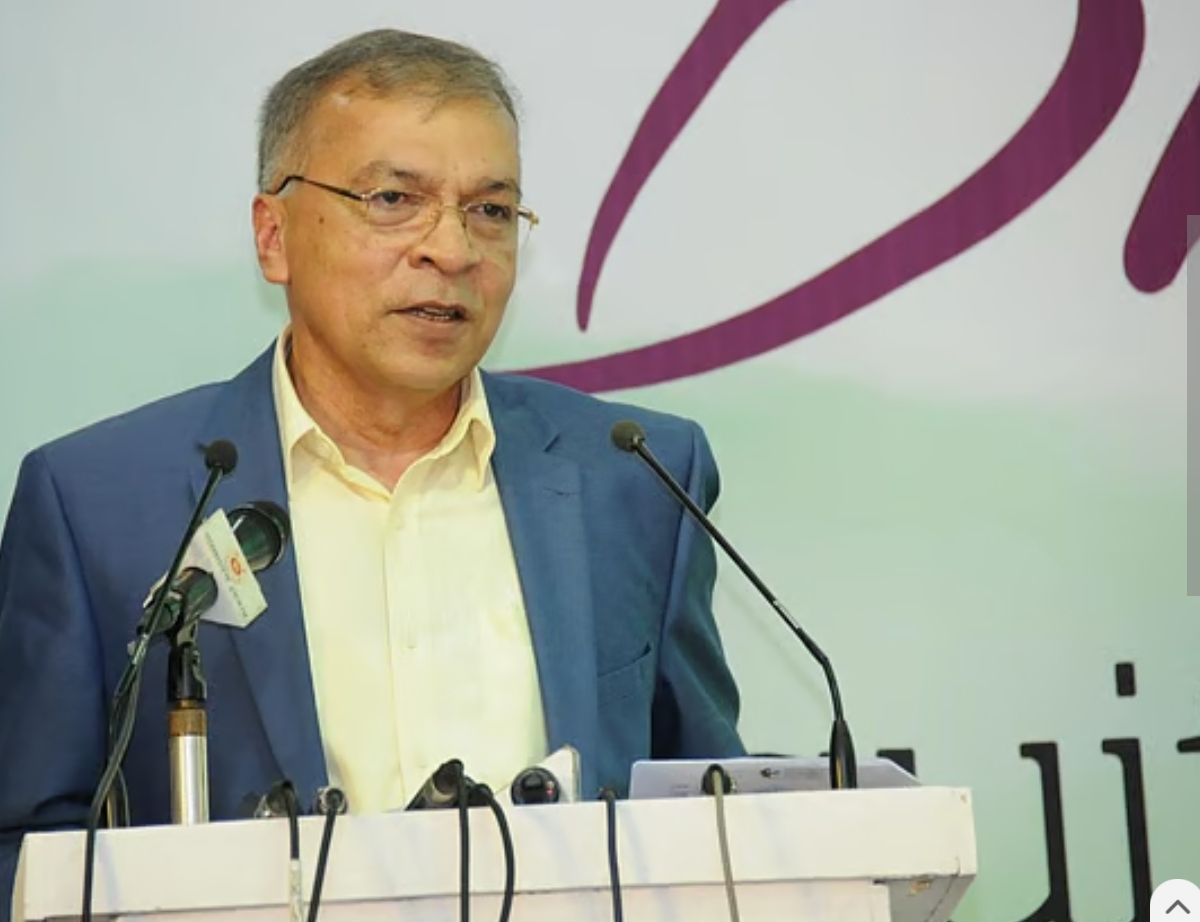
Iftikharuzzaman, Executive Director, Transparency International Bangladesh (TIB)
Publisher: Mustakim Nibir
Copyright © 2026 The Times OF Dhaka. All rights reserved. প্রিন্ট করুন
 সেভ করুন