Ramadan 2026: 29 or 30 Days and the Longest Fast Explained

- Update Time : 09:51:40 am, Sunday, 8 February 2026
- / 452 Time View
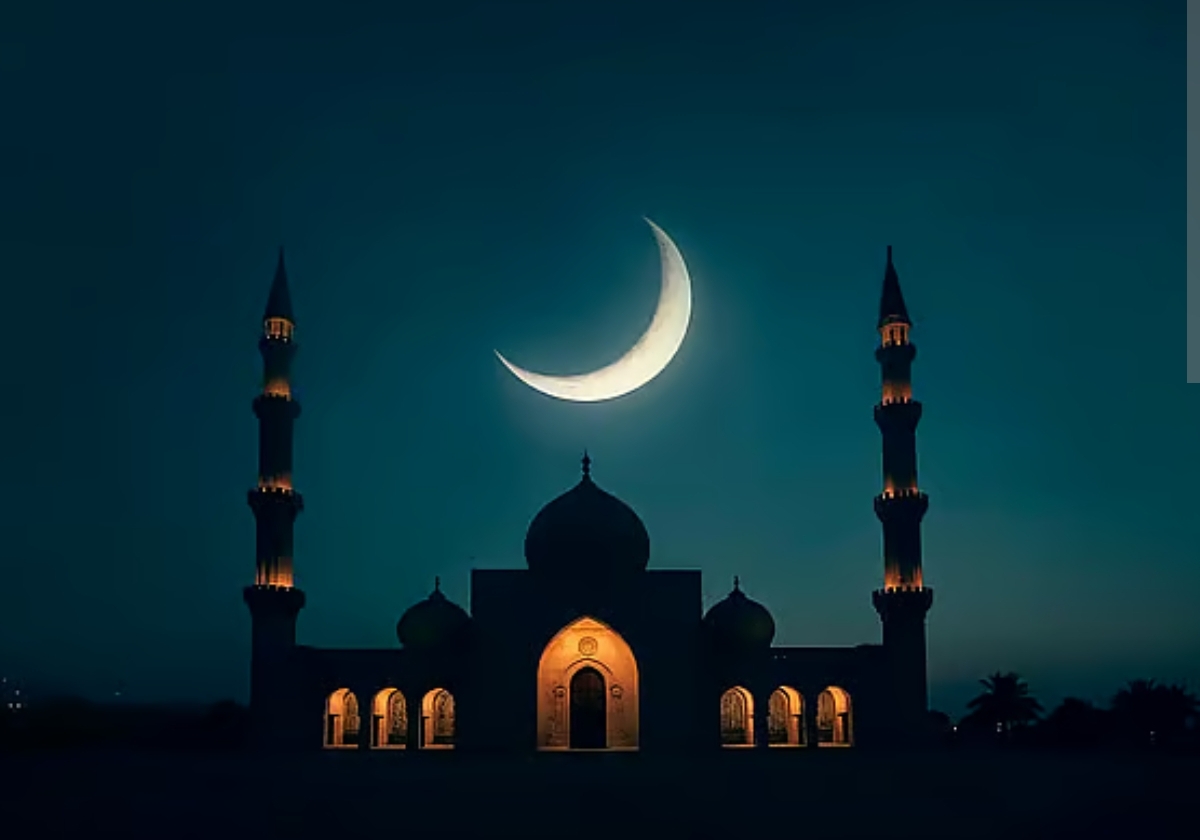

According to astronomical calculations, the beginning of the holy month of Ramadan may vary across different Muslim countries this year. Due to differences between moon sighting by the naked eye and scientific calculations, fasting could begin on 18 February in some countries, while others may start on 19 February.
Ibrahim Al Jarwan, a member of the Arab Union for Astronomy and Space Sciences and Chairman of the Emirates Astronomical Society, said that although there may be differing opinions about the start of Ramadan, the sighting of the Shawwal crescent at the end of the month is expected to be largely uniform. As a result, Eid-ul-Fitr is likely to be observed around 20 March in most Muslim countries.
Speaking to UAE-based media, Al Jarwan explained that space research data suggests Ramadan is more likely to last 29 days this year. Based on this assessment, fasting in the UAE could begin on Thursday, 19 February.
Astronomical data also indicates that the longest fasting duration during Ramadan may reach approximately 13 hours and 25 minutes. The earliest iftar is expected in Khor Fakkan, while the latest iftar will occur in Al Sila, located in the western region of the country.
Al Jarwan further noted that the new crescent moon of Ramadan for the year 2026 (1447 Hijri) will be born on Tuesday, 17 February at 4:01 PM UAE time. However, the moon will set just one minute after sunset on that day and will be only 2 hours and 12 minutes old, making it nearly impossible to be seen with the naked eye.
On the following day, Wednesday, 18 February, the moon is expected to be clearly visible after sunset in the UAE. Based on this, Thursday, 19 February is likely to mark the first day of Ramadan. If the month completes 29 days, Thursday, 19 March would be the last fast, and Friday, 20 March would mark Eid-ul-Fitr.
At the start of Ramadan in Abu Dhabi, the length of the day from sunrise to sunset will be around 11 hours and 32 minutes, while the fasting period from sehri to iftar will be approximately 12 hours and 46 minutes. By the end of the month, daylight hours are expected to increase to about 12 hours and 12 minutes, with fasting time extending to nearly 13 hours and 25 minutes.
Due to the UAE’s geographical diversity, there will also be noticeable differences in sehri and iftar timings across the country. Residents of Khor Fakkan and the eastern coastal areas will observe sehri and iftar about 8 minutes earlier than Abu Dhabi, while people in Al Sila and Al Ghuwaifat will break their fast approximately 12 minutes later, creating a maximum time difference of up to 20 minutes nationwide.