How New Is the New Prime Minister’s Cabinet?

- Update Time : 06:43:50 am, Thursday, 19 February 2026
- / 30 Time View

How New Is the New Prime Minister’s Cabinet?
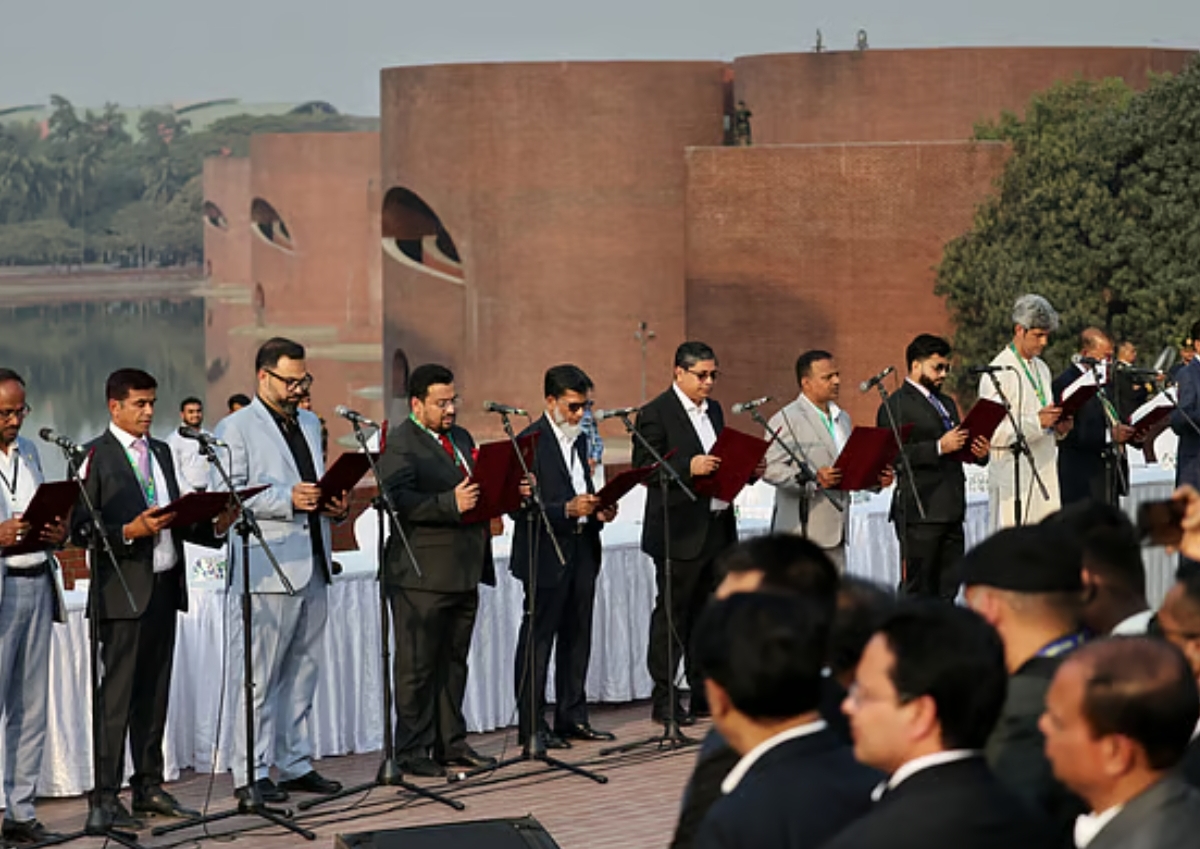
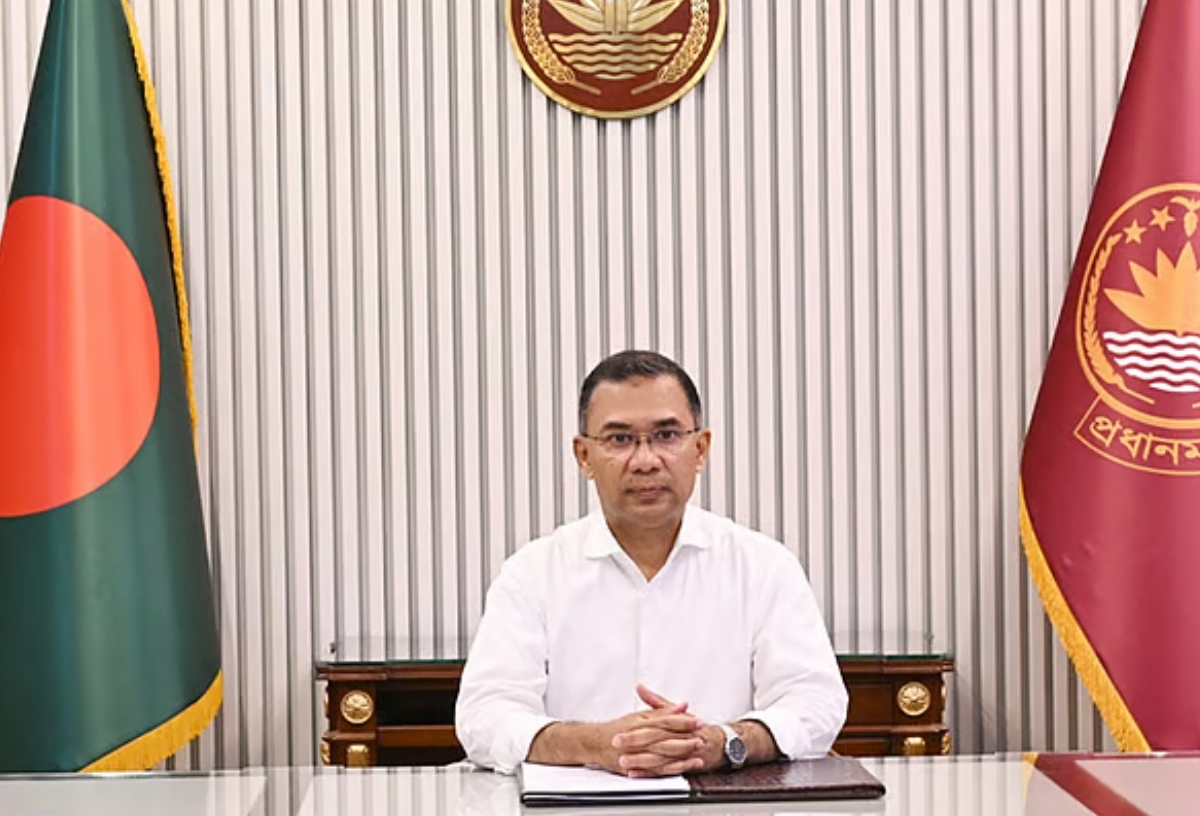
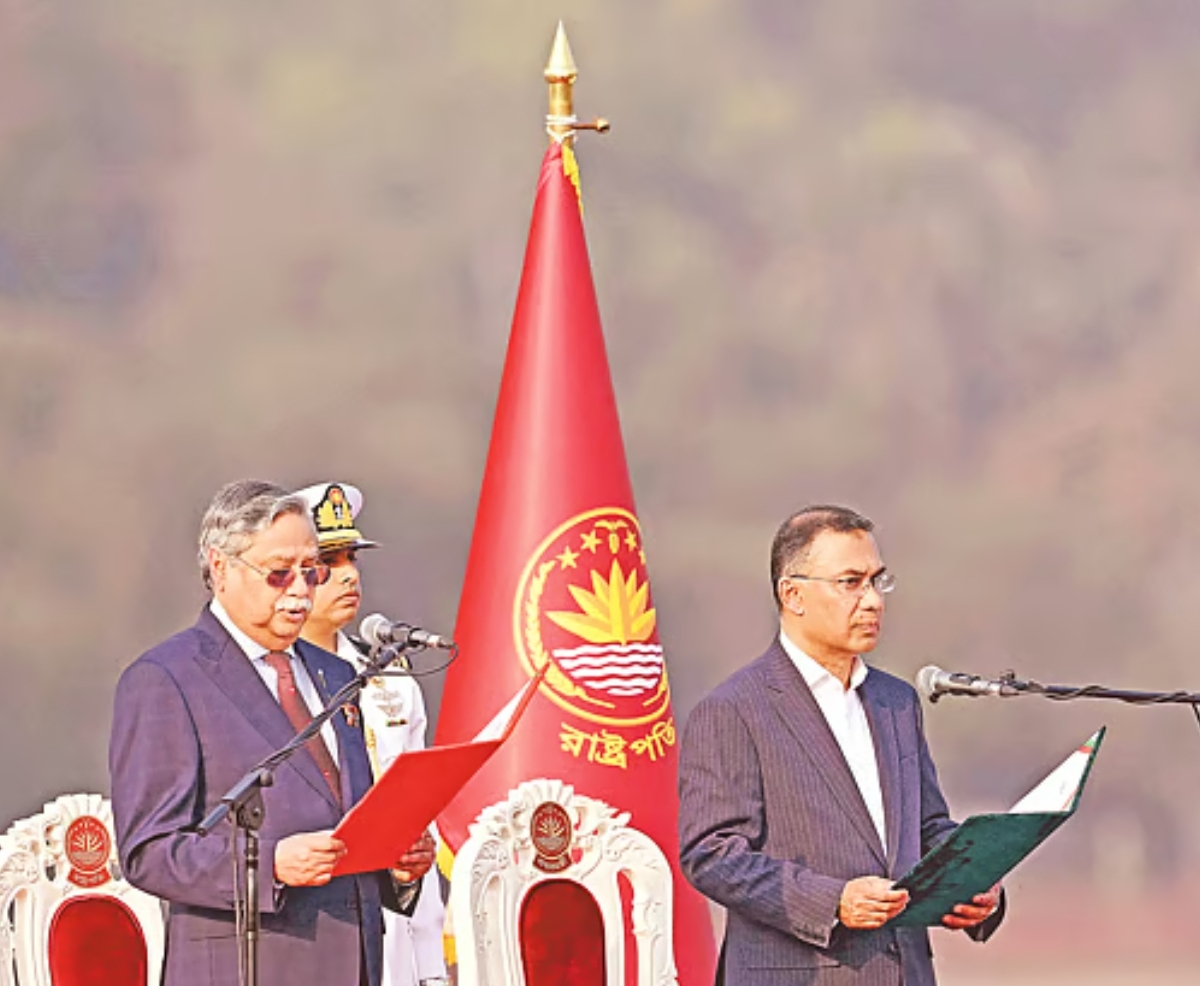
There was little doubt that BNP Chairperson Tarique Rahman would become Prime Minister in the party-led government. On Tuesday morning, the BNP parliamentary party unanimously chose him as leader of the House, paving the way for the President to invite him to form the government—as is customary for the majority party.
The BNP had indicated that the new cabinet would be relatively small and feature a mix of experienced and younger leaders. While it is true that younger figures have been given prominence, questions remain about whether many of them are adequately prepared for the responsibilities of their ministries.
One major concern is the apparent lack of regional balance. Reports suggest that as many as 25 districts have no representation in the cabinet, particularly areas where the BNP performed poorly in the election. This exclusion may leave people in those regions feeling overlooked or marginalized.
There are also inconsistencies in how ministries have been structured and assigned. In some cases, relatively small ministries have both a full minister and a state minister, which may create confusion or overlap in authority. In other cases, individuals have been given portfolios that do not align with their experience or expertise.
The issue of potential conflicts of interest is another concern. Appointing individuals with strong business ties to economic ministries, for example, can raise questions about impartiality. Past governments have often overlooked this issue, and it appears that the current administration has not fully addressed it either.
Prime Minister Tarique Rahman has retained control of key areas such as the Cabinet Division, Defence Ministry, and Armed Forces Division—something that is not unusual. However, the distribution of other গুরুত্বপূর্ণ ministries among senior and junior members has raised eyebrows due to mismatches between roles and qualifications.
There are also structural concerns, such as combining unrelated sectors under one ministry, while in other cases, multiple ministers have been assigned to relatively minor departments. Additionally, some key sectors appear to have been assigned without clear strategic reasoning.
Representation is another area of criticism. Women and minority groups have very limited presence in the cabinet, which contradicts the party’s stated commitment to inclusivity and empowerment.
Although the BNP initially suggested forming a small or mid-sized cabinet, the final outcome does not reflect that promise. The cabinet includes around 50 members, along with additional advisers holding ministerial status—making it significantly larger than expected.
In well-established democracies, potential ministers are often groomed in advance, sometimes through shadow cabinets or similar structures. Such practices help ensure readiness for governance. However, this culture has not been firmly established in Bangladesh, partly due to long periods outside parliamentary participation.
The appointment of Khalilur Rahman as Foreign Minister has sparked debate. Previously associated with an interim administration led by Muhammad Yunus, his inclusion raises questions about political consistency and internal party dynamics.
Overall, the new cabinet appears somewhat disorganized and influenced by competing interests. Despite promises of change, it does not strongly reflect a break from past practices. What citizens now expect is effective leadership, accountability, and better governance.