Dhaka 4:56 am, Monday, 2 March 2026

If Khamenei Is Dead, Who Will Lead Iran Now?

Staff Correspondent:
  • Update Time : 05:08:32 am, Sunday, 1 March 2026
  • / 51 Time View

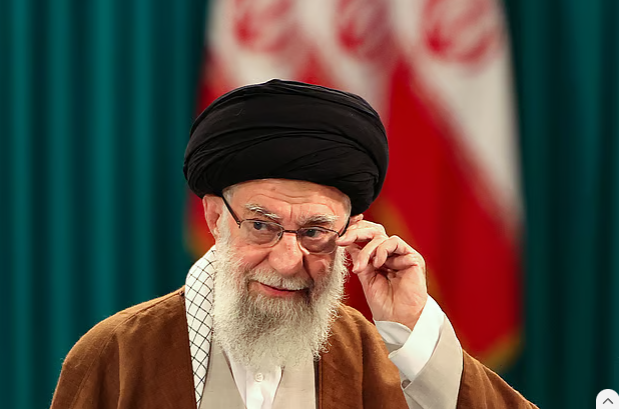
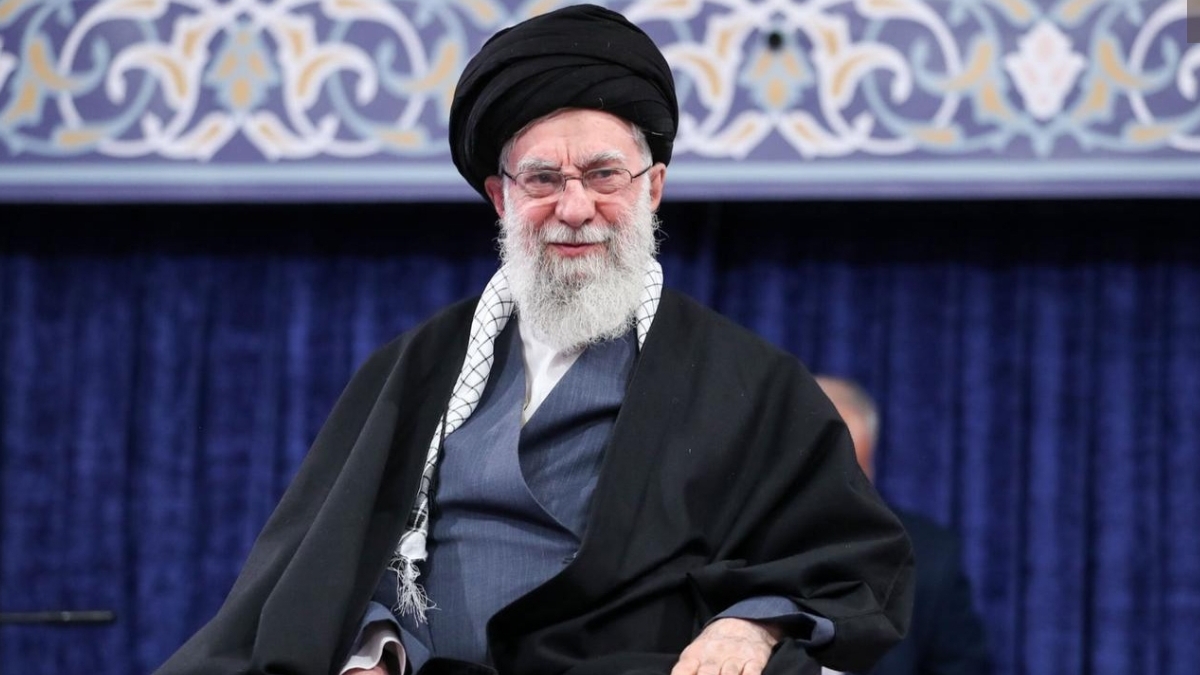
Iran’s Supreme Leader Ayatollah Ali Khamenei has reportedly been killed raising urgent questions about who will take charge of the country.

According to a report by Al Jazeera, Iran’s constitution clearly outlines the procedure to follow if the Supreme Leader dies. Under that framework, a three-member council temporarily assumes authority. This body is made up of the president, the head of the judiciary, and a senior cleric from the Guardian Council.

Coverage from BBC states that Iranian authorities have confirmed this interim arrangement. At the same time, the Assembly of Experts will begin the formal process of selecting a new Supreme Leader, as required by the constitution. The law mandates that this appointment be made as quickly as possible, although ongoing security concerns linked to attacks by the United States and Israel could make it difficult for members to gather promptly.

Iran has declared 40 days of national mourning starting March 1 following the reported death of Khamenei. When the founder of the Islamic Republic, Ayatollah Ruhollah Khomeini, died in 1989, Khamenei was appointed Supreme Leader on the same day.

There are also reports that Ali Larijani, secretary of Iran’s National Security Council, has been granted certain authorities during this transitional period.

According to Reuters, Khamenei was killed at his office in Tehran on Saturday morning amid attacks attributed to the United States and Israel. Iranian officials have confirmed his death. Further reports from the BBC indicate that Iran has officially declared a 40-day period of state mourning.

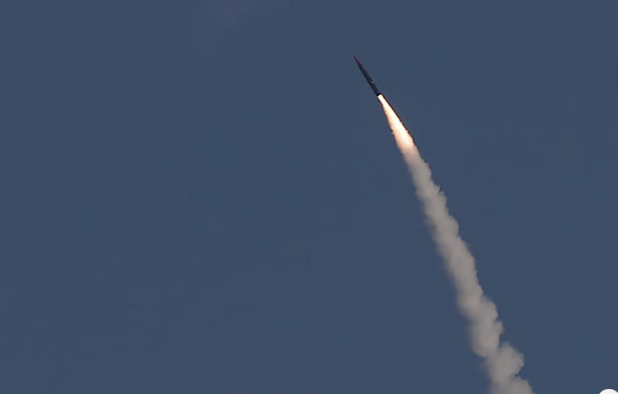
The escalation began with intense strikes across Iran, reportedly carried out by the United States and Israel. In response, Iran launched missile attacks targeting U.S. bases in Israel and several Gulf countries.

U.S. President Donald Trump said the objectives behind the strikes were threefold: to eliminate what he described as an imminent threat related to Iran’s nuclear program, to destroy Iran’s missile systems and naval capabilities, and to pursue regime change in Tehran.
Tag :

Please Share This Post in Your Social Media

If Khamenei Is Dead, Who Will Lead Iran Now?

Update Time : 05:08:32 am, Sunday, 1 March 2026

Iran’s Supreme Leader Ayatollah Ali Khamenei has reportedly been killed raising urgent questions about who will take charge of the country.

According to a report by Al Jazeera, Iran’s constitution clearly outlines the procedure to follow if the Supreme Leader dies. Under that framework, a three-member council temporarily assumes authority. This body is made up of the president, the head of the judiciary, and a senior cleric from the Guardian Council.

Coverage from BBC states that Iranian authorities have confirmed this interim arrangement. At the same time, the Assembly of Experts will begin the formal process of selecting a new Supreme Leader, as required by the constitution. The law mandates that this appointment be made as quickly as possible, although ongoing security concerns linked to attacks by the United States and Israel could make it difficult for members to gather promptly.

Iran has declared 40 days of national mourning starting March 1 following the reported death of Khamenei. When the founder of the Islamic Republic, Ayatollah Ruhollah Khomeini, died in 1989, Khamenei was appointed Supreme Leader on the same day.

There are also reports that Ali Larijani, secretary of Iran’s National Security Council, has been granted certain authorities during this transitional period.

According to Reuters, Khamenei was killed at his office in Tehran on Saturday morning amid attacks attributed to the United States and Israel. Iranian officials have confirmed his death. Further reports from the BBC indicate that Iran has officially declared a 40-day period of state mourning.

The escalation began with intense strikes across Iran, reportedly carried out by the United States and Israel. In response, Iran launched missile attacks targeting U.S. bases in Israel and several Gulf countries.

U.S. President Donald Trump said the objectives behind the strikes were threefold: to eliminate what he described as an imminent threat related to Iran’s nuclear program, to destroy Iran’s missile systems and naval capabilities, and to pursue regime change in Tehran.