War Raises Risk of Water Shortages Across the Middle East

- Update Time : 07:40:23 am, Monday, 9 March 2026
- / 21 Time View
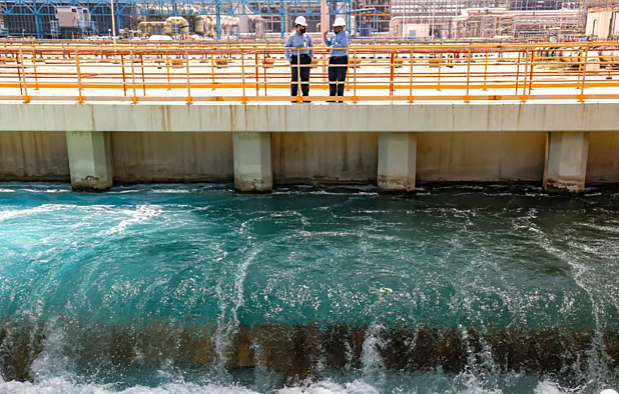

A drone strike attributed to Iran has damaged a desalination facility in Bahrain, raising concerns about water security across the Middle East. The incident occurred on the ninth day of the escalating conflict between Iran, Israel, and the United States, marking the first time a desalination plant in a Gulf state has reportedly been hit during the current hostilities.
Just a day earlier, Iran’s foreign minister Abbas Araghchi accused the United States of striking a desalination facility on Qeshm Island in southern Iran. In a post on the social platform X, he said the attack disrupted water supplies for around 30 villages and warned that targeting such infrastructure could have severe consequences.
Why Desalination Plants Matter
Desalination plants convert seawater into drinkable water by removing salt and impurities. This is usually done through thermal processes that evaporate and condense water, or through membrane technologies such as reverse osmosis, which filter salt using specialized membranes.
These facilities are crucial in the Persian Gulf region, where rainfall is scarce and natural freshwater resources are limited. More than 400 desalination plants operate along the coast from the United Arab Emirates to Kuwait, providing a large share of the region’s water supply.
Countries in the Gulf Cooperation Council collectively hold around 60% of the world’s desalination capacity and produce roughly 40% of the planet’s desalinated water. In some states the dependence is extremely high—about 90% of drinking water in Kuwait, around 86% in Oman, and roughly 70% in Saudi Arabia comes from desalination.
Risks During Conflict
Because Gulf countries rely so heavily on these plants, any attack on them could cause serious disruptions to daily life and economic activity. Smaller and water-scarce states such as Qatar, Bahrain, and Kuwait could be particularly vulnerable if major facilities stop operating.
Experts warn that damage to desalination systems could also affect food production, since agriculture in the region depends heavily on limited water resources. Disruptions to shipping routes like the Strait of Hormuz could further worsen the situation by threatening food imports.
Securing Water Supply
Analysts say Gulf nations need stronger regional cooperation to protect water infrastructure. Possible solutions include creating a shared water grid, building larger emergency reserves, and investing in smaller desalination plants powered by renewable energy to reduce dependence on a few major facilities.
Despite these risks, specialists note that desalination remains essential for the foreseeable future. Without it, maintaining water supplies—and normal daily life—in much of the Gulf region would be extremely difficult.