Future of Bangladesh–India Relations: What Lies Ahead?

- Update Time : 03:34:58 am, Sunday, 15 March 2026
- / 28 Time View
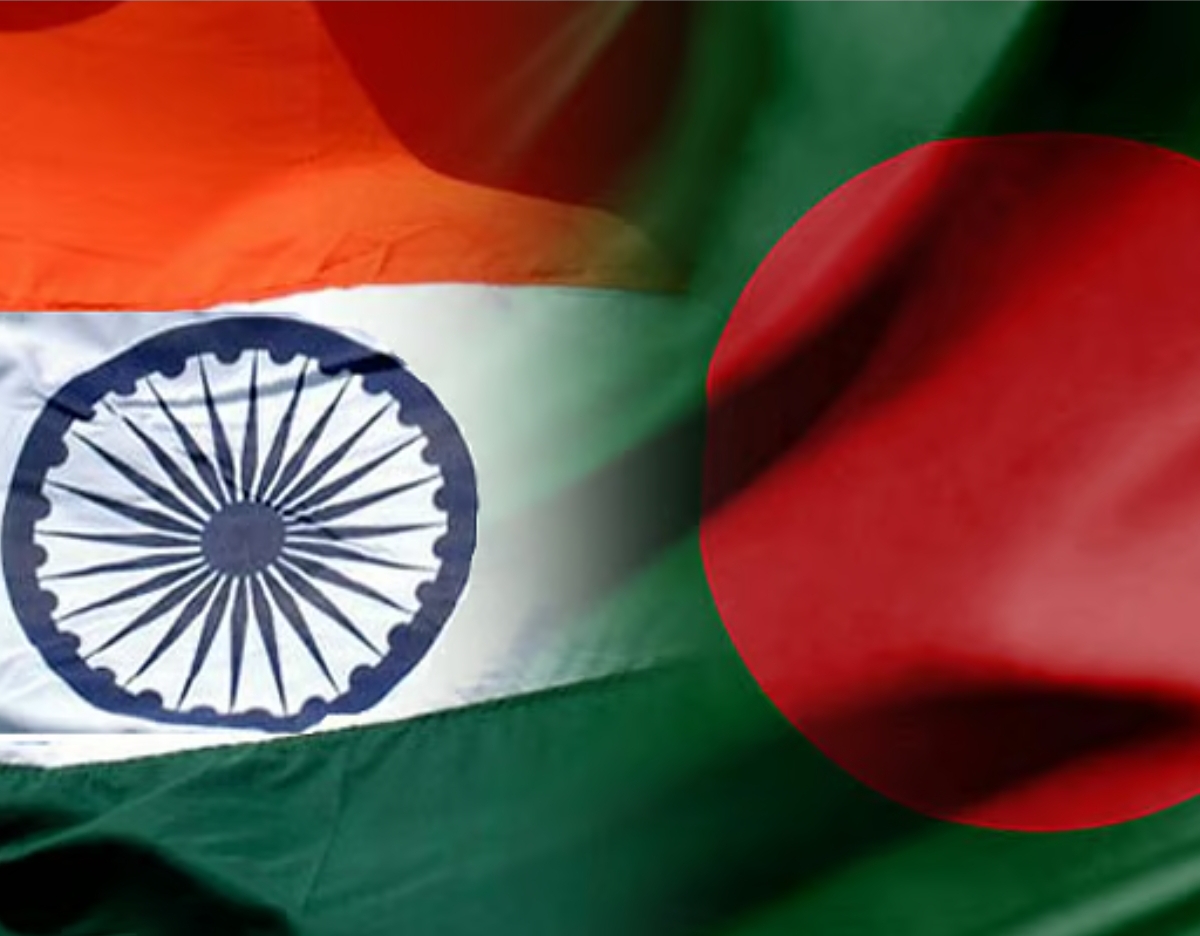

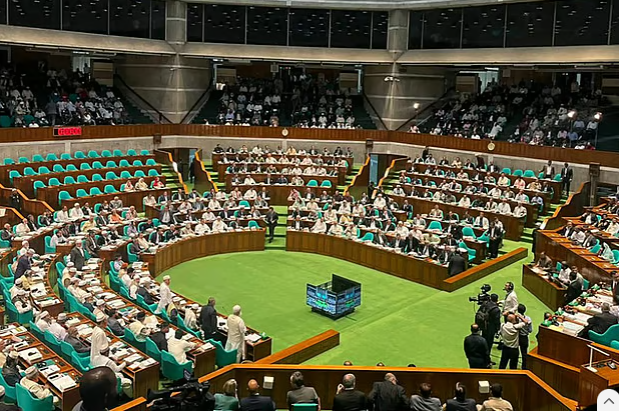
Political change has also taken place in Bangladesh through elections. The BNP secured a major victory and formed the government, with Tarique Rahman now serving as prime minister. The strong influence once held by young student leaders during the period of the Muhammad Yunus administration has largely faded. In foreign policy, the BNP government is expected to move forward based on its own strategic calculations.
These two developments are shaping the current dynamics of relations between Bangladesh and India. Recently, leaders from both sides have taken several steps that appear to encourage renewed engagement.
The resumption of Indian visas for Bangladeshi citizens seems to be only a matter of time. Meanwhile, the Bangladeshi government has decided to restart issuing visas to Indian nationals from its missions in New Delhi and Agartala, after nearly two months of suspension. Limited transport services between Kolkata and Tripura through Bangladeshi territory have also resumed.
According to a report by the Indian digital outlet ThePrint, within weeks of the new government taking office in Dhaka, the head of Bangladesh’s military intelligence, Major General Mohammad Qaiser Rashid Chowdhury, visited New Delhi. During the trip, he reportedly held meetings with senior intelligence officials, where discussions focused on restoring normal relations.
During the holy month of Ramadan, the High Commission of India in Dhaka hosted an iftar gathering for Bangladeshi politicians and prominent figures. Earlier, after being elected as opposition leader, Shafiqur Rahman, the chief of Bangladesh Jamaat-e-Islami, also had a courtesy meeting with India’s foreign secretary Vikram Misri.
Such inclusive diplomatic gestures from India would have been difficult to imagine during the time of Sheikh Hasina, or even during the interim administration. At that time, the policy of Narendra Modi was widely viewed as being closely tied to relations with the Awami League government. Several Indian think tanks had criticized this approach, describing it as putting all diplomatic reliance on a single political partner.
It may also not be coincidental that, after a long period, Indian police arrested the main suspect in the killing of Inquilab Mancha convener Osman Hadi—Faisal Karim Masud—along with his associate Alamgir.
The Bangladesh Nationalist Party also appears interested in stabilizing relations with India. Party Secretary General Mirza Fakhrul Islam Alamgir has said that Sheikh Hasina’s stay in India should not become an obstacle to improving ties. However, the BNP leadership is likely to move cautiously, keeping in mind public sentiment. In Bangladesh, there are still many critics who remain skeptical about India’s intentions. As long as debates over “Delhi versus Dhaka” continue on the political streets, Prime Minister Tarique Rahman may choose to proceed carefully.
Even so, if both governments continue to engage sincerely and focus on positive areas of cooperation, relations could gradually warm. Over time, the tensions that have built up between the two neighbors may slowly begin to ease.