Evening Shop Closures Hurt Sales; Traders Offer Alternatives

- Update Time : 04:13:03 am, Monday, 6 April 2026
- / 22 Time View

Reduced Evening Hours Cut Sales; Traders Suggest Alternative Schedule
Dhaka, April 6, 2026
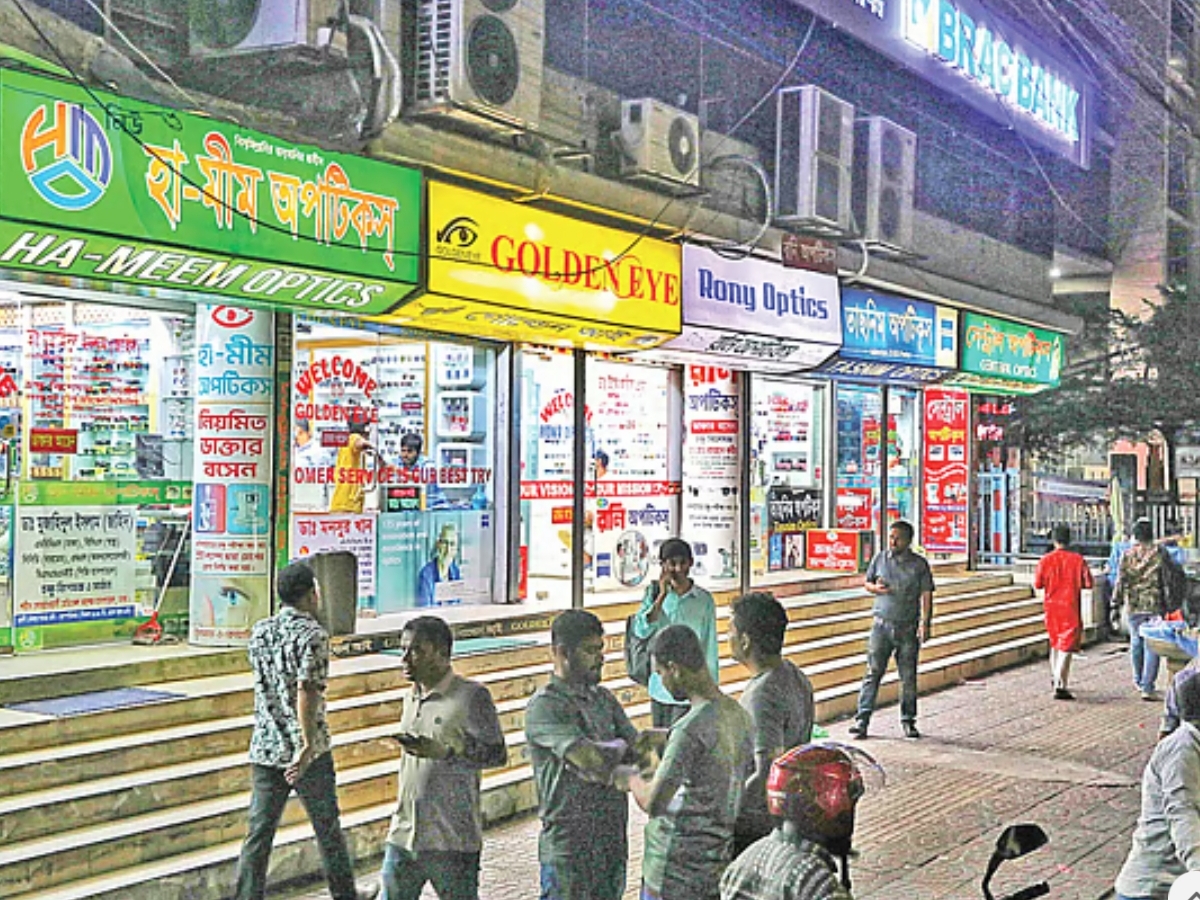
Business owners across the capital say their sales have dropped significantly after the government shortened shop and shopping mall hours in the evening to save electricity.
Under the new directive, stores are allowed to remain open until 7 PM. However, traders argue that this has reduced their daily business hours by two to three hours, leading to a sharp decline in sales across sectors such as clothing, footwear, jewelry, and household goods. Many report that their revenue has fallen by nearly half compared to normal periods.
According to several brand owners, around 40% of daily sales usually occur before evening, while the remaining 60% happens after evening. With early closures, that crucial sales window has been lost. They warn that if the situation continues, many businesses will struggle to cover employee salaries, rent, and other operational costs. Government revenue from VAT may also decrease as a result.
Traders Propose New Timing
To balance energy savings with economic activity, business leaders have suggested a revised schedule: opening shops from 1 PM to 9 PM. They argue that customer traffic is typically low in the morning, making those hours less productive. This adjustment, they say, could reduce electricity use during low-demand periods while preserving peak shopping hours in the evening.
Background to the Decision
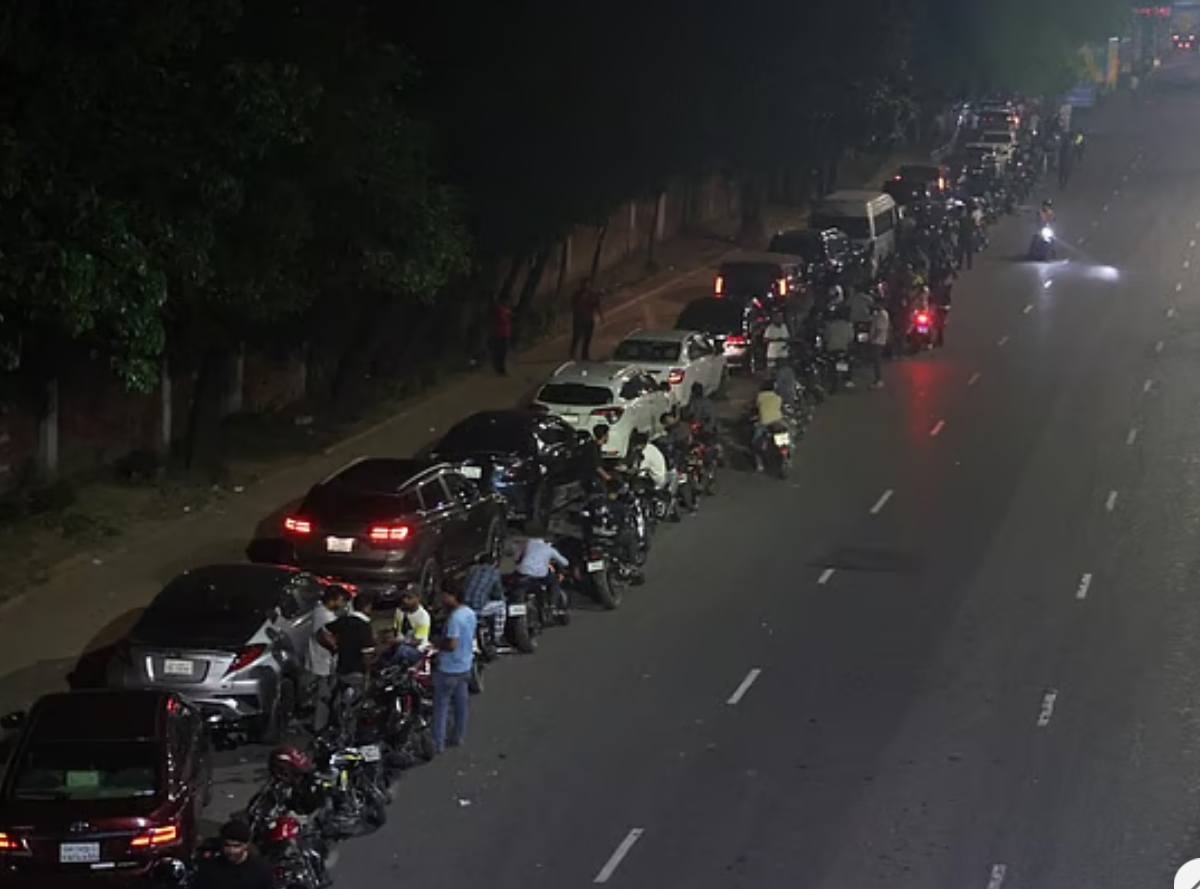
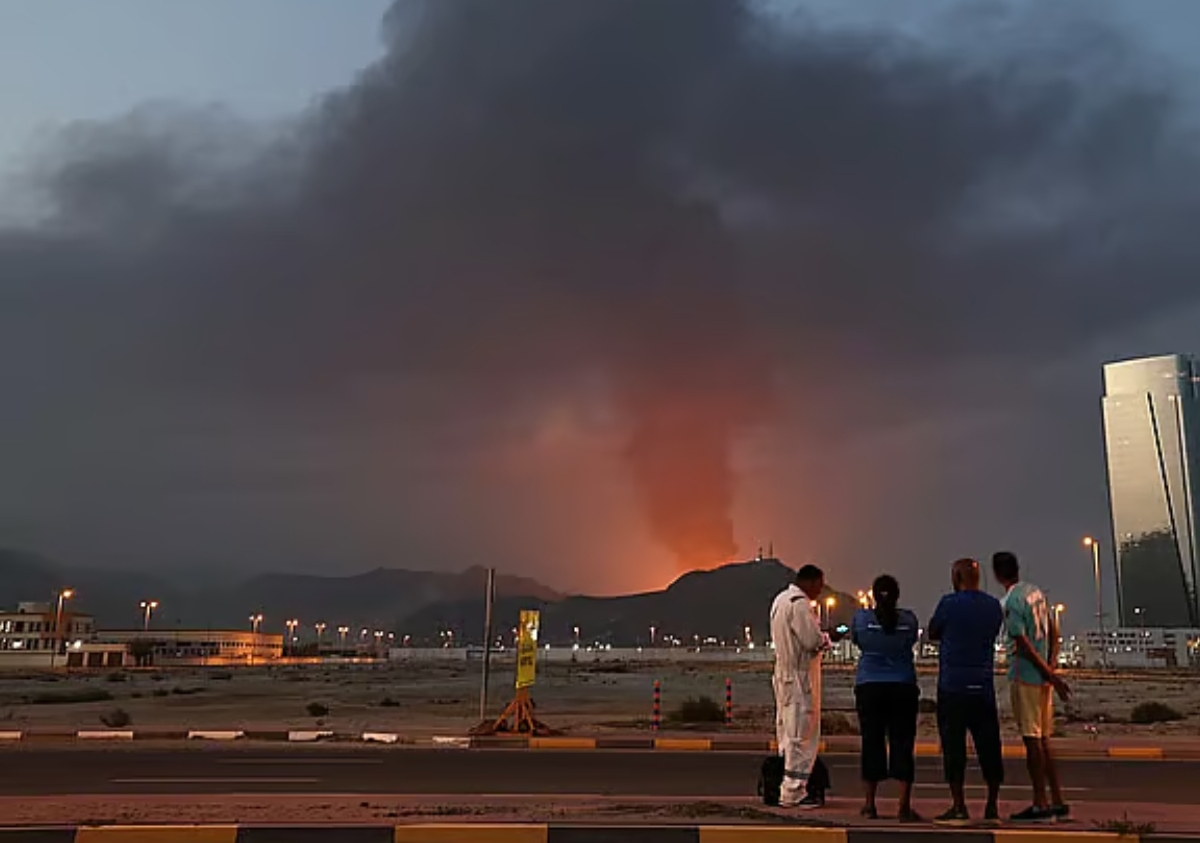
The change in business hours comes amid a global energy crisis triggered by ongoing tensions in the Middle East. In response, the government recently reduced office hours by one hour and initially set shop closing time at 6 PM, later extending it to 7 PM.
Despite this adjustment, traders say the extra hour provides little relief. Many customers prefer to shop after office hours, and the gap between office closing time and shop closing time has increased, limiting shopping opportunities.
Impact on the Economy
Industry sources estimate that Bangladesh has around 7 million retail businesses, supporting millions of workers directly and indirectly. The retail and wholesale sector contributes about 15% to the country’s GDP.
Business owners also note that commercial sectors, including retail, use only a small portion of national electricity—around 8–10%, with retail shops accounting for just 2–3%. They argue that reducing shop hours offers limited energy savings but creates widespread economic disruption.
Alternative Energy-Saving Measures
Instead of early closures, traders suggest other ways to conserve electricity, such as:
Reducing unnecessary lighting
Using energy-efficient bulbs
Limiting elevator use in shopping malls
They believe these steps could help save power without severely affecting business operations.
Expert Opinion
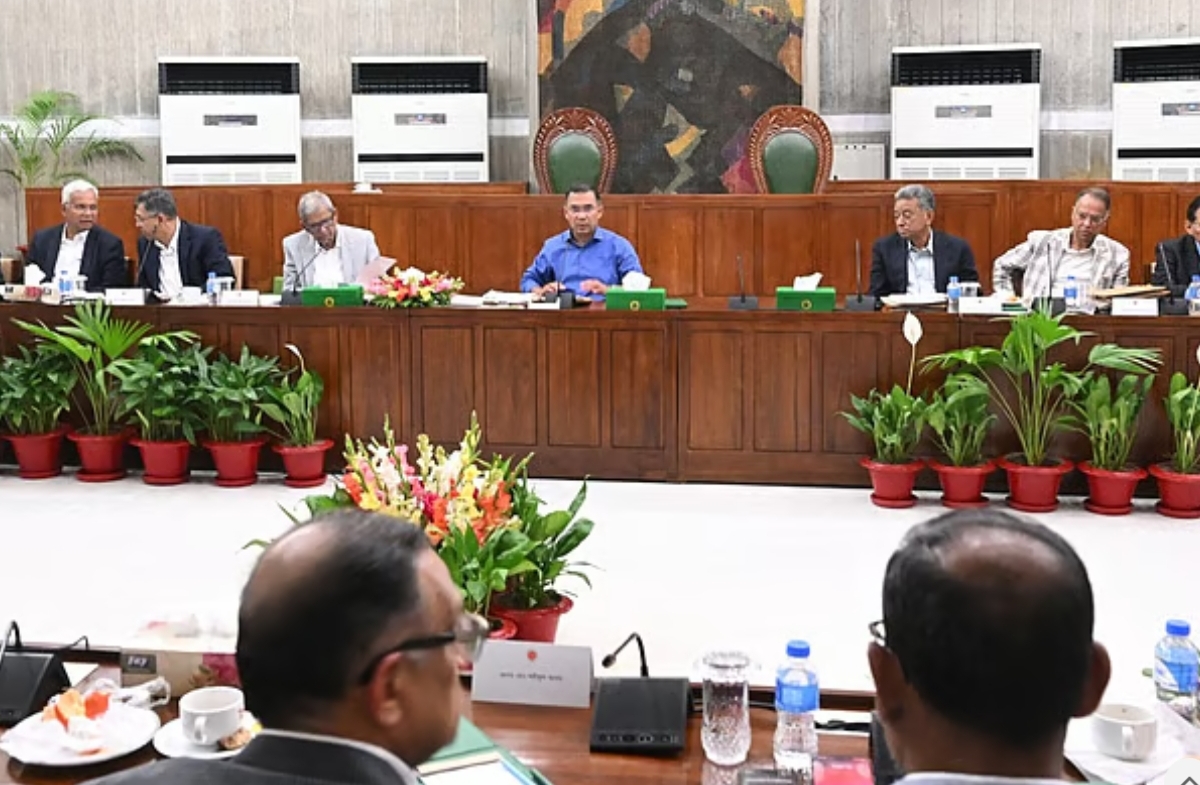
Economic analysts suggest that the government should consult with business representatives to find a balanced solution. One proposal is to test the current schedule for a week to measure actual energy savings, followed by another trial using the traders’ suggested 1 PM–9 PM timing. Based on the results, authorities could then adopt the most effective approach.