Dhaka 4:11 am, Saturday, 21 February 2026

New Faces Take Key Portfolios, Some Senior Leaders Assigned Lesser Roles

Staff Correspondent:
  • Update Time : 05:07:57 am, Thursday, 19 February 2026
  • / 26 Time View

Newcomers Handle Key Ministries as Some Senior Leaders Receive Smaller Portfolios

A new cabinet formed by the Bangladesh Nationalist Party (BNP) has combined experienced politicians with a large number of first-time ministers. However, several major ministries have been entrusted to newcomers, while some senior figures have been assigned comparatively less influential portfolios. In a number of cases, multiple ministries have been placed under a single minister, with one or more state ministers working alongside them—raising questions about coordination and workload distribution.

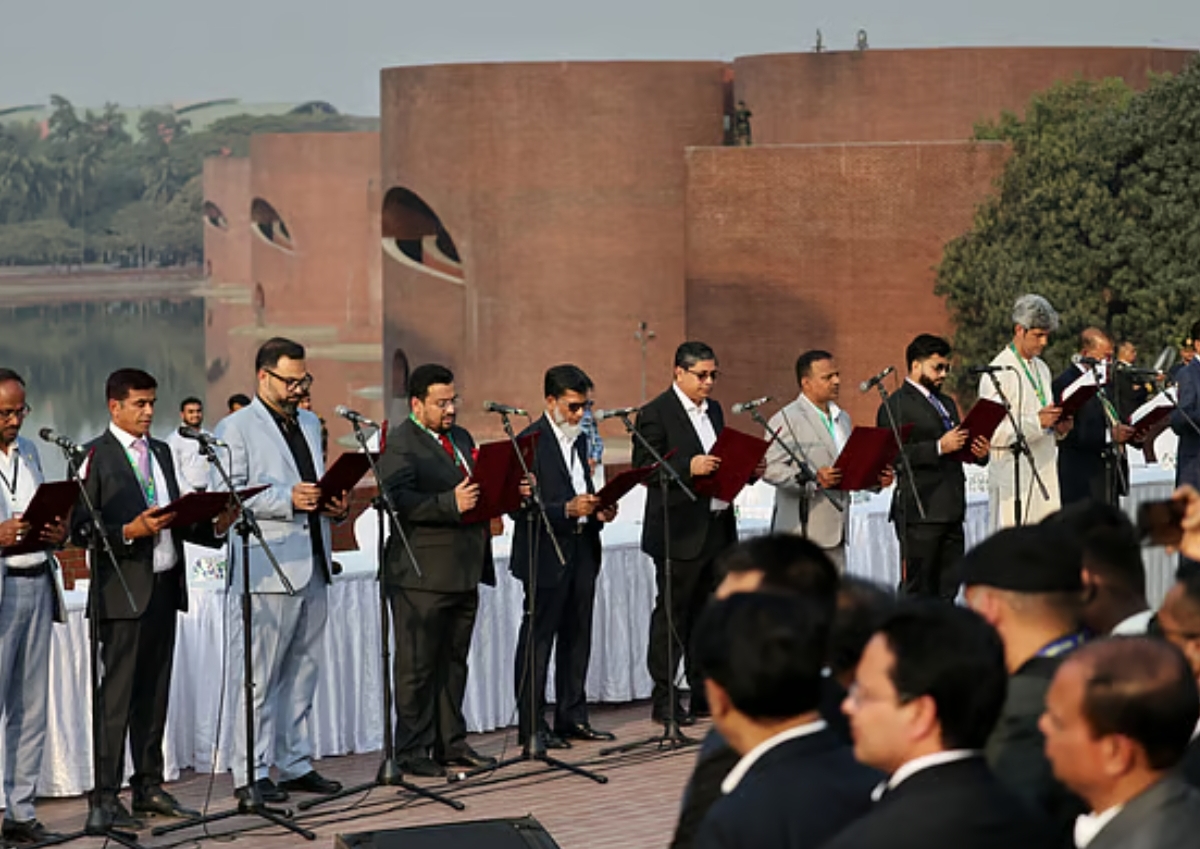
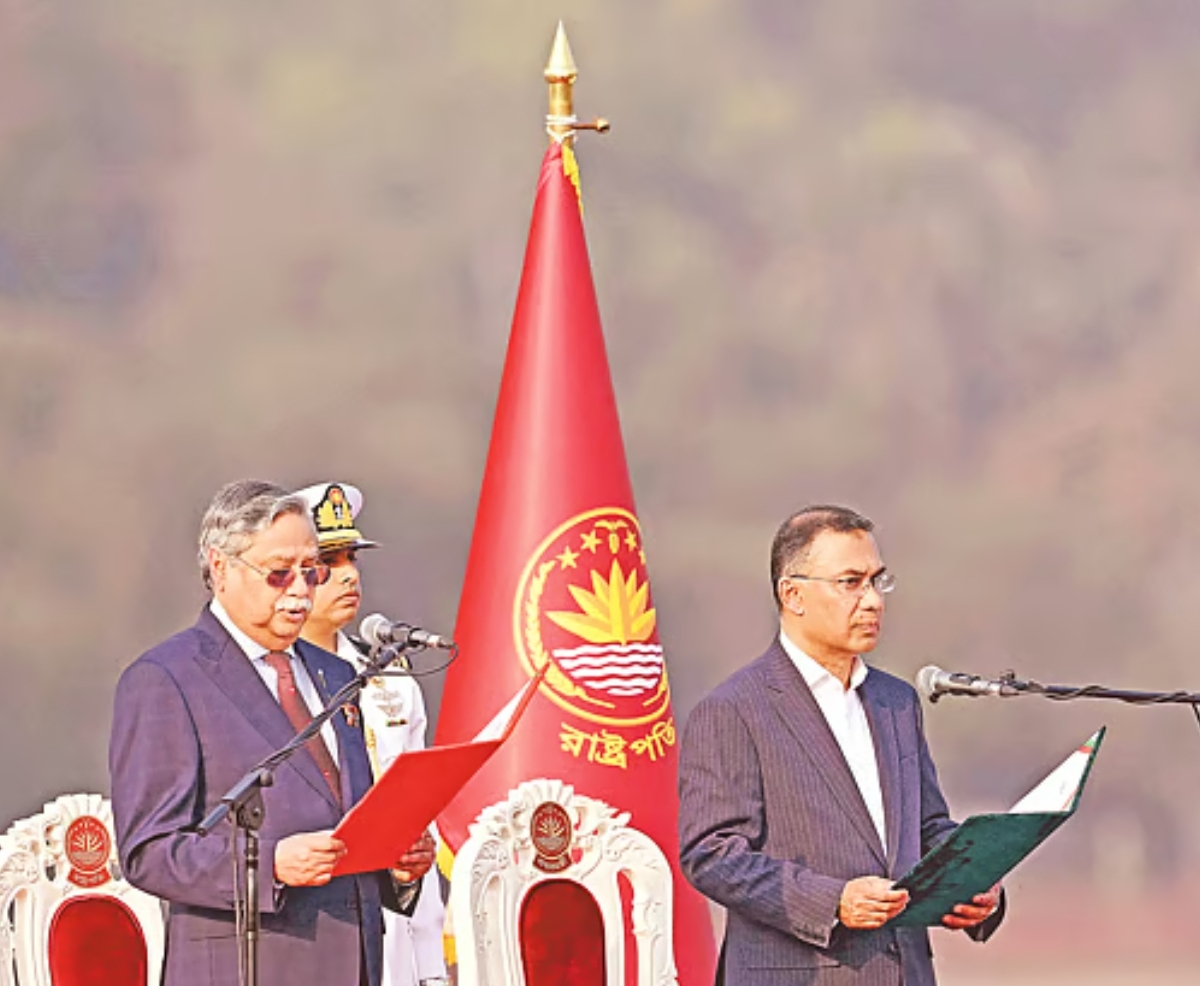
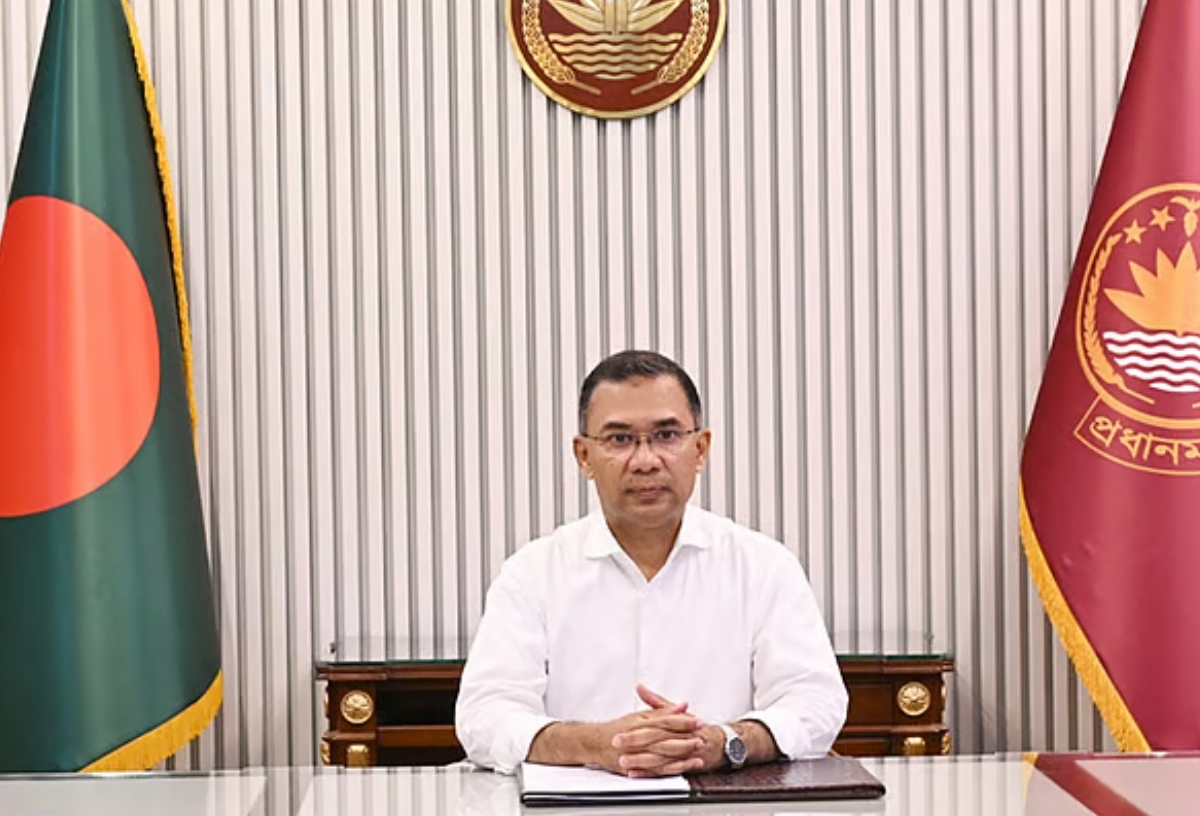
The 50-member cabinet, led by BNP Chairperson Tarique Rahman, was sworn in on Tuesday. It includes 25 full ministers and 24 state ministers. Notably, 41 of them are serving in ministerial roles for the first time. The cabinet held its inaugural meeting on Wednesday, and members have already begun assuming responsibilities at their respective offices.

Major Portfolios Under Fresh Faces

Several high-budget ministries—such as power and energy, roads and bridges, railways, education, and health—have traditionally been handled by separate senior ministers. This time, some of these portfolios have been consolidated.

Aminur Rashid, appointed from the technocrat quota, has been given charge of the agriculture, food, and fisheries & livestock ministries—three significant sectors previously overseen separately. Sultan Salahuddin (Tuku), a first-time MP, has been appointed state minister under these ministries.

Sheikh Robiul Alam, newly elected from Dhaka-10, now oversees road transport and bridges, railways, and shipping—three ministries that historically commanded large development budgets. Two first-time MPs, Habibur Rashid and Rajib Ahsan, have been made state ministers under his supervision, a relatively rare arrangement.

In Sylhet division, Khondkar Abdul Muktadir and Ariful Haque Chowdhury—both first-time MPs—have been appointed full ministers. Muktadir will manage industries, commerce, and textiles & jute, while Ariful Haque will oversee labour and expatriates’ welfare. Nurul Haque, elected for the first time and leader of Gono Odhikar Parishad, has been made state minister in the expatriates’ welfare ministry.

Senior Leaders with Focused Roles

Among BNP’s senior figures, Mirza Fakhrul Islam Alamgir has been assigned the local government, rural development, and cooperatives ministry—a portfolio often held by the party’s secretary general.

Amir Khosru Mahmud Chowdhury now leads the finance and planning ministries, with Jonaed Saki serving as state minister for planning.

Salahuddin Ahmed has taken charge of the home ministry, considered one of the most critical portfolios.

Iqbal Hasan Mahmud, previously state minister for power and energy, has been elevated to full minister in the same sector.

Hafiz Uddin Ahmed, who previously handled multiple major ministries in earlier BNP governments, has been assigned the liberation war affairs ministry this time—viewed as comparatively less prominent.

Business leader Abdul Awal Mintoo has been appointed minister for environment, forest and climate change, with Sheikh Faridul Islam as state minister. Traditionally, this ministry does not always have a state minister alongside a full minister.

Technocrats in Focus

Under constitutional provisions, a limited number of non-MPs can be appointed to the cabinet as technocrats. In addition to Aminur Rashid, Khalilur Rahman and former national footballer Aminul Haque have entered the cabinet through this route.

Khalilur Rahman has been appointed foreign minister. He previously served as a high representative on Rohingya affairs and later as national security adviser in the interim government, where he was considered highly influential. His inclusion has drawn considerable public attention.

Shama Obaid Islam has been appointed state minister for foreign affairs. Aminul Haque has become state minister for youth and sports; since no full minister has been assigned to that ministry, he will effectively lead it.

A Strategic Gamble?

Political analysts say the new government has taken a calculated risk by placing significant responsibilities on relatively inexperienced leaders. The effectiveness of coordination and policy implementation will determine whether this reshaped cabinet structure succeeds.

Writer and political commentator Mohiuddin Ahmed observed that while many MPs and even the prime minister are new, experience alone has not always guaranteed performance in the past. Ultimately, he said, time will reveal how effectively the new ministers carry out their duties.

Tag :

Please Share This Post in Your Social Media

New Faces Take Key Portfolios, Some Senior Leaders Assigned Lesser Roles

Update Time : 05:07:57 am, Thursday, 19 February 2026

Newcomers Handle Key Ministries as Some Senior Leaders Receive Smaller Portfolios

A new cabinet formed by the Bangladesh Nationalist Party (BNP) has combined experienced politicians with a large number of first-time ministers. However, several major ministries have been entrusted to newcomers, while some senior figures have been assigned comparatively less influential portfolios. In a number of cases, multiple ministries have been placed under a single minister, with one or more state ministers working alongside them—raising questions about coordination and workload distribution.

The 50-member cabinet, led by BNP Chairperson Tarique Rahman, was sworn in on Tuesday. It includes 25 full ministers and 24 state ministers. Notably, 41 of them are serving in ministerial roles for the first time. The cabinet held its inaugural meeting on Wednesday, and members have already begun assuming responsibilities at their respective offices.

Major Portfolios Under Fresh Faces

Several high-budget ministries—such as power and energy, roads and bridges, railways, education, and health—have traditionally been handled by separate senior ministers. This time, some of these portfolios have been consolidated.

Aminur Rashid, appointed from the technocrat quota, has been given charge of the agriculture, food, and fisheries & livestock ministries—three significant sectors previously overseen separately. Sultan Salahuddin (Tuku), a first-time MP, has been appointed state minister under these ministries.

Sheikh Robiul Alam, newly elected from Dhaka-10, now oversees road transport and bridges, railways, and shipping—three ministries that historically commanded large development budgets. Two first-time MPs, Habibur Rashid and Rajib Ahsan, have been made state ministers under his supervision, a relatively rare arrangement.

In Sylhet division, Khondkar Abdul Muktadir and Ariful Haque Chowdhury—both first-time MPs—have been appointed full ministers. Muktadir will manage industries, commerce, and textiles & jute, while Ariful Haque will oversee labour and expatriates’ welfare. Nurul Haque, elected for the first time and leader of Gono Odhikar Parishad, has been made state minister in the expatriates’ welfare ministry.

Senior Leaders with Focused Roles

Among BNP’s senior figures, Mirza Fakhrul Islam Alamgir has been assigned the local government, rural development, and cooperatives ministry—a portfolio often held by the party’s secretary general.

Amir Khosru Mahmud Chowdhury now leads the finance and planning ministries, with Jonaed Saki serving as state minister for planning.

Salahuddin Ahmed has taken charge of the home ministry, considered one of the most critical portfolios.

Iqbal Hasan Mahmud, previously state minister for power and energy, has been elevated to full minister in the same sector.

Hafiz Uddin Ahmed, who previously handled multiple major ministries in earlier BNP governments, has been assigned the liberation war affairs ministry this time—viewed as comparatively less prominent.

Business leader Abdul Awal Mintoo has been appointed minister for environment, forest and climate change, with Sheikh Faridul Islam as state minister. Traditionally, this ministry does not always have a state minister alongside a full minister.

Technocrats in Focus

Under constitutional provisions, a limited number of non-MPs can be appointed to the cabinet as technocrats. In addition to Aminur Rashid, Khalilur Rahman and former national footballer Aminul Haque have entered the cabinet through this route.

Khalilur Rahman has been appointed foreign minister. He previously served as a high representative on Rohingya affairs and later as national security adviser in the interim government, where he was considered highly influential. His inclusion has drawn considerable public attention.

Shama Obaid Islam has been appointed state minister for foreign affairs. Aminul Haque has become state minister for youth and sports; since no full minister has been assigned to that ministry, he will effectively lead it.

A Strategic Gamble?

Political analysts say the new government has taken a calculated risk by placing significant responsibilities on relatively inexperienced leaders. The effectiveness of coordination and policy implementation will determine whether this reshaped cabinet structure succeeds.

Writer and political commentator Mohiuddin Ahmed observed that while many MPs and even the prime minister are new, experience alone has not always guaranteed performance in the past. Ultimately, he said, time will reveal how effectively the new ministers carry out their duties.