Dhaka 2:07 am, Friday, 26 June 2026

Trump has stabbed Europe in the back

Staff Correspondent
  • Update Time : 08:27:31 pm, Friday, 28 November 2025
  • / 262 Time View

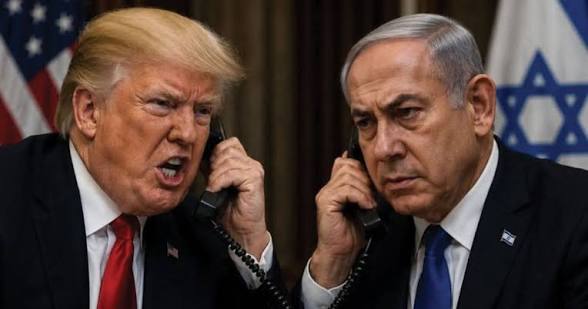
Russia’s invasion of Ukraine is a catastrophic event, and an end to it is urgently needed. But the question remains—how? With the war largely at a stalemate, seeking a political resolution seems natural. However, the new peace plan recently put forward by the Trump administration appears to heavily favor the aggressor, giving Russia almost all the leverage in the proposed settlement.

The initial 28-point plan from Trump’s team emerged following four separate developments, each shifting the dynamics of the conflict.

First, allegations of corruption surfaced within Ukraine’s central political institutions. These claims, coming from domestic anti-corruption bodies, were used to portray President Volodymyr Zelensky’s government as weak and to justify calls for political change in Ukraine.

Second, Russia intensified its threats of nuclear escalation toward Western nations. Claims were made about tests of weapons capable of generating radioactive “tsunamis” along northern European coasts, including the UK. The Kremlin asserted that its Burevestnik nuclear-powered cruise missile cannot be intercepted. The underlying goal of such threats is to intimidate Europe and deter continued military support for Ukraine.

Third, in several European countries, anti-establishment and populist movements have made ending the war a central demand, while France, Germany, and the UK appear politically weakened and unable to effectively address economic revival, technological competition, or social cohesion. Analysts predict this could usher in a new era in European politics, potentially boosting far-right or populist parties such as Marine Le Pen’s National Rally in France, Alternative für Deutschland in Germany, and Reform UK under Nigel Farage.

Fourth, the Trump administration has repeatedly disseminated misinformation about Europe and its policies. For instance, Trump has falsely claimed that the EU is violating sanctions by purchasing Russian oil. In reality, only two countries—Hungary and Slovakia—have continued buying Russian oil, with Hungary’s openly pro-Kremlin government requesting Trump’s permission to do so, which he granted without objection.

At the heart of the latest American peace proposal lies a misleading premise highlighted by foreign policy analysts: NATO is framed as a threat to Russia, and Western security guarantees to Russia’s neighboring countries are portrayed as interference in Russia’s sovereignty.

From Ukraine’s perspective, the Trump plan amounted to a “stab in the back.” Even if Ukrainian forces remained undefeated on the battlefield, the implementation of this plan would result in a de facto loss for the country. This would inevitably raise questions about accountability among Ukrainians and could destabilize the nation’s consensus-driven political system, potentially opening the door to authoritarianism. Analysts trace the roots of this crisis back to NATO’s eastward expansion in the 1990s, which, in their view, created conditions for Russia’s “defensive” actions in 2014 and the wider invasion in 2022.

Those who argue that NATO expansion caused Russia’s aggression are essentially echoing the Kremlin’s narrative, portraying NATO as the primary threat while ignoring the real danger posed by successful democratic or anti-authoritarian movements.

The Kremlin continues to operate under principles that date back to the 19th century: Orthodox Christianity, autocracy, and nationalism. From this perspective, Russia’s sovereignty and right to self-determination justify interference in the autonomy of other nations.

In this context, the question arises: is it possible to stabilize the conflict? A genuine ceasefire could allow for the rehabilitation of affected populations, reconstruction of critical infrastructure, and economic recovery. But if a ceasefire is imposed as part of a political settlement dictated by Russia, the consequences for Ukraine, Europe, and the world would be dire.

Even in the revised Trump plan, critical weaknesses remain. It lacks a clear and enforceable NATO-style security guarantee, and in the event of renewed Russian aggression, the only response mentioned is “negotiation.” This ambiguity makes the plan extremely risky.

From Ukraine’s perspective, the plan again represents a “stab in the back.” Even without battlefield defeat, Ukraine would be effectively compelled to concede, undermining public confidence and potentially pushing the country toward authoritarian rule.

Furthermore, the plan weakens Europe, European institutions, and their global influence. The EU could be perceived as a paper tiger: full of rhetoric and promises, yet lacking the capacity or will to act. This perception could embolden European politicians to defer excessively to right-wing or nationalist forces that advocate a return to the pre-existing notions of national sovereignty.

For Germany and France—two key drivers of post-World War II European integration—such developments are particularly dangerous. Globally, America’s stance sends a stark signal: its credibility is eroding. By accepting Russia’s narrative uncritically, the world may conclude that the US no longer represents a reliable actor, leaving it vulnerable to exploitation.

—Harold James, Professor of History and International Relations, Princeton University

Tag :

Please Share This Post in Your Social Media

6

Trump has stabbed Europe in the back

Update Time : 08:27:31 pm, Friday, 28 November 2025

Russia’s invasion of Ukraine is a catastrophic event, and an end to it is urgently needed. But the question remains—how? With the war largely at a stalemate, seeking a political resolution seems natural. However, the new peace plan recently put forward by the Trump administration appears to heavily favor the aggressor, giving Russia almost all the leverage in the proposed settlement.

The initial 28-point plan from Trump’s team emerged following four separate developments, each shifting the dynamics of the conflict.

First, allegations of corruption surfaced within Ukraine’s central political institutions. These claims, coming from domestic anti-corruption bodies, were used to portray President Volodymyr Zelensky’s government as weak and to justify calls for political change in Ukraine.

Second, Russia intensified its threats of nuclear escalation toward Western nations. Claims were made about tests of weapons capable of generating radioactive “tsunamis” along northern European coasts, including the UK. The Kremlin asserted that its Burevestnik nuclear-powered cruise missile cannot be intercepted. The underlying goal of such threats is to intimidate Europe and deter continued military support for Ukraine.

Third, in several European countries, anti-establishment and populist movements have made ending the war a central demand, while France, Germany, and the UK appear politically weakened and unable to effectively address economic revival, technological competition, or social cohesion. Analysts predict this could usher in a new era in European politics, potentially boosting far-right or populist parties such as Marine Le Pen’s National Rally in France, Alternative für Deutschland in Germany, and Reform UK under Nigel Farage.

Fourth, the Trump administration has repeatedly disseminated misinformation about Europe and its policies. For instance, Trump has falsely claimed that the EU is violating sanctions by purchasing Russian oil. In reality, only two countries—Hungary and Slovakia—have continued buying Russian oil, with Hungary’s openly pro-Kremlin government requesting Trump’s permission to do so, which he granted without objection.

At the heart of the latest American peace proposal lies a misleading premise highlighted by foreign policy analysts: NATO is framed as a threat to Russia, and Western security guarantees to Russia’s neighboring countries are portrayed as interference in Russia’s sovereignty.

From Ukraine’s perspective, the Trump plan amounted to a “stab in the back.” Even if Ukrainian forces remained undefeated on the battlefield, the implementation of this plan would result in a de facto loss for the country. This would inevitably raise questions about accountability among Ukrainians and could destabilize the nation’s consensus-driven political system, potentially opening the door to authoritarianism. Analysts trace the roots of this crisis back to NATO’s eastward expansion in the 1990s, which, in their view, created conditions for Russia’s “defensive” actions in 2014 and the wider invasion in 2022.

Those who argue that NATO expansion caused Russia’s aggression are essentially echoing the Kremlin’s narrative, portraying NATO as the primary threat while ignoring the real danger posed by successful democratic or anti-authoritarian movements.

The Kremlin continues to operate under principles that date back to the 19th century: Orthodox Christianity, autocracy, and nationalism. From this perspective, Russia’s sovereignty and right to self-determination justify interference in the autonomy of other nations.

In this context, the question arises: is it possible to stabilize the conflict? A genuine ceasefire could allow for the rehabilitation of affected populations, reconstruction of critical infrastructure, and economic recovery. But if a ceasefire is imposed as part of a political settlement dictated by Russia, the consequences for Ukraine, Europe, and the world would be dire.

Even in the revised Trump plan, critical weaknesses remain. It lacks a clear and enforceable NATO-style security guarantee, and in the event of renewed Russian aggression, the only response mentioned is “negotiation.” This ambiguity makes the plan extremely risky.

From Ukraine’s perspective, the plan again represents a “stab in the back.” Even without battlefield defeat, Ukraine would be effectively compelled to concede, undermining public confidence and potentially pushing the country toward authoritarian rule.

Furthermore, the plan weakens Europe, European institutions, and their global influence. The EU could be perceived as a paper tiger: full of rhetoric and promises, yet lacking the capacity or will to act. This perception could embolden European politicians to defer excessively to right-wing or nationalist forces that advocate a return to the pre-existing notions of national sovereignty.

For Germany and France—two key drivers of post-World War II European integration—such developments are particularly dangerous. Globally, America’s stance sends a stark signal: its credibility is eroding. By accepting Russia’s narrative uncritically, the world may conclude that the US no longer represents a reliable actor, leaving it vulnerable to exploitation.

—Harold James, Professor of History and International Relations, Princeton University