Dhaka 11:06 am, Thursday, 25 June 2026

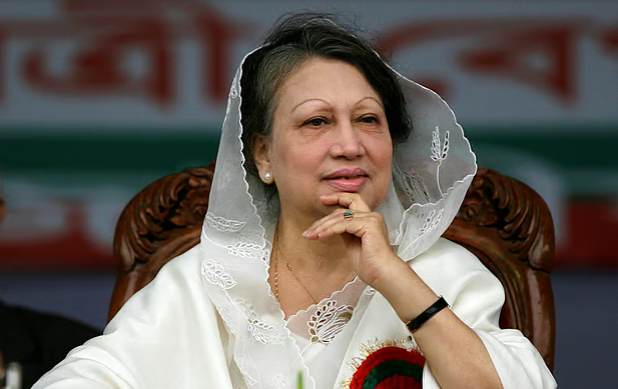
Khaleda Zia made it clear that she would not take part in any election held under Ershad’s rule

Staff Correspondent :
  • Update Time : 06:34:43 am, Wednesday, 31 December 2025
  • / 352 Time View

After Zia was assassinated, Justice Sattar assumed the responsibilities of the presidency. A presidential election then became necessary, and preparations began accordingly. During this period, a group among us supported Begum Khaleda Zia as the presidential candidate and wanted to nominate her. However, another group favored Justice Sattar and worked to secure his nomination.

I believe General Ershad played a role in encouraging Justice Sattar’s nomination. There was a fear that if Begum Zia became president, she would govern firmly and independently, which Ershad likely wanted to avoid. This led to divisions among members of parliament. Tanvir Ahmed Siddiqui, myself, and several others stood firmly in favor of Begum Zia’s nomination. But we were indirectly warned not to push the issue too far. At first, I did not fully understand the reason behind these signals.

At that time, Dr. M. A. Matin was the Home Minister, and he played a significant role in promoting Justice Sattar’s candidacy. Through the Home Ministry, pressure was created in favor of Justice Sattar, which influenced many ministers and MPs to support him. I knew very well that Justice Sattar was a weak individual politically. It was unclear why he was being preferred over Begum Zia, but later it became evident that his perceived weakness made him more acceptable to certain quarters.

Although a nomination was initially submitted in Begum Zia’s name, it was later withdrawn. Prime Minister Shah Azizur Rahman supported Justice Sattar’s nomination. Around this time, Shamshuddoha, who was serving as Bangladesh’s High Commissioner in London, returned to Dhaka. He once called me and questioned why there was disagreement over the presidential nomination. It appeared that he, too, was inclined toward Justice Sattar, possibly influenced by Ershad.

General Ershad was unhappy with my stance during this process. That may be why, immediately after martial law was imposed, Tanvir Ahmed Siddiqui and I were among the first to be arrested and imprisoned.

After Justice Sattar was nominated, I worked in support of his campaign. I helped build public opinion in Sylhet and surrounding areas. Justice Sattar eventually won the election and became president, and he retained me as Finance Minister in his cabinet.

Once Justice Sattar assumed office, General Ershad began making statements about the country’s administration, insisting that the military should have a role in governance. These statements were clearly undemocratic and triggered reactions both domestically and internationally. At that time, M. Saeeduzzaman was serving as an Executive Director at the World Bank. From Washington, he informed me that Ershad’s remarks were raising serious concerns there. Observers believed Bangladesh had been moving through a democratic process following elections, but Ershad’s comments cast doubt on the country’s democratic stability.

Our relationship with the World Bank was strong at the time, and there was concern that aid might be reduced or halted due to fears of democratic backsliding. Saeeduzzaman sent me a detailed fax explaining the situation. I took the document to Bangabhaban and informed President Sattar about the possible economic consequences if foreign assistance was affected.

In March 1982, General Ershad seized power. After taking control, he had me arrested and imprisoned for eight to nine months. Following my release, the democratic movement began under the leadership of Begum Khaleda Zia. We traveled across the country with her, mobilizing support. In fact, many of us actively encouraged her to enter politics after President Ziaur Rahman’s assassination, as the BNP faced a leadership vacuum.

During this period, Prime Minister Shah Azizur Rahman continued supporting Justice Sattar, and the BNP became divided. Shah Aziz, along with figures such as Dr. M. A. Matin and Shamsul Huda Chowdhury, formed a separate faction known as BNP (Huda–Matin) in April 1983. We did not support this group and instead accepted Begum Zia as our leader.

Initially, Begum Zia was reluctant to enter politics, but we persuaded her. Many senior leaders stood with us during this time. The party was in disarray, and it became clear that Ershad wanted to shape a faction of the BNP that would support him. Eventually, many from the breakaway BNP faction joined Ershad’s newly formed Jatiya Party.

After Begum Zia took charge, the anti-Ershad movement gained renewed momentum. BNP’s organizational strength grew steadily. A seven-party alliance emerged under BNP leadership, while a fifteen-party alliance formed under the Awami League. When Ershad announced elections in 1986, both alliances initially boycotted them. However, Sheikh Hasina later reversed her position and decided to participate, which weakened the movement against Ershad.

Begum Zia, on the other hand, remained firm. She rejected Ershad’s proposal of seat-sharing and refused to participate in elections held under his rule, despite pressure and financial constraints within the party. BNP stayed out of the elections, while the Awami League took part.

Subsequent elections were widely criticized as manipulated and lacked credibility both at home and abroad. The demand for elections under a caretaker government intensified, alongside the mass movement against Ershad. Ultimately, under intense public pressure, Ershad resigned in December 1990.

A constitutional process was followed in which Vice President Moudud Ahmed resigned, and Chief Justice Shahabuddin Ahmed was appointed Vice President with the consensus of the three alliances. After Ershad’s resignation, Justice Shahabuddin Ahmed automatically assumed the role of Acting President on 6 December 1990, paving the way for a return to democratic governance.

Tag :

Please Share This Post in Your Social Media

4

Khaleda Zia made it clear that she would not take part in any election held under Ershad’s rule

Update Time : 06:34:43 am, Wednesday, 31 December 2025

After Zia was assassinated, Justice Sattar assumed the responsibilities of the presidency. A presidential election then became necessary, and preparations began accordingly. During this period, a group among us supported Begum Khaleda Zia as the presidential candidate and wanted to nominate her. However, another group favored Justice Sattar and worked to secure his nomination.

I believe General Ershad played a role in encouraging Justice Sattar’s nomination. There was a fear that if Begum Zia became president, she would govern firmly and independently, which Ershad likely wanted to avoid. This led to divisions among members of parliament. Tanvir Ahmed Siddiqui, myself, and several others stood firmly in favor of Begum Zia’s nomination. But we were indirectly warned not to push the issue too far. At first, I did not fully understand the reason behind these signals.

At that time, Dr. M. A. Matin was the Home Minister, and he played a significant role in promoting Justice Sattar’s candidacy. Through the Home Ministry, pressure was created in favor of Justice Sattar, which influenced many ministers and MPs to support him. I knew very well that Justice Sattar was a weak individual politically. It was unclear why he was being preferred over Begum Zia, but later it became evident that his perceived weakness made him more acceptable to certain quarters.

Although a nomination was initially submitted in Begum Zia’s name, it was later withdrawn. Prime Minister Shah Azizur Rahman supported Justice Sattar’s nomination. Around this time, Shamshuddoha, who was serving as Bangladesh’s High Commissioner in London, returned to Dhaka. He once called me and questioned why there was disagreement over the presidential nomination. It appeared that he, too, was inclined toward Justice Sattar, possibly influenced by Ershad.

General Ershad was unhappy with my stance during this process. That may be why, immediately after martial law was imposed, Tanvir Ahmed Siddiqui and I were among the first to be arrested and imprisoned.

After Justice Sattar was nominated, I worked in support of his campaign. I helped build public opinion in Sylhet and surrounding areas. Justice Sattar eventually won the election and became president, and he retained me as Finance Minister in his cabinet.

Once Justice Sattar assumed office, General Ershad began making statements about the country’s administration, insisting that the military should have a role in governance. These statements were clearly undemocratic and triggered reactions both domestically and internationally. At that time, M. Saeeduzzaman was serving as an Executive Director at the World Bank. From Washington, he informed me that Ershad’s remarks were raising serious concerns there. Observers believed Bangladesh had been moving through a democratic process following elections, but Ershad’s comments cast doubt on the country’s democratic stability.

Our relationship with the World Bank was strong at the time, and there was concern that aid might be reduced or halted due to fears of democratic backsliding. Saeeduzzaman sent me a detailed fax explaining the situation. I took the document to Bangabhaban and informed President Sattar about the possible economic consequences if foreign assistance was affected.

In March 1982, General Ershad seized power. After taking control, he had me arrested and imprisoned for eight to nine months. Following my release, the democratic movement began under the leadership of Begum Khaleda Zia. We traveled across the country with her, mobilizing support. In fact, many of us actively encouraged her to enter politics after President Ziaur Rahman’s assassination, as the BNP faced a leadership vacuum.

During this period, Prime Minister Shah Azizur Rahman continued supporting Justice Sattar, and the BNP became divided. Shah Aziz, along with figures such as Dr. M. A. Matin and Shamsul Huda Chowdhury, formed a separate faction known as BNP (Huda–Matin) in April 1983. We did not support this group and instead accepted Begum Zia as our leader.

Initially, Begum Zia was reluctant to enter politics, but we persuaded her. Many senior leaders stood with us during this time. The party was in disarray, and it became clear that Ershad wanted to shape a faction of the BNP that would support him. Eventually, many from the breakaway BNP faction joined Ershad’s newly formed Jatiya Party.

After Begum Zia took charge, the anti-Ershad movement gained renewed momentum. BNP’s organizational strength grew steadily. A seven-party alliance emerged under BNP leadership, while a fifteen-party alliance formed under the Awami League. When Ershad announced elections in 1986, both alliances initially boycotted them. However, Sheikh Hasina later reversed her position and decided to participate, which weakened the movement against Ershad.

Begum Zia, on the other hand, remained firm. She rejected Ershad’s proposal of seat-sharing and refused to participate in elections held under his rule, despite pressure and financial constraints within the party. BNP stayed out of the elections, while the Awami League took part.

Subsequent elections were widely criticized as manipulated and lacked credibility both at home and abroad. The demand for elections under a caretaker government intensified, alongside the mass movement against Ershad. Ultimately, under intense public pressure, Ershad resigned in December 1990.

A constitutional process was followed in which Vice President Moudud Ahmed resigned, and Chief Justice Shahabuddin Ahmed was appointed Vice President with the consensus of the three alliances. After Ershad’s resignation, Justice Shahabuddin Ahmed automatically assumed the role of Acting President on 6 December 1990, paving the way for a return to democratic governance.