Dhaka 7:17 am, Thursday, 25 June 2026

Restrictions Lead to Decline in Bangladeshi Exports to India

Staff Correspondent :
  • Update Time : 06:46:21 am, Wednesday, 7 January 2026
  • / 407 Time View

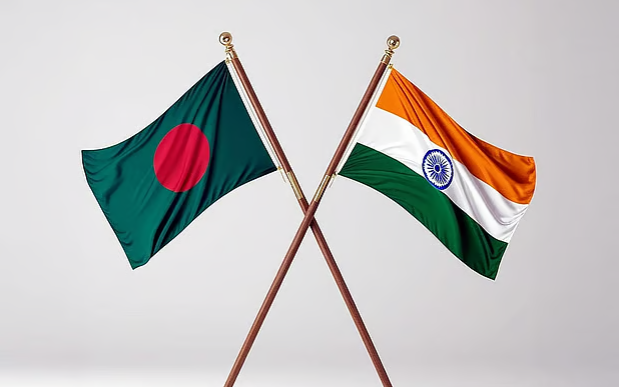
Bangladesh’s exports to India have begun to feel the negative impact of a series of restrictions imposed by the Indian authorities. During the first five months of the current fiscal year (July to November), exports of Bangladeshi goods to the Indian market declined by more than 6.5 percent. The downturn has affected the country’s three leading export items to India—ready-made garments, processed food products, and jute and jute-based goods.

India has introduced restrictions on Bangladeshi exports through land ports in three separate phases this year. Although exports saw a temporary rise for two to three months after the initial measures, shipments started to fall from September onward.

According to the latest data from the Export Promotion Bureau (EPB), Bangladesh exported goods worth USD 760 million to India during the first five months of the current fiscal year, compared to USD 810 million in the same period of the previous year. This represents a decline of 6.68 percent.

Exporters say that the restrictions have increased transportation and compliance costs, while also reducing their competitiveness in the Indian market. They warn that unless the situation improves, exports may decline further in the coming months.

Following the Covid-19 pandemic, Bangladesh exported goods worth USD 1.99 billion to India in the 2021–22 fiscal year. Exports then declined over the next two years. In the last fiscal year, India ranked as Bangladesh’s eighth-largest export destination, with shipments totaling USD 1.76 billion—about 12 percent higher than the previous year.

In April, Bangladesh stopped importing yarn from India through land ports. Subsequently, India imposed restrictions on Bangladeshi exports in three stages. On May 17 and June 27, India restricted imports of garments, food products, jute goods, cotton yarn waste, plastic items, and wooden furniture. In a third phase on August 11, additional jute products were brought under restriction. India has also launched an investigation into imposing safeguard duties on jute imports from Bangladesh.

Under the current rules, jute and garment products from Bangladesh cannot be exported to India via land ports and must instead be shipped through Mumbai’s Nhava Sheva port. Other products—including food items, soft drinks, wooden furniture, cotton yarn waste, and plastic goods—are allowed entry only through land ports connected to West Bengal, excluding Burimari and Banglabandha.

Ready-made garments remain Bangladesh’s largest export item to India. During the first five months of the current fiscal year, garment exports totaled nearly USD 300 million, down from about USD 325 million in the same period last year—a decrease of 8.8 percent.

Industry insiders say Indian garment manufacturers are offering lower prices to retain buyers, partly due to reduced export orders from the US market following a 50 percent countervailing duty. The Indian government has also waived GST for exporters selling in the domestic market. At the same time, Indian producers are undercutting prices offered by foreign brands that source garments from Bangladesh for the Indian market. Longer shipping times and higher costs for sea routes have further contributed to the decline in garment exports.

Shovan Islam, Managing Director of Sparrow Group of Industries, said exports of Bangladeshi garments to India are likely to fall further, as Indian buyers are increasingly sourcing from domestic producers due to the restrictions.

Processed food products are Bangladesh’s second-largest export item to India. Between July and November of the current fiscal year, exports in this category stood at just under USD 100 million, marking a 13 percent decline compared to the same period last year.

Kamruzzaman Kamal, Director (Marketing) of PRAN-RFL Group, said higher logistics costs are eroding profit margins, making exports less viable. He emphasized the need to strengthen bilateral relations, reopen land ports, and simplify product testing procedures to support trade.

Jute and jute-based goods rank third among Bangladesh’s exports to India. During the first five months of the fiscal year, exports of these products amounted to USD 50 million, down 37 percent year-on-year.

Khondaker Golam Moazzem, Research Director at the Centre for Policy Dialogue (CPD), noted that restrictions on yarn imports from India have led to an increase in yarn inflows, while India’s measures have reduced Bangladeshi exports. He stressed that Bangladesh’s export markets are limited, making India a strategically important destination. He added that economic relations with neighboring countries should be handled pragmatically and not always be linked to political considerations.

Tag :

Please Share This Post in Your Social Media

4

Restrictions Lead to Decline in Bangladeshi Exports to India

Update Time : 06:46:21 am, Wednesday, 7 January 2026

Bangladesh’s exports to India have begun to feel the negative impact of a series of restrictions imposed by the Indian authorities. During the first five months of the current fiscal year (July to November), exports of Bangladeshi goods to the Indian market declined by more than 6.5 percent. The downturn has affected the country’s three leading export items to India—ready-made garments, processed food products, and jute and jute-based goods.

India has introduced restrictions on Bangladeshi exports through land ports in three separate phases this year. Although exports saw a temporary rise for two to three months after the initial measures, shipments started to fall from September onward.

According to the latest data from the Export Promotion Bureau (EPB), Bangladesh exported goods worth USD 760 million to India during the first five months of the current fiscal year, compared to USD 810 million in the same period of the previous year. This represents a decline of 6.68 percent.

Exporters say that the restrictions have increased transportation and compliance costs, while also reducing their competitiveness in the Indian market. They warn that unless the situation improves, exports may decline further in the coming months.

Following the Covid-19 pandemic, Bangladesh exported goods worth USD 1.99 billion to India in the 2021–22 fiscal year. Exports then declined over the next two years. In the last fiscal year, India ranked as Bangladesh’s eighth-largest export destination, with shipments totaling USD 1.76 billion—about 12 percent higher than the previous year.

In April, Bangladesh stopped importing yarn from India through land ports. Subsequently, India imposed restrictions on Bangladeshi exports in three stages. On May 17 and June 27, India restricted imports of garments, food products, jute goods, cotton yarn waste, plastic items, and wooden furniture. In a third phase on August 11, additional jute products were brought under restriction. India has also launched an investigation into imposing safeguard duties on jute imports from Bangladesh.

Under the current rules, jute and garment products from Bangladesh cannot be exported to India via land ports and must instead be shipped through Mumbai’s Nhava Sheva port. Other products—including food items, soft drinks, wooden furniture, cotton yarn waste, and plastic goods—are allowed entry only through land ports connected to West Bengal, excluding Burimari and Banglabandha.

Ready-made garments remain Bangladesh’s largest export item to India. During the first five months of the current fiscal year, garment exports totaled nearly USD 300 million, down from about USD 325 million in the same period last year—a decrease of 8.8 percent.

Industry insiders say Indian garment manufacturers are offering lower prices to retain buyers, partly due to reduced export orders from the US market following a 50 percent countervailing duty. The Indian government has also waived GST for exporters selling in the domestic market. At the same time, Indian producers are undercutting prices offered by foreign brands that source garments from Bangladesh for the Indian market. Longer shipping times and higher costs for sea routes have further contributed to the decline in garment exports.

Shovan Islam, Managing Director of Sparrow Group of Industries, said exports of Bangladeshi garments to India are likely to fall further, as Indian buyers are increasingly sourcing from domestic producers due to the restrictions.

Processed food products are Bangladesh’s second-largest export item to India. Between July and November of the current fiscal year, exports in this category stood at just under USD 100 million, marking a 13 percent decline compared to the same period last year.

Kamruzzaman Kamal, Director (Marketing) of PRAN-RFL Group, said higher logistics costs are eroding profit margins, making exports less viable. He emphasized the need to strengthen bilateral relations, reopen land ports, and simplify product testing procedures to support trade.

Jute and jute-based goods rank third among Bangladesh’s exports to India. During the first five months of the fiscal year, exports of these products amounted to USD 50 million, down 37 percent year-on-year.

Khondaker Golam Moazzem, Research Director at the Centre for Policy Dialogue (CPD), noted that restrictions on yarn imports from India have led to an increase in yarn inflows, while India’s measures have reduced Bangladeshi exports. He stressed that Bangladesh’s export markets are limited, making India a strategically important destination. He added that economic relations with neighboring countries should be handled pragmatically and not always be linked to political considerations.