Dhaka 5:21 am, Thursday, 25 June 2026

Trump Approves Bill Proposing 500% Tariffs on India — Here’s Why

Staff Correspondent
  • Update Time : 09:36:15 am, Thursday, 8 January 2026
  • / 215 Time View

Trump Approves Bill Allowing Up to 500% Tariffs on Countries Buying Russian Oil

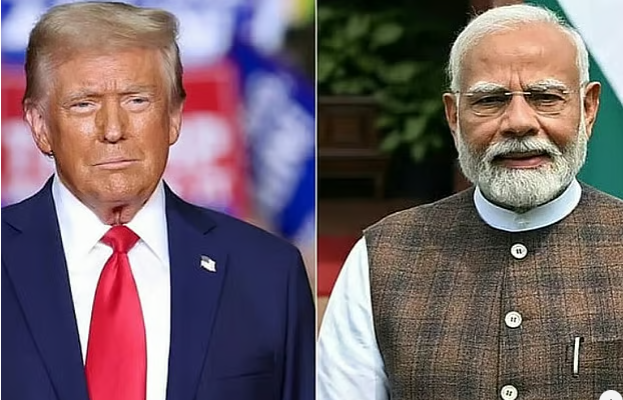
U.S. President Donald Trump has approved a bill that would enable the United States to impose import tariffs of up to 500% on countries, including India, that purchase oil from Russia. If enacted, the legislation would give the U.S. authority to take strong economic measures against nations that are seen as supporting Vladimir Putin’s “war machine” by buying Russian oil or uranium.

The bill, known as the “Russia Sanctions Act”, was co-authored by Republican Senator Lindsey Graham and Democratic Senator Richard Blumenthal. Its primary aim is to pressure Russia’s commercial partners, particularly India, China, and Brazil, to reduce their reliance on Russian energy and resources.

Under the proposed law, the Trump administration would have the power to impose tariffs up to 500% and implement secondary sanctions on countries that continue to import Russian oil, gas, uranium, or other products. The objective is to cut off major financial sources that fund Russia’s military operations.

Senator Graham emphasized that if the bill passes, countries knowingly purchasing Russian oil or uranium could face steep tariffs on products exported from their nations to the U.S., effectively putting Moscow under economic strain. The measure is intended to compel Russia to the negotiating table and halt its military actions in Ukraine.

Graham noted that a Senate vote on the bill could take place next week. He argued that as Ukraine shows willingness to make concessions for peace, this legislation comes at a crucial moment to curb Putin’s aggression.

Currently, India already faces 50% tariffs on some U.S. imports, including 25% specifically due to Russian oil purchases. Passage of this new bill could dramatically increase tariffs, potentially affecting trade between the two countries.


Tag :

Please Share This Post in Your Social Media

4

Trump Approves Bill Proposing 500% Tariffs on India — Here’s Why

Update Time : 09:36:15 am, Thursday, 8 January 2026

Trump Approves Bill Allowing Up to 500% Tariffs on Countries Buying Russian Oil

U.S. President Donald Trump has approved a bill that would enable the United States to impose import tariffs of up to 500% on countries, including India, that purchase oil from Russia. If enacted, the legislation would give the U.S. authority to take strong economic measures against nations that are seen as supporting Vladimir Putin’s “war machine” by buying Russian oil or uranium.

The bill, known as the “Russia Sanctions Act”, was co-authored by Republican Senator Lindsey Graham and Democratic Senator Richard Blumenthal. Its primary aim is to pressure Russia’s commercial partners, particularly India, China, and Brazil, to reduce their reliance on Russian energy and resources.

Under the proposed law, the Trump administration would have the power to impose tariffs up to 500% and implement secondary sanctions on countries that continue to import Russian oil, gas, uranium, or other products. The objective is to cut off major financial sources that fund Russia’s military operations.

Senator Graham emphasized that if the bill passes, countries knowingly purchasing Russian oil or uranium could face steep tariffs on products exported from their nations to the U.S., effectively putting Moscow under economic strain. The measure is intended to compel Russia to the negotiating table and halt its military actions in Ukraine.

Graham noted that a Senate vote on the bill could take place next week. He argued that as Ukraine shows willingness to make concessions for peace, this legislation comes at a crucial moment to curb Putin’s aggression.

Currently, India already faces 50% tariffs on some U.S. imports, including 25% specifically due to Russian oil purchases. Passage of this new bill could dramatically increase tariffs, potentially affecting trade between the two countries.