Trump Seeks $100 Billion Investment in Venezuela, Oil Companies Remain Cautious

- Update Time : 08:33:19 am, Saturday, 10 January 2026
- / 261 Time View


Oil Companies Cautious as Trump Pushes $100 Billion Venezuela Investment
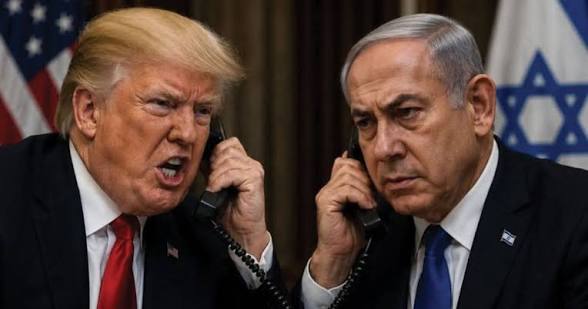
Top executives from U.S. oil companies showed little enthusiasm for former President Donald Trump’s ambitious proposal to invest $100 billion in Venezuela. On Friday, Trump held a long-anticipated meeting with senior leaders of major U.S. oil firms, urging them to commit to large-scale investment in the country’s oil sector. However, the executives noted that current conditions in Venezuela are not conducive for major investment.
While Venezuela sits atop the world’s largest proven oil reserves, extracting and producing oil on a large scale requires a stable political and regulatory environment—something the executives say is lacking. They emphasized that significant structural changes would be needed before any serious investment could take place, and no company made firm commitments during the meeting.
Trump has claimed that with the U.S. in control of Venezuelan oil resources, American fuel prices would fall and the country would directly benefit. But the oil company executives remain cautious. ExxonMobil CEO Darren Woods highlighted that the company’s assets in Venezuela had been seized twice in the past, and similar investments now would require major structural guarantees. According to Woods, Venezuela has never been a straightforward environment for foreign oil firms, and the current situation offers no exception.
Currently, Chevron is the only major U.S. oil company operating actively in Venezuela, alongside Spain’s Repsol and Italy’s Eni. Representatives from these companies also attended the White House meeting. Trump stated that his administration would ultimately decide which companies would be allowed to operate there, insisting that firms maintain direct communication with the U.S. government rather than with Venezuelan authorities.
The White House has indicated that some U.S. sanctions obstructing Venezuelan oil sales are being eased. Officials are coordinating with the interim authorities in Venezuela, led by former Maduro ally and current Vice President Delcy Rodriguez. The U.S. government aims to retain control over oil sales while applying influence over the interim administration.
Recently, several tankers carrying crude oil under U.S. sanctions were seized. Officials said that proceeds from sales are being structured to remain under U.S. control. Trump emphasized that the U.S. is “ready for business.”
Venezuela’s oil production has suffered severely over the past decades due to underinvestment, poor management, and sanctions. Current output stands at roughly one million barrels per day, contributing less than 1% to global supply.
Security and Political Risks Keep Companies Hesitant
While the easing of sanctions and Trump’s investment pitch has sparked interest, major oil companies remain cautious. Concerns over political instability, legal uncertainties, and security risks outweigh the potential opportunities for now. Chevron, which produces about one-fifth of Venezuela’s current output, says it is planning only incremental production increases. ExxonMobil plans to send technical teams in the coming weeks to assess conditions. Repsol has indicated that under favorable circumstances, it could triple production over several years.
Analysts caution that large-scale production increases would require massive investments. David Goldwyn, former U.S. special envoy and head of Goldwyn Global Strategies, noted that while companies are engaging cooperatively, they are not committing billions yet. Without guarantees on security, legal protections, and a competitive tax regime, even ExxonMobil or Shell would hesitate to invest hundreds of billions. Small firms may increase production modestly—likely around $50 million to $100 million in investment, far below Trump’s proposed $100 billion.
According to Rystad Energy, achieving a threefold increase in production by 2040 would require $8–9 billion in annual investment. Rystad’s chief economist, Claudio Galimberti, said that while Trump’s $100 billion proposal could significantly boost output if implemented, its feasibility remains uncertain. Political stability and incentives are prerequisites for such investment. Galimberti also warned that U.S. citizens should not expect a near-term drop in oil prices, as meaningful stability in Venezuela is still uncertain.
In short, while the idea of massive investment in Venezuela generates headlines, the reality on the ground—and the cautious stance of global oil companies—suggests that practical implementation will be far more complex.