Dhaka 8:21 am, Sunday, 19 April 2026

From Dictatorship to Democracy:How Textbooks Portray Sheikh Hasina’s Fall

Reporter Name
  • Update Time : 10:14:08 am, Saturday, 4 January 2025
  • / 403 Time View

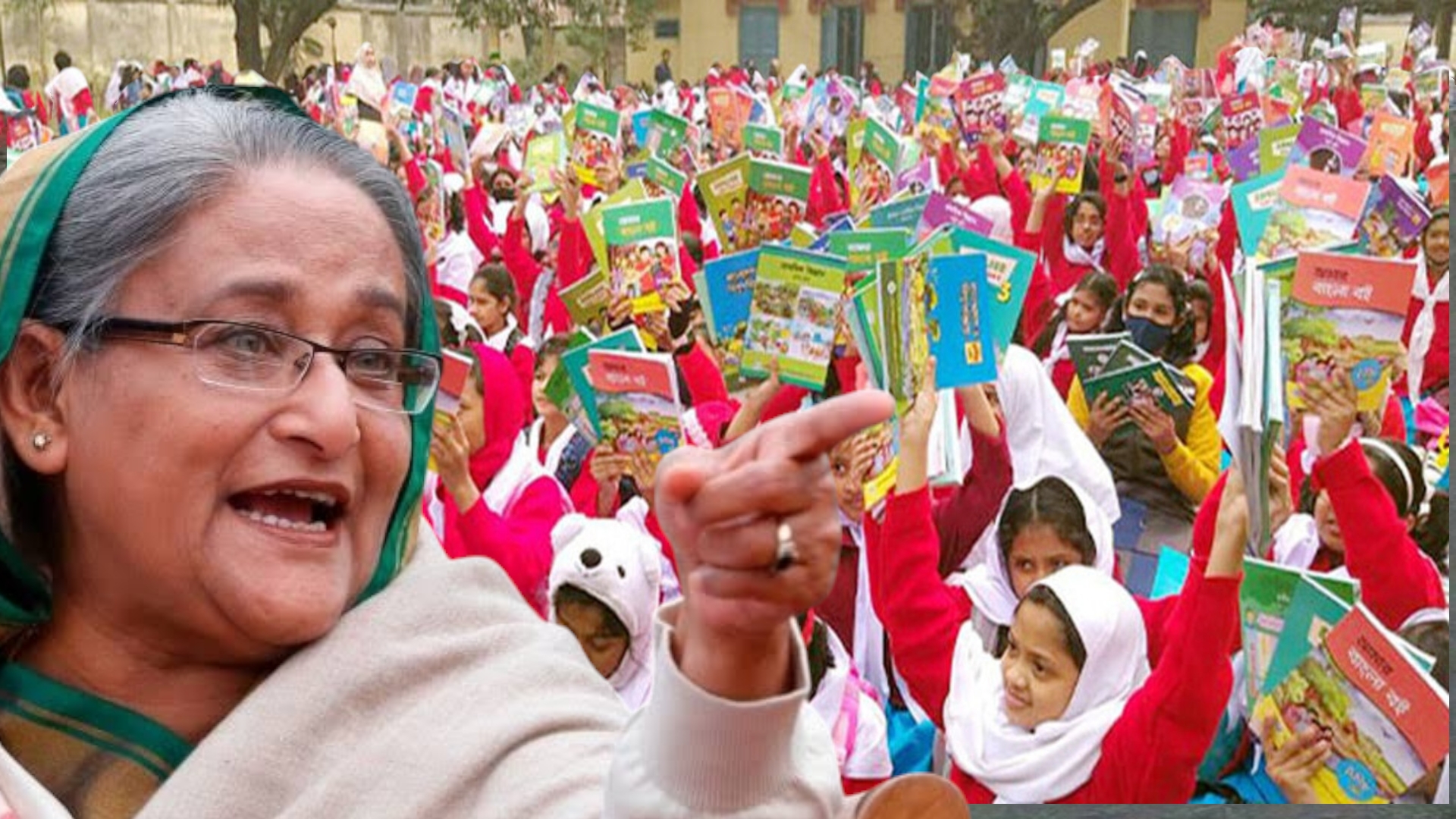
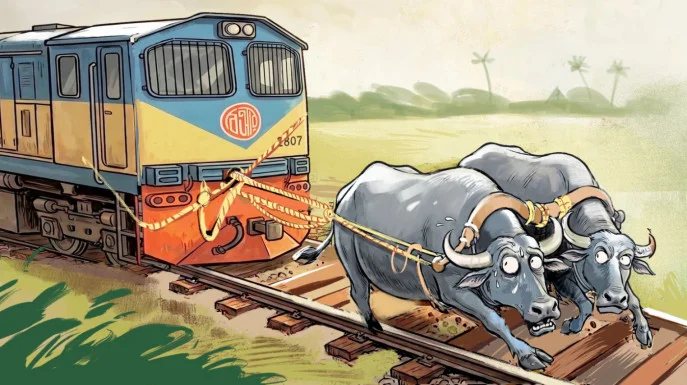
After the downfall of Sheikh Hasina’s government through a student-popular movement, the interim government made significant changes to the curriculum and textbooks. The curriculum initiated by Sheikh Hasina was abolished, and the 2012 curriculum was reinstated. The new textbooks, distributed on the first day of the year, include events, images, cartoons, and other topics related to the July uprising. The updated books also feature stories of Sheikh Hasina’s government’s fall, political overstatements of the last 15 years, and the removal of excessive praises for Sheikh Mujibur Rahman.


The textbooks now highlight the 2024 July revolution, where student protesters presented a single demand, rallying the people to Dhaka and surrounding the Prime Minister’s residence, ultimately forcing the authoritarian leader to flee the country. A chapter in the literature books, titled “Our New Glory,” discusses the uprising and the contributions of students from private universities, schools, and madrasas, even after the closure of Dhaka University’s halls.


The narrative also criticizes the Awami League’s reign, mentioning widespread torture, disappearances, and the looting of financial institutions. The government’s reliance on the Liberation War narrative to cover up corruption and illegal activities is also pointed out, highlighting the rise of fake freedom fighters and the use of false certificates. Additionally, the excessive veneration of Sheikh Mujib in textbooks has been reduced, and the biographies of leaders like A.K. Fazlul Huq, Maulana Abdul Hamid Khan Bhasani, Hossain Shaheed Suhrawardy, and Ziaur Rahman have been included.
 

Please Share This Post in Your Social Media

From Dictatorship to Democracy:How Textbooks Portray Sheikh Hasina’s Fall

Update Time : 10:14:08 am, Saturday, 4 January 2025

After the downfall of Sheikh Hasina’s government through a student-popular movement, the interim government made significant changes to the curriculum and textbooks. The curriculum initiated by Sheikh Hasina was abolished, and the 2012 curriculum was reinstated. The new textbooks, distributed on the first day of the year, include events, images, cartoons, and other topics related to the July uprising. The updated books also feature stories of Sheikh Hasina’s government’s fall, political overstatements of the last 15 years, and the removal of excessive praises for Sheikh Mujibur Rahman.


The textbooks now highlight the 2024 July revolution, where student protesters presented a single demand, rallying the people to Dhaka and surrounding the Prime Minister’s residence, ultimately forcing the authoritarian leader to flee the country. A chapter in the literature books, titled “Our New Glory,” discusses the uprising and the contributions of students from private universities, schools, and madrasas, even after the closure of Dhaka University’s halls.


The narrative also criticizes the Awami League’s reign, mentioning widespread torture, disappearances, and the looting of financial institutions. The government’s reliance on the Liberation War narrative to cover up corruption and illegal activities is also pointed out, highlighting the rise of fake freedom fighters and the use of false certificates. Additionally, the excessive veneration of Sheikh Mujib in textbooks has been reduced, and the biographies of leaders like A.K. Fazlul Huq, Maulana Abdul Hamid Khan Bhasani, Hossain Shaheed Suhrawardy, and Ziaur Rahman have been included.