Dhaka 2:56 pm, Wednesday, 22 April 2026

Is the economy heading toward a deep crisis?

Staff Correspondent:
  • Update Time : 06:52:54 am, Thursday, 16 April 2026
  • / 59 Time View

Is the Economy Heading Toward a Deep Crisis?

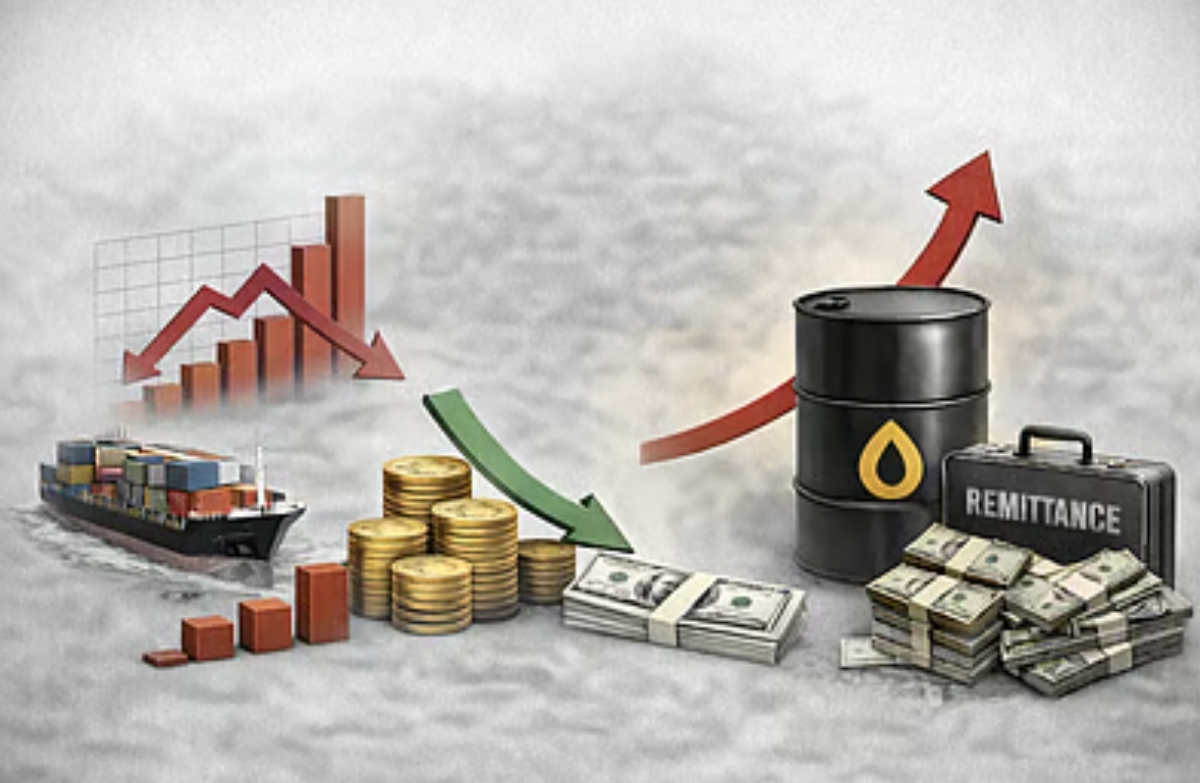
The country’s economy is currently under pressure from multiple directions. Inflation remains high, people’s real incomes are shrinking, and job creation is weak. Investment is also not growing as expected. On top of that, new risks are emerging in the energy and external sectors, making macroeconomic stability harder to maintain.

The new government faces a critical question: which issue should be prioritized first—controlling inflation, creating jobs, fixing the banking sector, or addressing energy challenges?

Key Challenges Facing the Economy

1. Inflation Must Be Controlled First

Inflation has stayed above 8%, while wage growth has lagged behind. This has reduced purchasing power, especially for low-income groups. When people spend less, overall demand falls, which slows production and discourages investment.

2. Employment vs Inflation Dilemma

There is a policy trade-off: reducing unemployment often requires increasing money supply, which can fuel inflation. On the other hand, controlling inflation through higher interest rates can slow investment and increase unemployment. The challenge is to balance both.

3. Stability Before Growth

Economic growth has slowed for three consecutive years. Experts suggest that stabilizing the economy should come first, before focusing on accelerating growth.

4. Rising Poverty

Poverty is increasing again due to falling real incomes. Millions of people are now living below the poverty line, and recent data suggests the situation has worsened since 2022.

5. Inequality is Worsening

Income inequality has grown significantly. A large portion of national income is concentrated among a small percentage of people, while the middle class is shrinking—reducing consumer demand and slowing economic momentum.

6. Growth Without Jobs

Even when GDP grew in the past, it did not create enough jobs. Many young people entering the workforce remain unemployed or are forced into low-productivity sectors.

7. Weak Investment Climate

Private sector investment has declined sharply. Lack of confidence, energy shortages, and policy uncertainty are major barriers.

8. Restoring Investor Confidence

Improving governance, reducing business costs, and ensuring fair competition are essential to attract new investment.

9. Energy Sector Risks

Rising global fuel prices—partly due to geopolitical tensions—are increasing import costs. This could push inflation even higher or increase government subsidy burdens.

10. Interest Rate Policy Pressure

Businesses want lower interest rates, but reducing rates too early could worsen inflation. Policymakers must proceed cautiously.

11. Fiscal Pressure

Government revenues have declined, while spending commitments have increased. Budget deficits are widening, raising concerns about how commitments will be financed.

12. Avoid Printing Money

Excessive borrowing from the central bank (effectively printing money) can increase inflation and destabilize the economy.

13. Banking Sector Reform is Critical

High levels of non-performing loans and weak governance have made banking reform essential for economic recovery.

14. Rising Default Loans

Loan defaults have reached alarming levels, indicating deep structural problems in the financial system.

15. Pressure on Central Bank Leadership

The new central bank governor faces major challenges, including controlling inflation, managing interest rates, and implementing reforms.

Final Outlook

The economy was already facing structural weaknesses, and recent global developments—especially rising energy prices and geopolitical tensions—have intensified the risks.

To avoid a deeper crisis, the government must:

Control inflation

Restore stability

Reform financial institutions

Rebuild investor confidence

Ensure sustainable growth

Ultimately, how effectively these challenges are managed will determine the country’s economic future.

Tag :

Please Share This Post in Your Social Media

Is the economy heading toward a deep crisis?

Update Time : 06:52:54 am, Thursday, 16 April 2026

Is the Economy Heading Toward a Deep Crisis?

The country’s economy is currently under pressure from multiple directions. Inflation remains high, people’s real incomes are shrinking, and job creation is weak. Investment is also not growing as expected. On top of that, new risks are emerging in the energy and external sectors, making macroeconomic stability harder to maintain.

The new government faces a critical question: which issue should be prioritized first—controlling inflation, creating jobs, fixing the banking sector, or addressing energy challenges?

Key Challenges Facing the Economy

1. Inflation Must Be Controlled First

Inflation has stayed above 8%, while wage growth has lagged behind. This has reduced purchasing power, especially for low-income groups. When people spend less, overall demand falls, which slows production and discourages investment.

2. Employment vs Inflation Dilemma

There is a policy trade-off: reducing unemployment often requires increasing money supply, which can fuel inflation. On the other hand, controlling inflation through higher interest rates can slow investment and increase unemployment. The challenge is to balance both.

3. Stability Before Growth

Economic growth has slowed for three consecutive years. Experts suggest that stabilizing the economy should come first, before focusing on accelerating growth.

4. Rising Poverty

Poverty is increasing again due to falling real incomes. Millions of people are now living below the poverty line, and recent data suggests the situation has worsened since 2022.

5. Inequality is Worsening

Income inequality has grown significantly. A large portion of national income is concentrated among a small percentage of people, while the middle class is shrinking—reducing consumer demand and slowing economic momentum.

6. Growth Without Jobs

Even when GDP grew in the past, it did not create enough jobs. Many young people entering the workforce remain unemployed or are forced into low-productivity sectors.

7. Weak Investment Climate

Private sector investment has declined sharply. Lack of confidence, energy shortages, and policy uncertainty are major barriers.

8. Restoring Investor Confidence

Improving governance, reducing business costs, and ensuring fair competition are essential to attract new investment.

9. Energy Sector Risks

Rising global fuel prices—partly due to geopolitical tensions—are increasing import costs. This could push inflation even higher or increase government subsidy burdens.

10. Interest Rate Policy Pressure

Businesses want lower interest rates, but reducing rates too early could worsen inflation. Policymakers must proceed cautiously.

11. Fiscal Pressure

Government revenues have declined, while spending commitments have increased. Budget deficits are widening, raising concerns about how commitments will be financed.

12. Avoid Printing Money

Excessive borrowing from the central bank (effectively printing money) can increase inflation and destabilize the economy.

13. Banking Sector Reform is Critical

High levels of non-performing loans and weak governance have made banking reform essential for economic recovery.

14. Rising Default Loans

Loan defaults have reached alarming levels, indicating deep structural problems in the financial system.

15. Pressure on Central Bank Leadership

The new central bank governor faces major challenges, including controlling inflation, managing interest rates, and implementing reforms.

Final Outlook

The economy was already facing structural weaknesses, and recent global developments—especially rising energy prices and geopolitical tensions—have intensified the risks.

To avoid a deeper crisis, the government must:

Control inflation

Restore stability

Reform financial institutions

Rebuild investor confidence

Ensure sustainable growth

Ultimately, how effectively these challenges are managed will determine the country’s economic future.