Dhaka 8:00 pm, Wednesday, 25 November 2026

RMG Minimum Wage Proposed at Tk17,000 After Board Vote

Reporter Name
  • Update Time : 06:56:18 am, Wednesday, 25 November 2026
  • / 39 Time View

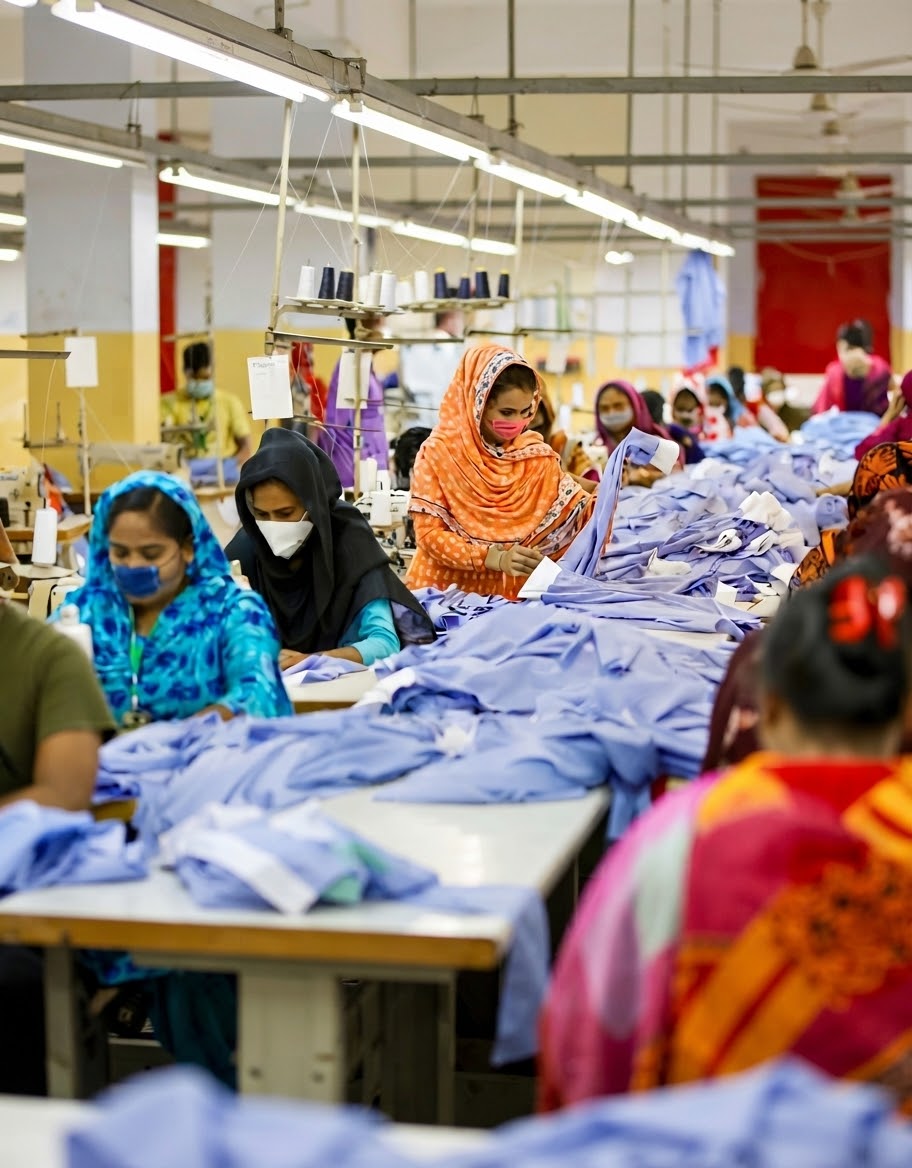
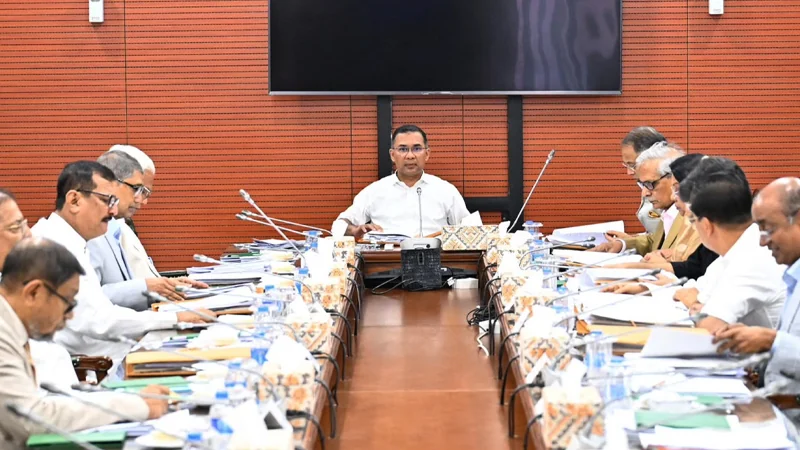
The Minimum Wage Board has finalised a proposed monthly minimum wage of Tk17,000 for ready-made garment (RMG) workers following a vote, with four of its six members supporting the employers’ proposal after nearly 12 hours of discussions early on 25 November.


The proposed rate represents a 36% increase from the existing minimum wage of Tk12,500.


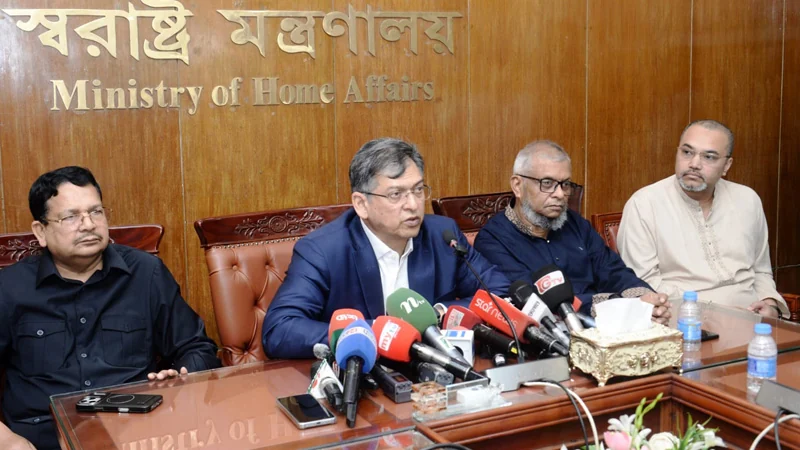
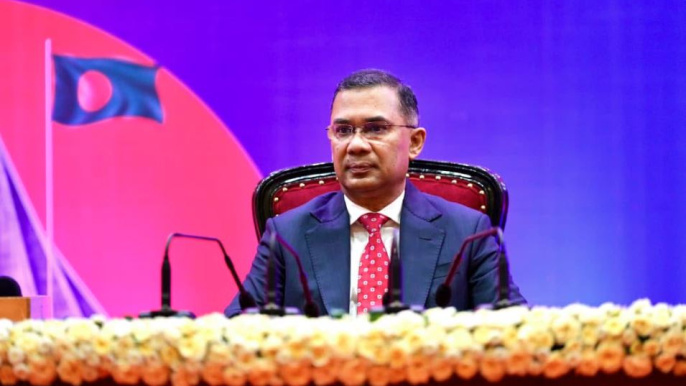
Minimum Wage Board Chairman Syed Azad Subhani announced the decision to journalists after a meeting that ended shortly after 4am on Wednesday.


The workers’ representatives had maintained their demand for a minimum monthly wage of Tk18,000, while employers proposed Tk17,000. In the final vote, four board members supported the employers’ proposal and two opposed it.


Subhani said the revised wages were expected to take effect from December, subject to approval by the Ministry of Labour and Employment. Employers have agreed to implement the new rates from that month.


The ministry will make the final decision and may increase the proposed rates before issuing the official notification.


Proposed wages across four grades


Under the proposed structure, the monthly minimum wage for Grade 1 workers has been set at Tk21,500, an increase of 43% from the existing rate.


Grade 2 workers are proposed to receive Tk20,000, up 40.11%, while the rate for Grade 3 has been set at Tk19,200, an increase of 41.70%.


For Grade 4 workers, including operators, the proposed minimum wage is Tk17,000, representing a 36% rise.


Based on an exchange rate of Tk122 per dollar, the proposed minimum wage is equivalent to around $139 a month, compared with approximately $102 under the current rate.


Workers’ representatives accept decision with reservations


Workers’ representative Babul Akter said they were dissatisfied with the proposed wages but had to accept the board’s decision.


He noted that wages had increased by Tk4,500 over the previous five years, while the latest proposed increase of the same amount had come within three years.


Although he described the increase as significant, Akter said the outcome fell short of workers’ expectations and called for the new rates to be implemented quickly.


He urged workers to return to work and said further demands should be pursued through bilateral discussions.


Akter also called for workers not to face harassment and said the board would appeal to the government to withdraw cases filed against workers and release those who had been arrested.


Responding to questions about protests, he said individuals involved in demonstrations or illegal activities at the instigation of others would have to take responsibility for their actions. The government, he added, would investigate such matters in accordance with the law.


Employers’ representative ABM Shamsuddin described the garment industry as a sensitive sector and said all parties should work to protect it in the interest of the economy.


Protests continue over Tk30,000 demand


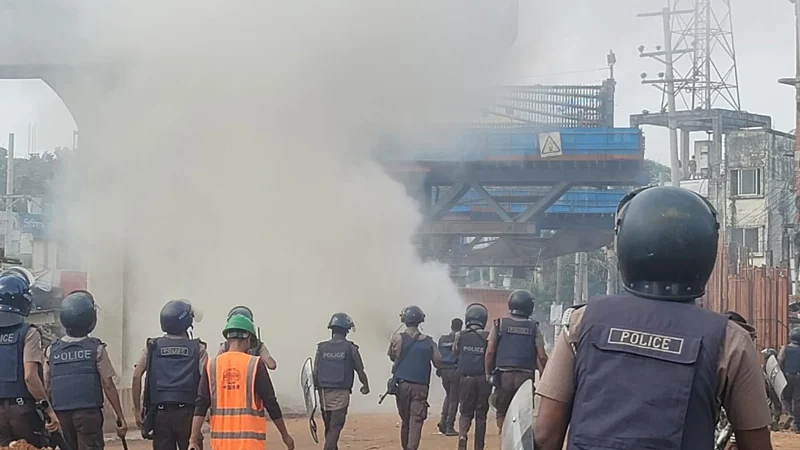
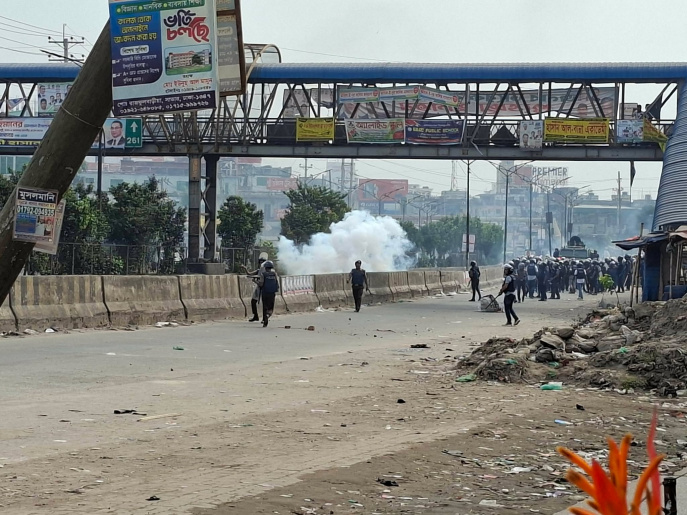
Meanwhile, garment workers continued protesting on 24 November, demanding a minimum monthly wage of Tk30,000. The demonstrations began in October.


According to the Bangladesh Garment Manufacturers and Exporters Association (BGMEA), production remained suspended at 481 factories in Savar, Gazipur, Mirpur and other areas amid the unrest.


More than 100 leaders and activists from several labour organisations, including the Sammilito Garments Sramik Federation and Garments Sramik Sanghati, staged a demonstration and formed a human chain outside the Minimum Wage Board office in Segunbagicha, Dhaka, from midday. They demanded a minimum wage of Tk30,000.


Lowest percentage increase since 1986


The proposed 36% increase is the lowest percentage rise in the RMG sector’s minimum wage since the first wage structure was introduced in 1986.


The minimum wage was initially set at Tk627. It rose by 48.3% to Tk930 in 1994, followed by increases of 79% to Tk1,662.50 in 2006 and 80.5% to Tk3,000 in 2010.


After the Rana Plaza disaster in 2013, amid workers’ protests and international criticism, the minimum wage was raised by 76.7% to Tk5,300. It subsequently increased by 51% to Tk8,000 in 2018 and by 56.25% to Tk12,500 in 2023.


The latest proposal comes three years after the previous revision. The interval for reviewing minimum wages was reduced from five years to three through an amendment to the labour law.


The latest wage board was formed on 1 November and finalised its proposal on 25 November. Subhani said the board had reached its decision in 20 days, describing the process as a record compared with previous wage boards.


He called the decision a historic milestone but declined to explain why negotiations had remained deadlocked for an extended period.
Tag :

Please Share This Post in Your Social Media

RMG Minimum Wage Proposed at Tk17,000 After Board Vote

Update Time : 06:56:18 am, Wednesday, 25 November 2026

The Minimum Wage Board has finalised a proposed monthly minimum wage of Tk17,000 for ready-made garment (RMG) workers following a vote, with four of its six members supporting the employers’ proposal after nearly 12 hours of discussions early on 25 November.


The proposed rate represents a 36% increase from the existing minimum wage of Tk12,500.


Minimum Wage Board Chairman Syed Azad Subhani announced the decision to journalists after a meeting that ended shortly after 4am on Wednesday.


The workers’ representatives had maintained their demand for a minimum monthly wage of Tk18,000, while employers proposed Tk17,000. In the final vote, four board members supported the employers’ proposal and two opposed it.


Subhani said the revised wages were expected to take effect from December, subject to approval by the Ministry of Labour and Employment. Employers have agreed to implement the new rates from that month.


The ministry will make the final decision and may increase the proposed rates before issuing the official notification.


Proposed wages across four grades


Under the proposed structure, the monthly minimum wage for Grade 1 workers has been set at Tk21,500, an increase of 43% from the existing rate.


Grade 2 workers are proposed to receive Tk20,000, up 40.11%, while the rate for Grade 3 has been set at Tk19,200, an increase of 41.70%.


For Grade 4 workers, including operators, the proposed minimum wage is Tk17,000, representing a 36% rise.


Based on an exchange rate of Tk122 per dollar, the proposed minimum wage is equivalent to around $139 a month, compared with approximately $102 under the current rate.


Workers’ representatives accept decision with reservations


Workers’ representative Babul Akter said they were dissatisfied with the proposed wages but had to accept the board’s decision.


He noted that wages had increased by Tk4,500 over the previous five years, while the latest proposed increase of the same amount had come within three years.


Although he described the increase as significant, Akter said the outcome fell short of workers’ expectations and called for the new rates to be implemented quickly.


He urged workers to return to work and said further demands should be pursued through bilateral discussions.


Akter also called for workers not to face harassment and said the board would appeal to the government to withdraw cases filed against workers and release those who had been arrested.


Responding to questions about protests, he said individuals involved in demonstrations or illegal activities at the instigation of others would have to take responsibility for their actions. The government, he added, would investigate such matters in accordance with the law.


Employers’ representative ABM Shamsuddin described the garment industry as a sensitive sector and said all parties should work to protect it in the interest of the economy.


Protests continue over Tk30,000 demand


Meanwhile, garment workers continued protesting on 24 November, demanding a minimum monthly wage of Tk30,000. The demonstrations began in October.


According to the Bangladesh Garment Manufacturers and Exporters Association (BGMEA), production remained suspended at 481 factories in Savar, Gazipur, Mirpur and other areas amid the unrest.


More than 100 leaders and activists from several labour organisations, including the Sammilito Garments Sramik Federation and Garments Sramik Sanghati, staged a demonstration and formed a human chain outside the Minimum Wage Board office in Segunbagicha, Dhaka, from midday. They demanded a minimum wage of Tk30,000.


Lowest percentage increase since 1986


The proposed 36% increase is the lowest percentage rise in the RMG sector’s minimum wage since the first wage structure was introduced in 1986.


The minimum wage was initially set at Tk627. It rose by 48.3% to Tk930 in 1994, followed by increases of 79% to Tk1,662.50 in 2006 and 80.5% to Tk3,000 in 2010.


After the Rana Plaza disaster in 2013, amid workers’ protests and international criticism, the minimum wage was raised by 76.7% to Tk5,300. It subsequently increased by 51% to Tk8,000 in 2018 and by 56.25% to Tk12,500 in 2023.


The latest proposal comes three years after the previous revision. The interval for reviewing minimum wages was reduced from five years to three through an amendment to the labour law.


The latest wage board was formed on 1 November and finalised its proposal on 25 November. Subhani said the board had reached its decision in 20 days, describing the process as a record compared with previous wage boards.


He called the decision a historic milestone but declined to explain why negotiations had remained deadlocked for an extended period.