Fifth Indigenous Food and Grain Fair to Be Held in Dhaka on November 6–7

- Update Time : 07:48:09 am, Monday, 2 November 2026
- / 16 Time View

The two-day Fifth Indigenous Food and Grain Fair 2026 will take place in the capital on November 6 and 7, bringing together traditional foods, agricultural products and cultural performances from indigenous communities across Bangladesh.
The fair will be held at the premises of the Parbatya Bouddha Sangha Complex in Mirpur-13, jointly organised by development organisation Nagorik Uddyog and Indigenous well-wishers.
Organisers said the announcement of stall allocations on Facebook had generated considerable interest among entrepreneurs. Vendors from the hill districts, as well as Mandi, Manipuri, Santal and Rakhine communities from the plains, have already booked stalls. Indigenous women entrepreneurs will receive priority in the stall allocations.
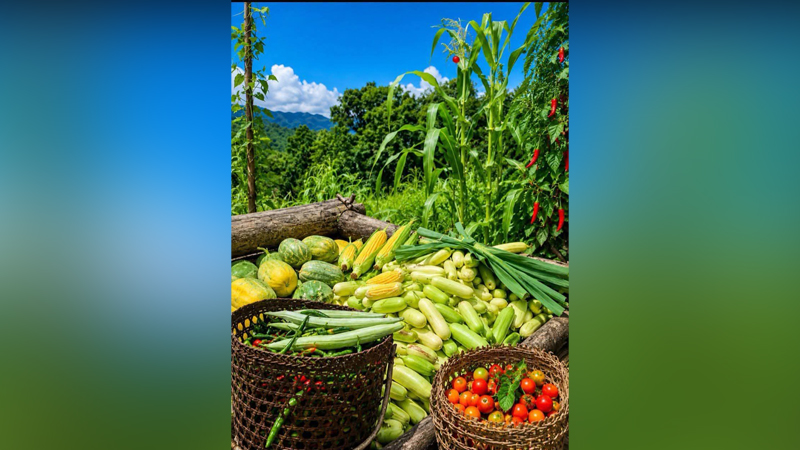
Visitors will be able to sample a wide range of traditional dishes prepared using indigenous cooking methods. Many of the foods are traditionally made without oil or spices. Popular items from the hill regions will include bamboo shoots, various types of hebang cooked in banana leaves, vegetables grown through jhum cultivation and the traditional hill dish pajon.
Entrepreneurs from Manipuri, Garo and Rakhine communities in the plains will also showcase their distinctive cuisines.
Rakhine vendors will bring different varieties of cakes made from black and white sticky rice. The fair will also feature uti, a special lentil-based Manipuri dish, and kheer sangom, prepared with sticky rice and milk. Various types of mundi will also be available, alongside lakso, a spicy preparation made with fresh fruits.
Beyond prepared foods, the fair will offer several varieties of sticky rice, honey from the hill regions, pesticide-free vegetables grown through jhum cultivation, hill bananas, pineapples from Madhupur, papayas and other fresh produce. Dried fish and fish from Kaptai Lake will also be available.
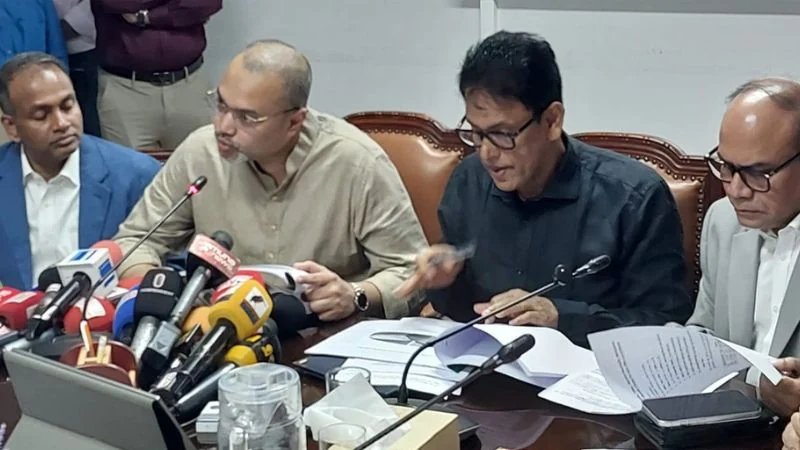
The chief executive of Nagorik Uddyog said the main objective of the fair was to introduce urban residents to the diversity of indigenous jhum cultivation, agricultural products and traditional cuisines. Another key goal is to help indigenous entrepreneurs connect their products with a wider consumer market.
The event has now been organised for five consecutive years and has already attracted considerable interest among residents of the capital, the organiser added.
Main organiser Meinthin Promila said the diverse food traditions of indigenous communities were an important part of Bangladesh’s pluralistic culture. She said the initiative aims to bring indigenous and Bengali food cultures closer together while introducing city residents to pesticide-free agricultural products cultivated through long-standing traditional practices.
The fair will remain open to visitors daily from 10:00am to 9:00pm. Senior journalist and freedom fighter Abu Sayeed Khan will inaugurate the event at 10:00am on November 6.
Both evenings will feature indigenous cultural programmes. Performers will include Bangladesh Idol contestant Mong, hill-region singer Barsha Chakma, Bulu Tanchangya and emerging Garo artist Markus Chisim. Traditional dances from indigenous communities in both the hill districts and the plains will also be presented.
Organisers said visitors can reach the venue in approximately five minutes by rickshaw from Mirpur-10 Metro Rail Station. Scholastica and SOS Children’s Village are located beside the Parbatya Bouddha Sangha Complex, while the BRTA office is situated opposite the venue.