Dhaka 10:18 pm, Sunday, 14 June 2026

Nation in crisis due to govt’s failure in law enforcement: Tarique Rahman

Reporter Name
  • Update Time : 09:55:52 am, Thursday, 27 February 2025
  • / 485 Time View

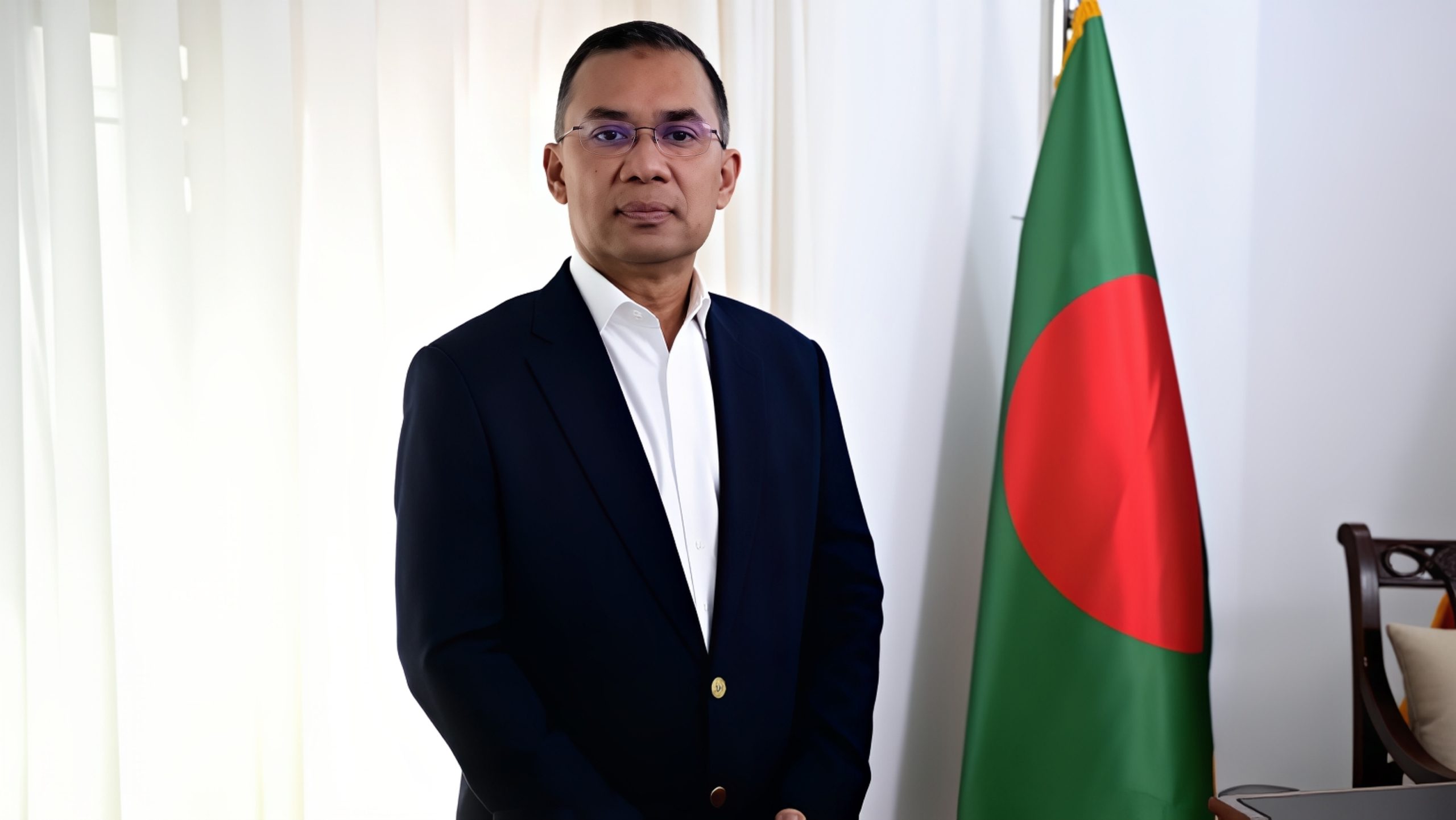
The BNP’s extended meeting began at the LD Hall adjacent to the National Parliament building. Acting Chairman Tarique Rahman joined virtually from London and delivered a speech, highlighting the government’s failure to fully control law and order. He questioned why the interim government was pushing for local elections before the national election, despite failing to stabilize the country’s economic and security situation.


Tarique Rahman emphasized that this meeting marked the first BNP extended session in seven years, recalling the last one in February 2018, presided over by Khaleda Zia. He attributed the inability to hold such meetings to the ruling regime’s authoritarian governance. While Khaleda Zia could not attend due to medical treatment, she sent her best wishes and prayers. Rahman honored BNP founder Ziaur Rahman for establishing democracy in a country overshadowed by one-party rule and acknowledged the sacrifices of party activists who suffered under repression.


He paid tribute to the martyrs of Bangladesh’s Liberation War and the resistance fighters of July-August 2024 against what he called an oppressive regime. Rahman claimed that Sheikh Hasina fled the country following mass uprisings, opening the door for rebuilding Bangladesh. However, he warned of conspiracies to undermine this democratic momentum.


Reflecting on historical political reforms, he cited BNP’s role in introducing multiparty democracy post-1975, constitutional amendments, and parliamentary governance in 1991. He also highlighted BNP-led initiatives such as free education for girls, the Ministry of Liberation War Affairs, the Information Technology Ministry, and the Ministry for Expatriates’ Welfare. He accused subsequent regimes of dismantling these reforms, weakening national security, and ruining the education system.


Rahman criticized past governments for economic collapse, money laundering, and undermining democratic institutions. He mentioned Khaleda Zia’s Vision 2030 and BNP’s 31-point reform agenda, asserting that its goal was a fair, democratic, and economically empowered Bangladesh. He urged the interim government to avoid misleading statements regarding national elections and to prioritize law and order.


Rahman dismissed local elections as an attempt to rehabilitate cronies of the previous regime and vowed BNP would not participate in such a process. He assured that if BNP returned to power, it would prosecute those responsible for human rights violations. Calling for a clear roadmap from the interim government, he emphasized the need for a neutral electoral process and warned that any deviation from impartiality would cast doubt on its legitimacy.


He noted the emergence of 16-17 new political parties since Hasina’s departure, welcoming democratic pluralism while stressing that voters would decide their acceptance through fair elections. Finally, he urged the interim government to uphold neutrality, as public skepticism had already arisen regarding its stance.
 

Please Share This Post in Your Social Media

Nation in crisis due to govt’s failure in law enforcement: Tarique Rahman

Update Time : 09:55:52 am, Thursday, 27 February 2025

The BNP’s extended meeting began at the LD Hall adjacent to the National Parliament building. Acting Chairman Tarique Rahman joined virtually from London and delivered a speech, highlighting the government’s failure to fully control law and order. He questioned why the interim government was pushing for local elections before the national election, despite failing to stabilize the country’s economic and security situation.


Tarique Rahman emphasized that this meeting marked the first BNP extended session in seven years, recalling the last one in February 2018, presided over by Khaleda Zia. He attributed the inability to hold such meetings to the ruling regime’s authoritarian governance. While Khaleda Zia could not attend due to medical treatment, she sent her best wishes and prayers. Rahman honored BNP founder Ziaur Rahman for establishing democracy in a country overshadowed by one-party rule and acknowledged the sacrifices of party activists who suffered under repression.


He paid tribute to the martyrs of Bangladesh’s Liberation War and the resistance fighters of July-August 2024 against what he called an oppressive regime. Rahman claimed that Sheikh Hasina fled the country following mass uprisings, opening the door for rebuilding Bangladesh. However, he warned of conspiracies to undermine this democratic momentum.


Reflecting on historical political reforms, he cited BNP’s role in introducing multiparty democracy post-1975, constitutional amendments, and parliamentary governance in 1991. He also highlighted BNP-led initiatives such as free education for girls, the Ministry of Liberation War Affairs, the Information Technology Ministry, and the Ministry for Expatriates’ Welfare. He accused subsequent regimes of dismantling these reforms, weakening national security, and ruining the education system.


Rahman criticized past governments for economic collapse, money laundering, and undermining democratic institutions. He mentioned Khaleda Zia’s Vision 2030 and BNP’s 31-point reform agenda, asserting that its goal was a fair, democratic, and economically empowered Bangladesh. He urged the interim government to avoid misleading statements regarding national elections and to prioritize law and order.


Rahman dismissed local elections as an attempt to rehabilitate cronies of the previous regime and vowed BNP would not participate in such a process. He assured that if BNP returned to power, it would prosecute those responsible for human rights violations. Calling for a clear roadmap from the interim government, he emphasized the need for a neutral electoral process and warned that any deviation from impartiality would cast doubt on its legitimacy.


He noted the emergence of 16-17 new political parties since Hasina’s departure, welcoming democratic pluralism while stressing that voters would decide their acceptance through fair elections. Finally, he urged the interim government to uphold neutrality, as public skepticism had already arisen regarding its stance.