Dhaka 8:23 am, Sunday, 19 April 2026

Consensus Reached on 19 Key Issues in Second Round of Talks: Ali Riaz

Niloy Mridha
  • Update Time : 08:08:46 pm, Thursday, 31 July 2025
  • / 480 Time View
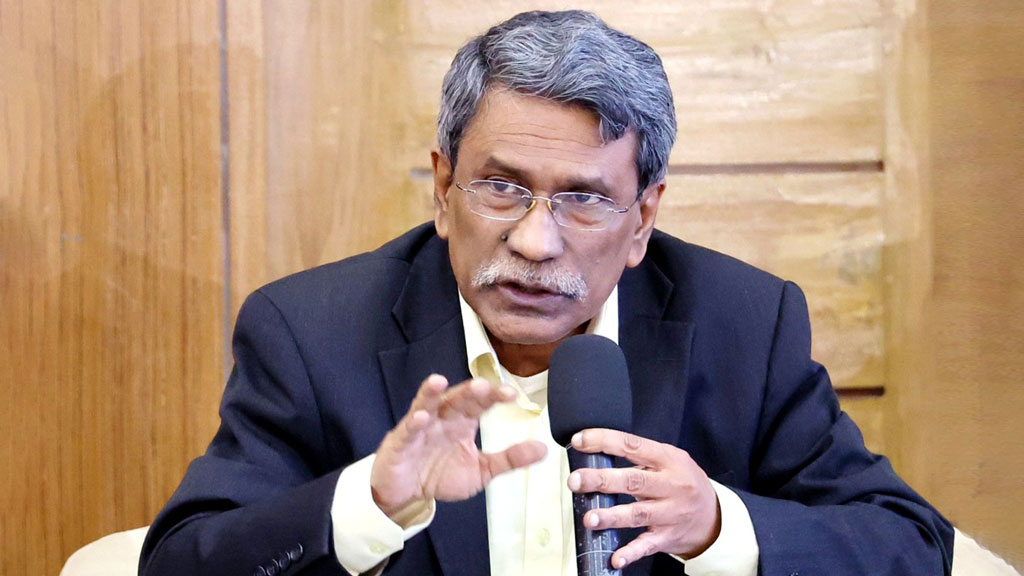
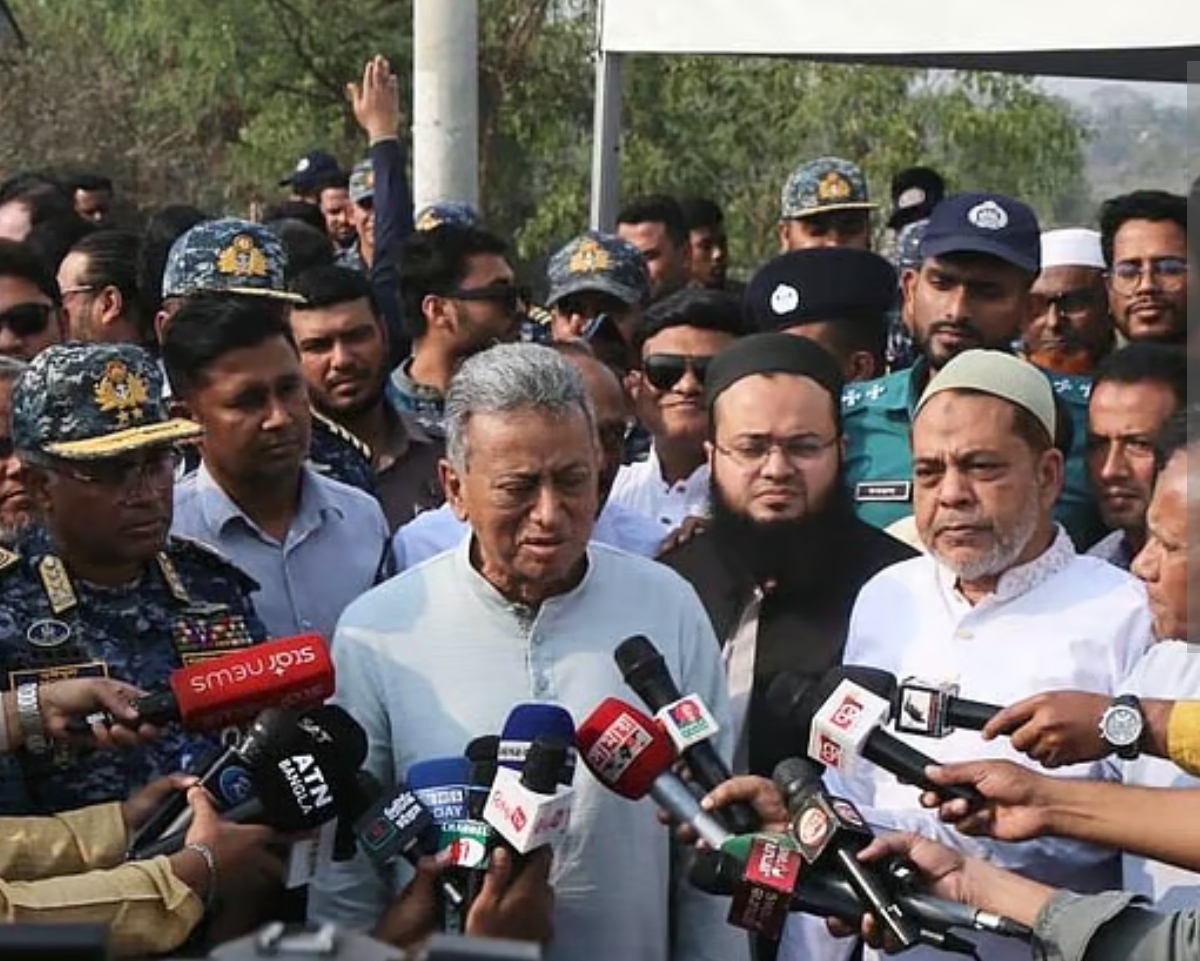
  1. Vice Chairman of the National Consensus Commission, Professor Dr. Ali Riaz, stated that political party representatives have reached an understanding on 19 significant reform issues. He made the announcement during a press briefing following the final day of the second phase of discussions on Thursday (July 31).

The 19 key issues include: Article 70 of the Constitution, chairmanship of parliamentary standing committees, redrawing of electoral boundaries, the President’s authority to grant pardons, decentralization of the judiciary, declaration of a state of emergency, appointment of the Chief Justice, constitutional amendments, holding multiple executive posts by the Prime Minister, the Election Commission, Public Service Commission, Anti-Corruption Commission, Comptroller and Auditor General and Ombudsman appointments, the Prime Minister’s term limit, women’s representation in Parliament, formation of a bicameral legislature (particularly the upper house), election procedures and jurisdiction of its members, method of electing the President, the electoral college, powers and responsibilities of the President, the caretaker government, and expansion of fundamental rights and state governance principles.

Dr. Riaz noted that the commission has engaged in 23 days of direct talks with political parties. Prior to this, a preliminary phase of dialogue was held over two months with more than 30 parties, both individually and in alliances. From the commission’s original 166 recommendations, 19 core issues were selected for focused consensus-building—excluding those where prior agreement already existed.

He added that broad consensus was achieved on most of these 19 reform areas, though a few dissenting opinions (noted as “notes of dissent”) were recorded.

For example, regarding Article 70 of the Constitution—particularly concerning money bills and confidence votes—the BNP submitted a note of dissent. On decentralization of the judiciary and Supreme Court, BNP proposed involving the higher judiciary in the discussions. The issue of holding multiple posts by the Prime Minister also drew dissent from BNP and several other parties.

Regarding institutional appointments, parties like the BNP, Nationalist Unity Alliance, the 12-Party Alliance, NDM, and the People’s Voice suggested legal amendments instead of direct provisions for appointing officials to bodies such as the Public Service Commission, Anti-Corruption Commission, Comptroller and Auditor General, and Ombudsman.

The topic that saw the most disagreement was women’s representation in Parliament. While most parties supported gradually increasing the number to 100, opinions varied on the method—some advocated direct elections, while others preferred proportional representation. The Socialist Party of Bangladesh opposed the proposed increase.

Dr. Riaz stated that proposals were presented daily during the discussion process, and several key issues were addressed in the final round. A detailed summary will be shared soon.

Despite differing views, the talks maintained a cordial tone and a strong willingness among parties to build consensus. Dr. Riaz confirmed that the discussions were successfully concluded by the July 31 deadline. The full draft of the National Charter will be finalized and shared with the political parties in the coming days.

Tag :

Please Share This Post in Your Social Media

Consensus Reached on 19 Key Issues in Second Round of Talks: Ali Riaz

Update Time : 08:08:46 pm, Thursday, 31 July 2025
  1. Vice Chairman of the National Consensus Commission, Professor Dr. Ali Riaz, stated that political party representatives have reached an understanding on 19 significant reform issues. He made the announcement during a press briefing following the final day of the second phase of discussions on Thursday (July 31).

The 19 key issues include: Article 70 of the Constitution, chairmanship of parliamentary standing committees, redrawing of electoral boundaries, the President’s authority to grant pardons, decentralization of the judiciary, declaration of a state of emergency, appointment of the Chief Justice, constitutional amendments, holding multiple executive posts by the Prime Minister, the Election Commission, Public Service Commission, Anti-Corruption Commission, Comptroller and Auditor General and Ombudsman appointments, the Prime Minister’s term limit, women’s representation in Parliament, formation of a bicameral legislature (particularly the upper house), election procedures and jurisdiction of its members, method of electing the President, the electoral college, powers and responsibilities of the President, the caretaker government, and expansion of fundamental rights and state governance principles.

Dr. Riaz noted that the commission has engaged in 23 days of direct talks with political parties. Prior to this, a preliminary phase of dialogue was held over two months with more than 30 parties, both individually and in alliances. From the commission’s original 166 recommendations, 19 core issues were selected for focused consensus-building—excluding those where prior agreement already existed.

He added that broad consensus was achieved on most of these 19 reform areas, though a few dissenting opinions (noted as “notes of dissent”) were recorded.

For example, regarding Article 70 of the Constitution—particularly concerning money bills and confidence votes—the BNP submitted a note of dissent. On decentralization of the judiciary and Supreme Court, BNP proposed involving the higher judiciary in the discussions. The issue of holding multiple posts by the Prime Minister also drew dissent from BNP and several other parties.

Regarding institutional appointments, parties like the BNP, Nationalist Unity Alliance, the 12-Party Alliance, NDM, and the People’s Voice suggested legal amendments instead of direct provisions for appointing officials to bodies such as the Public Service Commission, Anti-Corruption Commission, Comptroller and Auditor General, and Ombudsman.

The topic that saw the most disagreement was women’s representation in Parliament. While most parties supported gradually increasing the number to 100, opinions varied on the method—some advocated direct elections, while others preferred proportional representation. The Socialist Party of Bangladesh opposed the proposed increase.

Dr. Riaz stated that proposals were presented daily during the discussion process, and several key issues were addressed in the final round. A detailed summary will be shared soon.

Despite differing views, the talks maintained a cordial tone and a strong willingness among parties to build consensus. Dr. Riaz confirmed that the discussions were successfully concluded by the July 31 deadline. The full draft of the National Charter will be finalized and shared with the political parties in the coming days.