Coordinators of Anti-Discrimination Student Movement Released After 32-Hour Hunger Strike at DB Office

- Update Time : 12:26:06 pm, Friday, 1 August 2025
- / 535 Time View

Six frontline coordinators of the anti-discrimination student movement were reportedly held for several days at the Detective Branch (DB) office in Dhaka under the pretext of “security.” During their detention, they began a hunger strike. After 32 hours of refusing food, they were finally released on August 1, 2024, and dropped off at their respective addresses in two black vehicles.
Among the detainees, Nahid Islam, Asif Mahmud Sajib Bhuiyan, and Abu Bakr Mojumder were held for six days. Sarjis Alam and Hasnat Abdullah were detained for five, and Nusrat Tabassum for four. These six individuals now hold prominent positions: Nahid serves as the convenor of the National Citizens’ Party (NCP), Asif is an adviser to the interim government, and Sarjis, Hasnat, and Nusrat are key leaders within the NCP. Abu Bakr now leads the Democratic Student Council.
Speaking to Prothom Alo over the phone, Abu Bakr recounted the day of their release:
“I had shared the location of my sister’s home with the DB. On August 1, they dropped us off at our respective destinations. Shortly after arriving, I contacted Asif Bhai, and we met at a location in Maniknagar. We tried to assess the situation and discussed how to move forward toward a one-point demand—resignation of the government.”
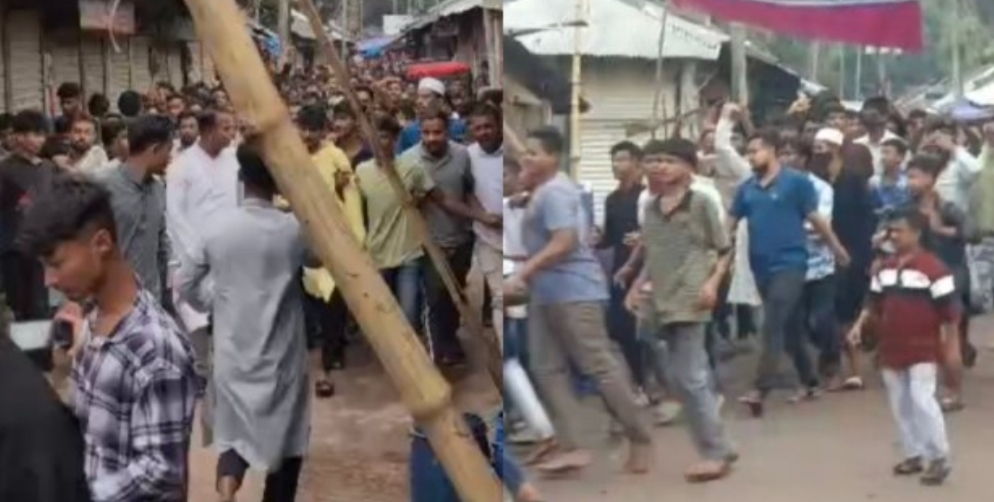
That same day, the student movement organized nationwide protests titled “Remembering Our Heroes,” honoring those killed in earlier demonstrations. Events included protest songs, street theatre, mural painting, and rallies held in at least 16 districts and major cities. In several locations, university teachers and legal professionals also participated. However, in some places, law enforcement attempted to disrupt the events, leading to scuffles and even detentions of student protesters.
Protests and Demonstrations Across the Country
On university campuses—including Dhaka University, Jahangirnagar University, and Barisal University—faculty members hosted rallies and human chains. Roads and highways were also blocked by students and members of the public.
At 11 AM, under heavy rain, artists and performers gathered at Indira Road near Manik Mia Avenue for a protest organized under the banner Visual Media Artists’ Collective. Despite the downpour, they attempted to march toward the National Parliament but were blocked by police. Instead, they rerouted and assembled near Farmgate’s Ananda Cinema Hall. Holding banners and chanting slogans in the rain, artists and filmmakers condemned the brutal crackdown on student protests.
They voiced strong support for the student movement’s nine-point charter and demanded justice for those killed, an end to mass arrests, and withdrawal of harassment cases. The artists declared they would continue their protest efforts until accountability was ensured.
Civic Demonstration in Dhaka
Later that afternoon, members of civil society gathered outside the DB office under the banner Outraged Citizen Forum. Economist Debapriya Bhattacharya stated that the indiscriminate killings, including that of children, must be investigated under the oversight of the United Nations.
Dhaka University professor Asif Nazrul, now an adviser in the interim government, said, “There must be justice for the killings. Those who gave the orders must also be held accountable.”
Diplomatic Briefings and Political Bans
On the same day, the then-Awami League-led government issued an official ban on Jamaat-e-Islami and its student wing, Islami Chhatra Shibir. That afternoon, state officials briefed diplomats—including representatives from the United Nations and European Union—at the State Guest House Padma.
In that briefing, foreign diplomats expressed concern over the violence, casualties, and damage to property, and called for an independent and credible investigation.