Dhaka 5:21 am, Monday, 20 April 2026

Hasina Gave ‘No Treatment, No Release’ Order, Witness Tells Tribunal

Niloy Mridha
  • Update Time : 04:05:52 pm, Monday, 4 August 2025
  • / 446 Time View

Abdullah Al Imran, a student injured during the July Uprising last year, has testified that former Prime Minister Sheikh Hasina issued a direct order denying medical treatment and discharge to wounded protesters.

Testifying on Monday before International Crimes Tribunal-1 as the second witness in an ongoing case involving alleged crimes against humanity, Imran named Sheikh Hasina, former Home Minister Asaduzzaman Khan Kamal, and former Inspector General of Police Chowdhury Abdullah Al-Mamun as responsible for actions leading to deliberate medical neglect.

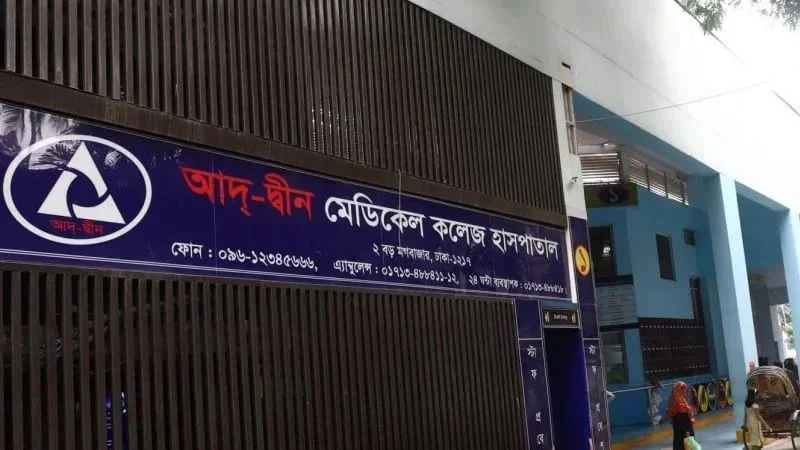
According to Imran’s account, he was shot below the knee on July 19, 2024, during clashes in the capital’s Bijoynagar Water Tank area. He was later admitted to the National Institute of Traumatology and Orthopaedic Rehabilitation (Pangu Hospital) in Agargaon.

He told the court that on the morning of either July 26 or 27, Sheikh Hasina, then still in office, visited the hospital. She approached his bedside and briefly conversed with him. Imran said she asked about his education and accommodation, addressing him in a casual tone.

“At one point,” Imran said, “she seemed to realize I was among the protesters. She asked if the police had shot me. I said yes, though I couldn’t confirm who exactly fired.”

Before leaving the hospital, Imran testified, Hasina approached the front desk and gave a chilling order: “No treatment, no release.” He claimed he heard the words clearly.

“At the time, I didn’t understand what she meant,” he said. “But later, as my surgery was postponed, we were denied the chance to buy essential medicine even from outside, and my father was unable to discharge me—I began to understand. They intended to amputate my leg and move me straight to prison.”

Imran directly accused Hasina, Khan Kamal, and Abdullah Al-Mamun of orchestrating the denial of critical care to detained or injured demonstrators.

Background of the Case

The case being heard by ICT-1 centers on alleged crimes against humanity committed during the July-August 2024 mass uprising, led primarily by students and civil society.

The first witness, Khokon Chandra Barman, a microbus driver, testified on Sunday. He suffered severe disfigurement after being shot in the face during the protests.

The trial formally opened on Sunday, following completion of procedural steps such as public notices, appointment of state defense lawyers, and framing of charges.

Of the three accused, only former police chief Chowdhury Abdullah Al-Mamun is in custody. He has confessed and is now cooperating with the prosecution as a state witness. Both Sheikh Hasina and Asaduzzaman Khan remain fugitives. Efforts to compel their appearance have included newspaper notices and court summons.

Portions of the opening proceedings have been televised on state media, marking a rare moment of live coverage for the tribunal.

Tag :

Please Share This Post in Your Social Media

Hasina Gave ‘No Treatment, No Release’ Order, Witness Tells Tribunal

Update Time : 04:05:52 pm, Monday, 4 August 2025

Abdullah Al Imran, a student injured during the July Uprising last year, has testified that former Prime Minister Sheikh Hasina issued a direct order denying medical treatment and discharge to wounded protesters.

Testifying on Monday before International Crimes Tribunal-1 as the second witness in an ongoing case involving alleged crimes against humanity, Imran named Sheikh Hasina, former Home Minister Asaduzzaman Khan Kamal, and former Inspector General of Police Chowdhury Abdullah Al-Mamun as responsible for actions leading to deliberate medical neglect.

According to Imran’s account, he was shot below the knee on July 19, 2024, during clashes in the capital’s Bijoynagar Water Tank area. He was later admitted to the National Institute of Traumatology and Orthopaedic Rehabilitation (Pangu Hospital) in Agargaon.

He told the court that on the morning of either July 26 or 27, Sheikh Hasina, then still in office, visited the hospital. She approached his bedside and briefly conversed with him. Imran said she asked about his education and accommodation, addressing him in a casual tone.

“At one point,” Imran said, “she seemed to realize I was among the protesters. She asked if the police had shot me. I said yes, though I couldn’t confirm who exactly fired.”

Before leaving the hospital, Imran testified, Hasina approached the front desk and gave a chilling order: “No treatment, no release.” He claimed he heard the words clearly.

“At the time, I didn’t understand what she meant,” he said. “But later, as my surgery was postponed, we were denied the chance to buy essential medicine even from outside, and my father was unable to discharge me—I began to understand. They intended to amputate my leg and move me straight to prison.”

Imran directly accused Hasina, Khan Kamal, and Abdullah Al-Mamun of orchestrating the denial of critical care to detained or injured demonstrators.

Background of the Case

The case being heard by ICT-1 centers on alleged crimes against humanity committed during the July-August 2024 mass uprising, led primarily by students and civil society.

The first witness, Khokon Chandra Barman, a microbus driver, testified on Sunday. He suffered severe disfigurement after being shot in the face during the protests.

The trial formally opened on Sunday, following completion of procedural steps such as public notices, appointment of state defense lawyers, and framing of charges.

Of the three accused, only former police chief Chowdhury Abdullah Al-Mamun is in custody. He has confessed and is now cooperating with the prosecution as a state witness. Both Sheikh Hasina and Asaduzzaman Khan remain fugitives. Efforts to compel their appearance have included newspaper notices and court summons.

Portions of the opening proceedings have been televised on state media, marking a rare moment of live coverage for the tribunal.